
Building Inspections in Little Wobby, Central Coast

Common issues in Little Wobby
Little Wobby and surrounding suburbs
Tiles © Esri · Esri, HERE, Garmin, © OpenStreetMap contributors, and the GIS user community
Questions we hear about Little Wobby
Is Little Wobby a normal suburb to buy in?
Not really, and it is better to say so. It is a narrow strip of about twenty dwellings on the north bank of the Hawkesbury opposite Dangar Island, with no roads at all, and most of the homes are used as holiday houses. Anyone buying here is buying a boat-access property, and that shapes everything from insurance to the cost of a repair. The census publishes only limited information for the locality because the population is so small.
Little Wobby has no town water or sewer. What does an inspection cover then?
Services come first. Homes here run on rainwater tanks and on-site wastewater with no reticulated backup, so tank condition, the collection and pump arrangement, and the state of the effluent system matter more than they would in a suburb. Our inspectors record what is visible and describe the condition of each element. Where a septic or absorption trench system is still in service, a dedicated wastewater report from a specialist is worth arranging before you exchange rather than after.
How does boat-only access at Little Wobby affect repairs?
Everything arrives by water. Materials come in by barge, there is no vehicle plant on site, and trades charge for the mobilisation, so the same repair costs more here than it does across the river. Jetties, ramps and slipways are part of the asset too, and marine timber and metal age quickly in tidal water. Their condition is worth knowing before you settle, because replacing a landing is a significant job in its own right.
How do you actually get to the property to inspect it?
By water, the same as everyone else, and it needs organising in advance. Tell us when you book who holds the key, whether there is a usable jetty or landing, and what the tide is doing on the day you want us there, because foot access to some of this shoreline depends on it. We would rather plan the visit properly than turn up and find we cannot land. Call us and we will work the logistics out with you.
Some of the houses started life as military buildings. Does that complicate things?
It makes them more interesting than a standard cottage. Wartime artillery battery buildings stand along parts of this shoreline, and two of them were converted into residences after the war. A converted structure of that kind raises questions a project home never does: what the original walls and roof are made of, how services were run in, whether later additions are tied properly into the original, and how the whole thing is drained. The report describes what it finds rather than assuming a template.
What about the escarpment behind the Little Wobby houses?
It is part of the site whether the title says so or not. Steep bushland rises straight into national park behind this strip, which means stormwater run-on arriving at the back of the house, debris in gutters and valleys, and in places a rockfall question. The land is also mapped as bushfire prone, with Category 1 vegetation, so the Section 10.7 certificate is worth reading. Our inspectors report the visible condition of drainage, retaining and roof plumbing at the rear.
More areas near Little Wobby
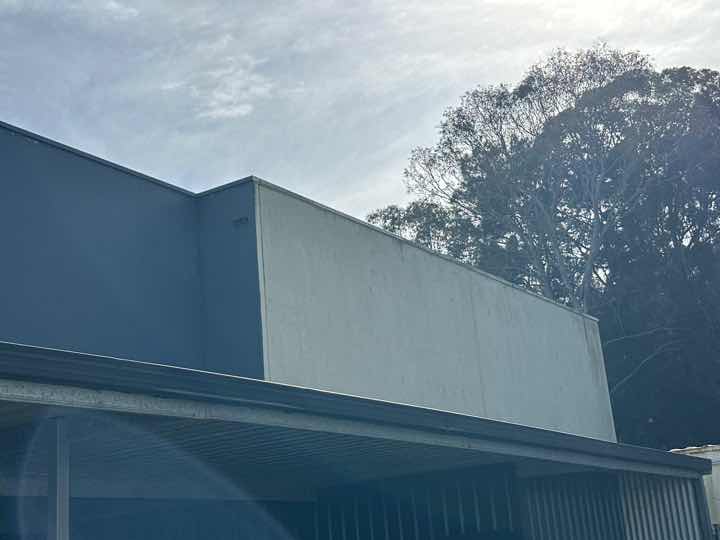
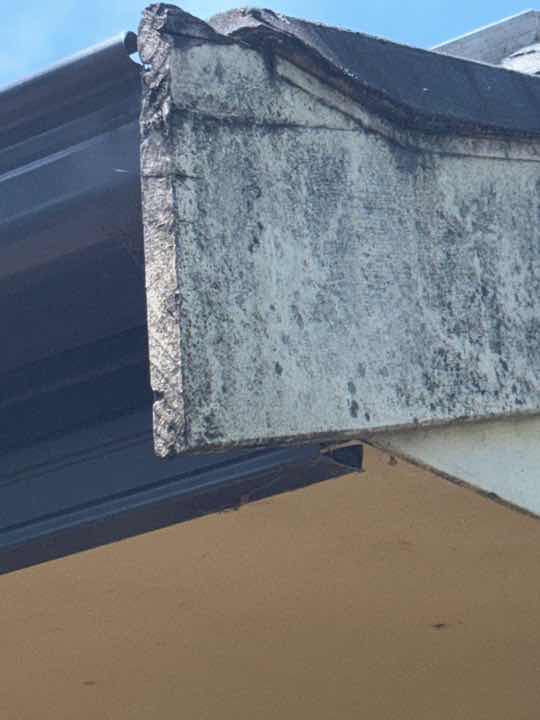
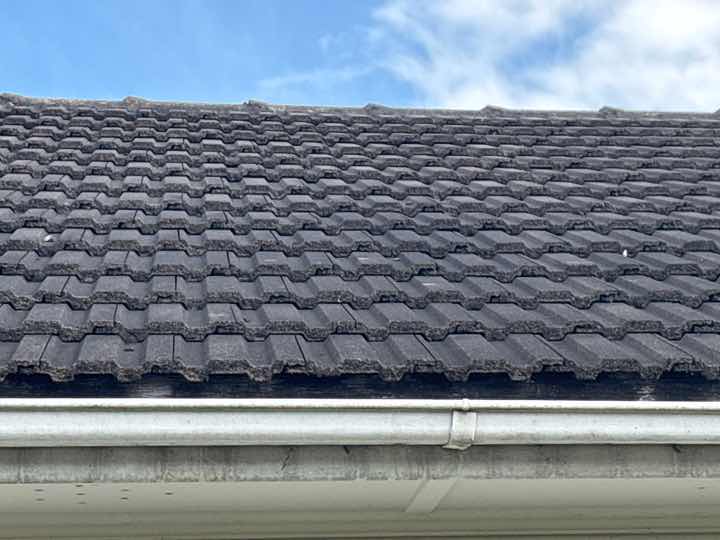
Real defects our inspectors have flagged
Built to last. Inspected to be SURE.
One inspection, twelve months of advice, and the same person on the other end of the phone every time you call. That is the part you do not see on the brochure.
9,237 inspections · 242,618 defects found · Inspector-owned franchises