
Plate High Inspection (Double Brick)
Brickwork verified to plate height, flashings, weep holes, lintels, roof straps, wall cavity and mortar joints assessed to AS 4773.2.
- Same-day report (subject to access and availability)
- Upfront pricing
- 12 months free advice

What's in your plate high inspection
Included
- Flashings, installation, laps, integration with window and door frames
- Weep holes, position, spacing, condition
- Lintels, size, bearing, installation
- Roof straps, installation and connection
- Brick ties, spacing and installation
- Wall cavity, width, cleanliness, mortar droppings
- Cracking assessment, location, width, pattern
- Levels and dimensional compliance to approved plans
- Mortar joints, consistency, fill, tooling
- Door frames, plumb, square, position
- Slab cracking, any new cracking at base of walls
- Compliance assessment to AS 4773.2-2015
- Same-day written report with photo evidence
Not included
- Roof frame inspection (separate service)
- Internal fit-out or plasterboard
- Engineering certification

Our inspectors document every accessible element on site with photo evidence and severity ratings.
Real defects our inspectors have flagged
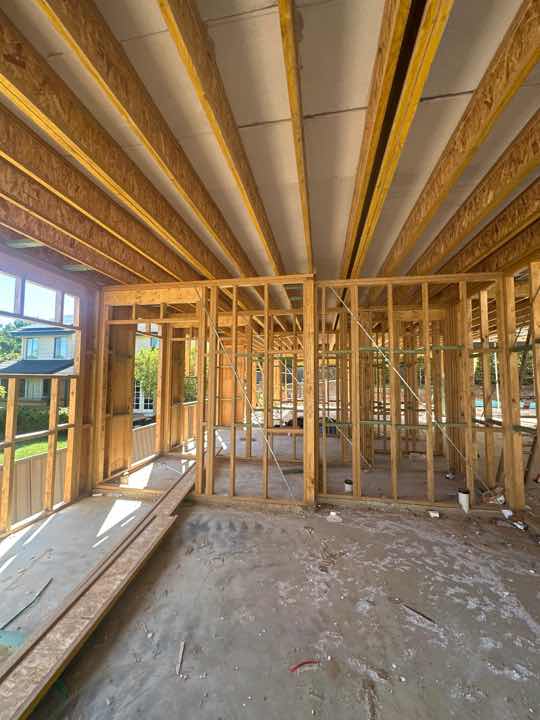
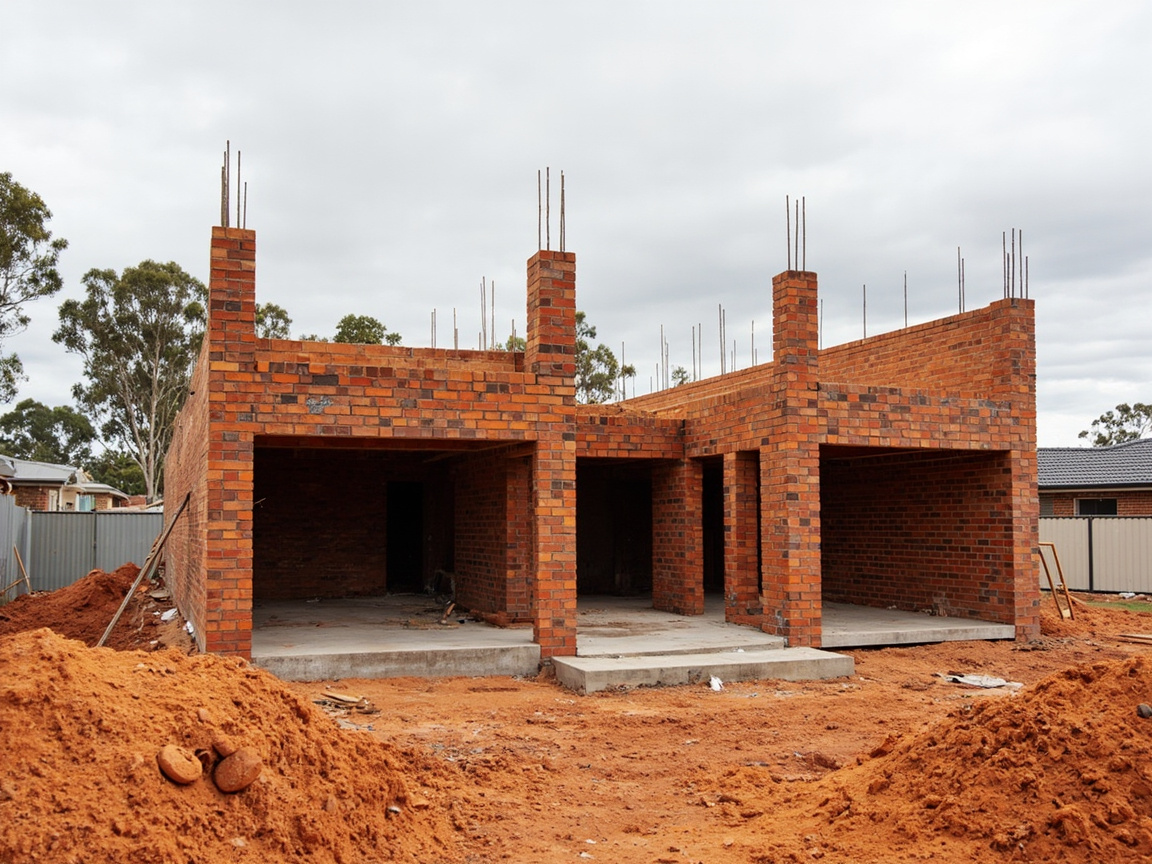
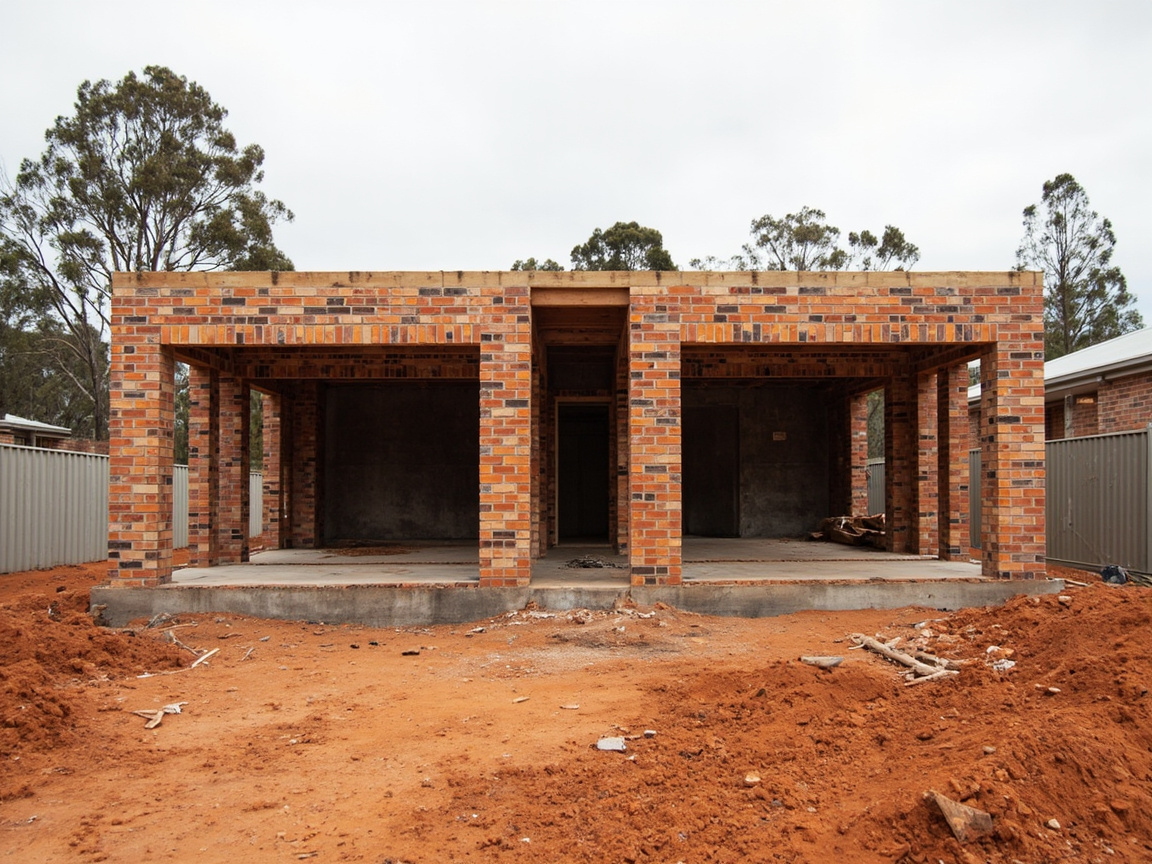
Why you might need this
- Double brick residential construction approaching plate height, before roof framing begins
- Builder's client wanting independent verification of brickwork quality
- Owner-builder requiring documented compliance at this stage
- Construction loan requiring a milestone inspection at this stage
- Dispute prevention, documented brickwork condition before the roof frame is installed
Stage pricing is confirmed at booking. The fee depends on the build stage, site access, and inspection scope. Use the guide price in the header as a starting point, then book online to confirm your quote.
The build sequence
Where this inspection sits in the build
Every stage inspection has a right moment. Here is the full sequence, with this inspection highlighted and when to book each of the others.
Stage 4 of 8 This inspection
Plate High Inspection
Once the brick walls are completed
- When to book
- Book when the brick walls top out, before the roof trusses arrive on site.
- Why it matters
- Wall plumbness, plate level and tie-downs are out of reach once the roof frame goes on.
View full 8-stage build sequence
-
- When to book
- Book as soon as your builder confirms the pour date. We inspect one to two days before the trucks arrive.
- Why it matters
- Once concrete is poured, the formwork, footings and reinforcement can never be checked again.
-
- When to book
- Book once the pour date is locked in. One visit covers the pre-pour check and the pour itself.
- Why it matters
- The one chance to check the slab while it is being placed, not after it has set.
-
- When to book
- Book for two or more days after the pour, before your builder starts framing or brickwork.
- Why it matters
- Once the walls go up, nobody can check the slab set-out or catch early cracking.
-
Stage 4 of 8 This inspection
Plate High Inspection
Once the brick walls are completed
- When to book
- Book when the brick walls top out, before the roof trusses arrive on site.
- Why it matters
- Wall plumbness, plate level and tie-downs are out of reach once the roof frame goes on.
-
- When to book
- Book once the roof frame is up, before the roof cover goes on.
- Why it matters
- Truss fixing and roof bracing get sealed under the roof cover for the life of the house.
-
- When to book
- Book as soon as your builder gives you the PCI date and time.
- Why it matters
- Defects documented at PCI are contract corrections. Miss them and they turn into warranty disputes.
-
- When to book
- Book once the builder confirms the PCI defect repairs are finished.
- Why it matters
- Independent confirmation that every PCI item was actually fixed before you accept the keys.
-
- When to book
- Book in good time before your warranty period closes. Your builder or contract sets the exact window.
- Why it matters
- The last window to put settling and movement defects back on the builder before the warranty closes.
The process
- 1
Book when brickwork reaches plate height
Schedule the inspection when brickwork is complete to plate height but before the roof frame is installed.
- 2
Inspector assesses all brickwork elements
Your SURE inspector covers all items listed in the scope against AS 4773.2 and the approved plans, typically 1.5–2.5 hours depending on home size.
- 3
Same-day report delivered
A detailed report with photos and defect locations is delivered the same day.
- 4
12 months free advice
Your inspector is available for questions about findings or remediation options during the free advice period.
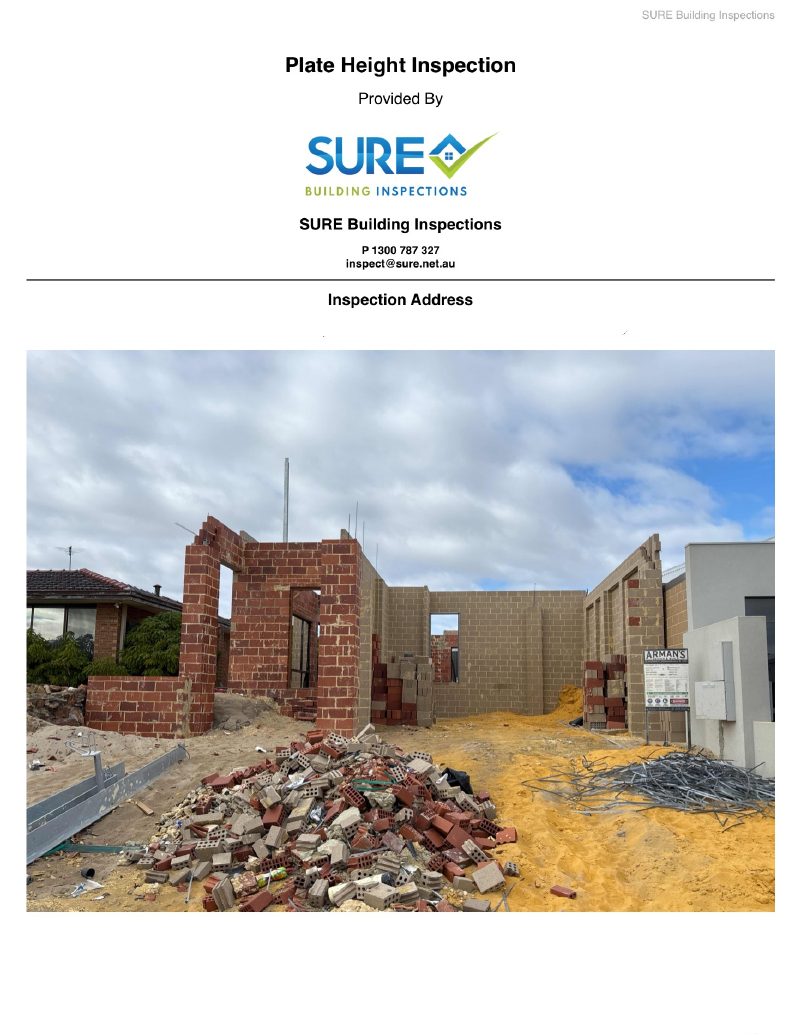
See exactly what you get before you book
Our plate high inspection (double brick) report includes annotated photos, severity ratings, AS 4349 references and actionable remediation advice. Written in plain language so you can act on it the day you receive it.
- Photo evidence per finding
- Severity rated: critical, moderate, cosmetic
- Australian Standards cross-referenced
- Remediation guidance you can quote
What our plate high inspections commonly find
Our DefectIndex documents inspection findings across Perth and Sydney. Browse the defect categories most relevant to this type of inspection.
About a plate high inspection
The Plate High Inspection verifies the compliance of brickwork installation in double brick (cavity brick) construction at the point where the walls reach the top plate, in accordance with AS 4773.2-2015 (Masonry in Small Buildings).
The Plate High Inspection is the double brick equivalent of the Frame Inspection. Both cover the same point in the build sequence (walls complete, before the roof cover is installed) but apply to different construction types. Plate High is for double brick (cavity brick) builds; Frame Inspection is for brick veneer and timber frame.
This inspection is for double brick (cavity brick) construction only. For brick veneer or timber frame construction, book the Frame Inspection instead.
When to book
Book when brickwork is complete to plate height, before the roof frame is installed.
- The top of the wall cavity is only open at this stage
- Weep holes, flashings, and brick ties are accessible for inspection and rectification
- Mortar droppings can be cleared from the cavity without demolition work
- Once the roof frame is set, getting back into the cavity from above means removing the roof
The inspection must be completed before the roof frame is installed. This is the only point in the build where the top of the wall cavity is open and every element of the brickwork (wall ties, flashings, weep holes, lintels, cavity cleanliness) can be assessed and remediated without demolition.
Why this inspection matters
Double brick construction is unique in that the wall cavity is a closed system once the roof frame is set. Mortar droppings and debris in the cavity block weep holes and trap moisture, the cause of the rising damp and salt efflorescence that appear years later and are often attributed to “ground moisture” rather than build-stage deficiencies. Brick ties at non-compliant spacing, and flashings that terminate short of the required overlap, cannot be corrected after the fact without demolishing sections of wall.
AS 4773.2 requires weep holes at specific maximum spacings and flashing laps of defined minimums. These are dimensions an inspector can measure at this stage in minutes. After the roof frame is down and tiled, verifying them requires removing the roof, stripping sarking, and accessing the top of the cavity from above, work that costs tens of thousands of dollars. The plate high stage is the only cost-effective point at which these checks can be made.
You might also need
Before you book
What is a Plate High Inspection?
It is conducted once the brickwork is complete on a new build — at the point where the walls reach the top plate (wall plate) for the roof frame. This is the key quality gate for double brick construction before the roof frame is installed.
At what stage should a Plate High Inspection be done?
Once the brickwork is complete and before the roof goes on. This is the only point where the top of the wall cavity is open and every element of the brickwork can be assessed.
Do I need one?
Yes — it confirms your build matches the approved plans and complies with the Building Code of Australia and the relevant Australian Standards, before the roof frame conceals the work.
What does the inspection include?
Flashings and weep holes, mortar joints and masonry appearance, lintels, roof straps, wall ties, structural columns, internal dimensions, cracking in masonry, the wall cavity, level and plumb, and — where applicable — sub-floor construction and wall cladding.
Why does double brick have a different inspection from brick veneer?
Double brick (cavity brick) construction is governed by AS 4773.2, which has different requirements for wall cavity, ties, flashings and weep holes compared to brick veneer. Separate inspection standards and checklists apply.
What defects are most common at plate high stage?
Common findings include mortar droppings in the wall cavity, incorrect weep hole spacing, flashing not extending far enough, brick tie spacing non-compliance, and lintel bearing lengths below the required minimum.
What happens if defects are found?
The report documents defects with photos and location references. Your builder is responsible for remediation before proceeding, and the report can be used to require rectification at no cost to you.
Can I book the plate high and roof frame inspections together?
No — these are separate inspections at different stages of the build. The plate high inspection happens when brickwork reaches top plate height, before the roof frame is installed. The roof frame inspection happens after the roof frame is erected. Each covers elements that are only accessible at its respective stage.
Is this inspection available in Sydney?
Yes — SURE Building Inspections operates in both Perth and Sydney. Double brick construction is more common in Perth, but the inspection service is available in both markets.