
Dilapidation Inspection
Document existing cracking before construction begins next door, your independent baseline record if damage claims arise later.
- Same-day report (subject to access and availability)
- Upfront pricing
- 12 months free advice

What's in your dilapidation inspection
Included
- Inspection and documentation of existing cracking to walls
- Retaining walls, existing cracking and condition
- Brick fencing, existing cracking and condition
- Concrete paths and driveway, existing cracking and condition
- Nearby road surfaces, existing cracking where relevant
- Inspection per AS 4349.0-2007
- Same-day written report
Not included
- Structural assessment (separate service)
- Subfloor or roof void inspection
- Engineering assessment of existing defects
- Monitoring or re-inspection (quoted separately)

Our inspectors document every accessible element on site with photo evidence and severity ratings.
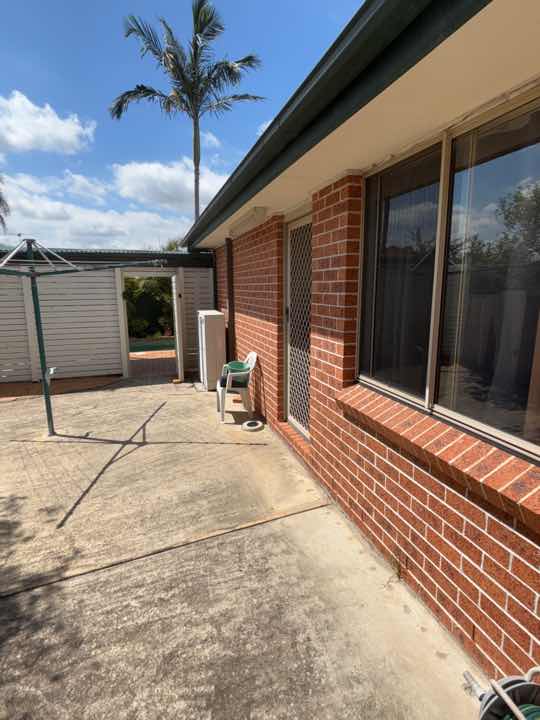
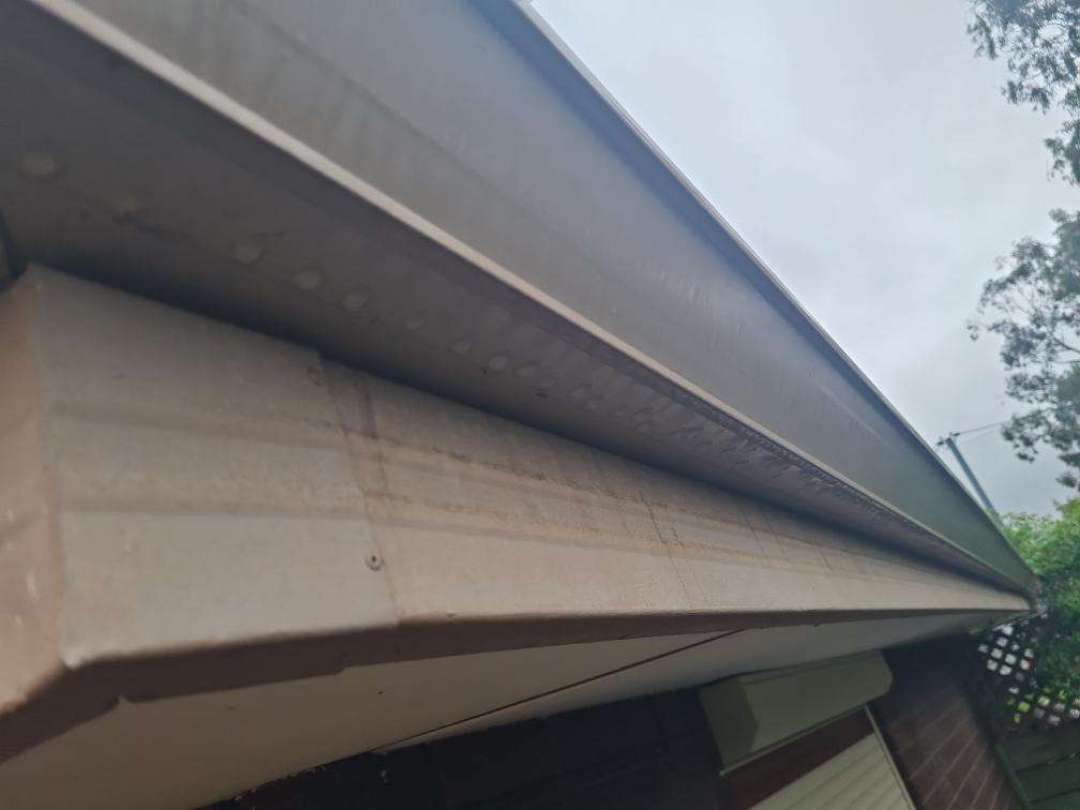
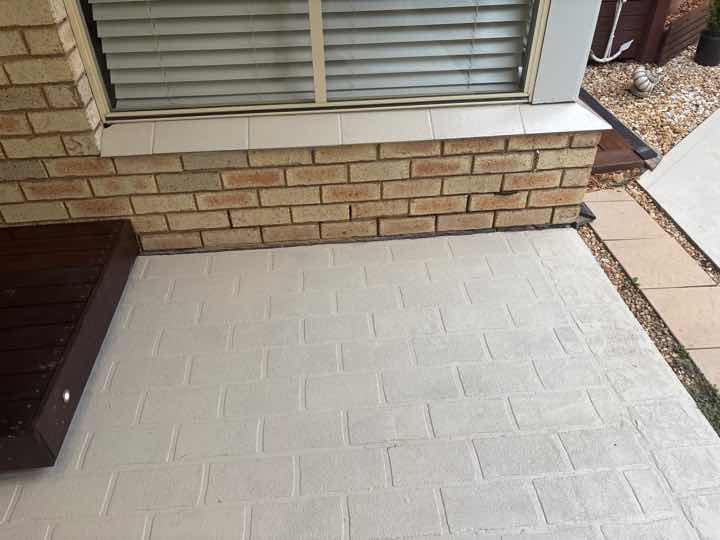
Real defects our inspectors have flagged
Why you might need this
- Your property borders a new construction site and you need a baseline record before works begin
- A building company has requested a dilapidation inspection of your property before their nearby construction
- Council or the builder's insurer requires a dilapidation inspection as a condition of their permit
- You want independent documentation of existing conditions before construction vibration or excavation begins
- Re-inspection after construction completes, comparing new cracks to the baseline
What we find when we walk a property
Every dilapidation inspection draws on the same indexed defect corpus, patterns our inspectors have catalogued across thousands of properties.
Across Perth and Sydney. Every report indexed.
Per property our inspectors document, photograph and severity-rate.
23,030 defects classified critical: items that affect structure, safety or value.
Source: SURE defect corpus, refreshed monthly
The process
- 1
Book before nearby construction begins
The inspection must occur before construction works commence. Waiting until works have begun may mean existing cracking and new cracking cannot be distinguished.
- 2
Inspector documents all existing cracking
Your SURE inspector photographs and documents all existing cracking to walls, paths, driveways, fencing, and road surfaces, in accordance with AS 4349.0.
- 3
Baseline report delivered promptly
The dilapidation report provides a photographic and written record of the pre-construction condition of your property.
- 4
Re-inspection after construction
After the neighbouring works are complete, a second dilapidation inspection can be completed to identify any new cracking or extension of existing cracks.
See exactly what you get before you book
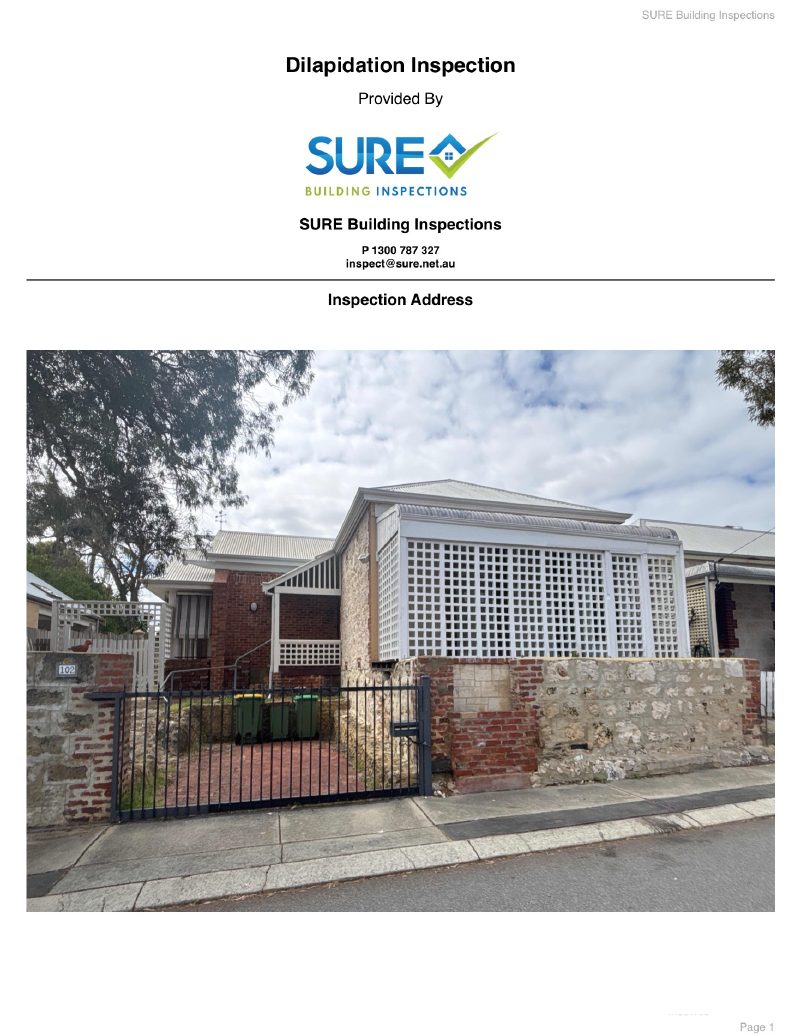
Our dilapidation inspection report includes annotated photos, severity ratings, AS 4349 references and actionable remediation advice. Written in plain language so you can act on it the day you receive it.
- Photo evidence per finding
- Severity rated: critical, moderate, cosmetic
- Australian Standards cross-referenced
- Remediation guidance you can quote
What our dilapidation inspections commonly find
Our DefectIndex documents inspection findings across Perth and Sydney. Browse the defect categories most relevant to this type of inspection.
About a dilapidation inspection
The Dilapidation Inspection identifies and documents existing cracking to a property before neighbouring construction works begin, in accordance with AS 4349.0-2007. The inspection covers walls (internal and external), retaining walls, brick fencing, concrete paths and driveways, and nearby road surfaces up to 30 metres from the building where accessible, recording the size, location, and severity of all pre-existing damage within the inspection scope. A real sample dilapidation report is available to download below, so you can see exactly what’s documented and how it’s presented before you book.
At the completion of all neighbouring works, a second dilapidation inspection can be completed to evaluate any new cracking or extension of existing cracks. This two-stage process provides a clear evidence base for any damage claims arising from the construction.
Why this inspection matters
Construction vibration, excavation, and ground movement can cause or worsen cracking to neighbouring properties. Without a pre-construction baseline, it becomes very difficult to establish whether damage was pre-existing or caused by the works, and builders, their insurers, and council will default to that ambiguity when defending a claim.
A SURE dilapidation report is an independent record, not one commissioned by the builder. If the builder’s inspector and your inspector document the same pre-existing cracks, the record is strong. If they don’t, you have your own evidence. For properties within 30 metres of a construction site, a dilapidation inspection is the most reliable way to protect your position before works begin.
The inspection must occur before construction commences. Once works have started, pre-existing and construction-caused cracking may be indistinguishable.
You might also need
About dilapidation inspection
Who typically requests a dilapidation inspection?
Building companies typically request dilapidation inspections for properties bordering their construction sites. Property owners can also commission their own dilapidation inspection to have an independent record before the builder does theirs.
Do I need a dilapidation inspection if the builder is doing one?
Yes, the builder's dilapidation inspector is engaged by the builder, not you. Having your own independent SURE inspection ensures you have an unbiased baseline record if a dispute arises.
What happens if new cracking is found after construction?
A post-construction dilapidation inspection compares the new condition against the pre-construction baseline. New cracks or extensions of existing cracks that are attributable to the construction works can be identified and documented for a claim.
Is a dilapidation inspection required by law?
Requirements vary by council and building permit conditions. Some councils require dilapidation inspections of neighbouring properties as a condition of approval for excavation or demolition works.
How far does the inspection extend from my property?
The inspection is limited to the property itself, walls, internal cracking, paths, driveways, brick fencing, and immediately adjacent road surfaces. It does not include neighbouring properties or the construction site.