Defect Root Cause Inspection
Find out why a defect exists, not just that it exists, root cause investigation with invasive access available where needed.
- Same-day report (subject to access and availability)
- Upfront pricing
- 12 months free advice

What's in your defect root cause inspection
Included
- Investigation of the most likely root causes of a known building defect
- Identification of all areas affected by the defect
- Documentation of damage caused by the defect
- Summary of the defect including likely cause
- Photographic evidence of defect and affected areas
- Inspection per AS 4349.0-2007
- Invasive access where required (additional fee applies)
- Same-day written report
Not included
- Engineering assessment or certification
- Repair cost estimates
- Rectification or remediation works

Our inspectors document every accessible element on site with photo evidence and severity ratings.
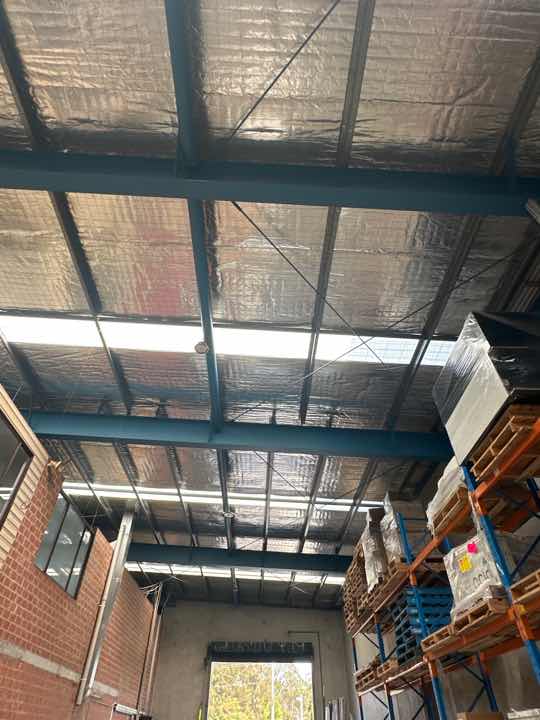
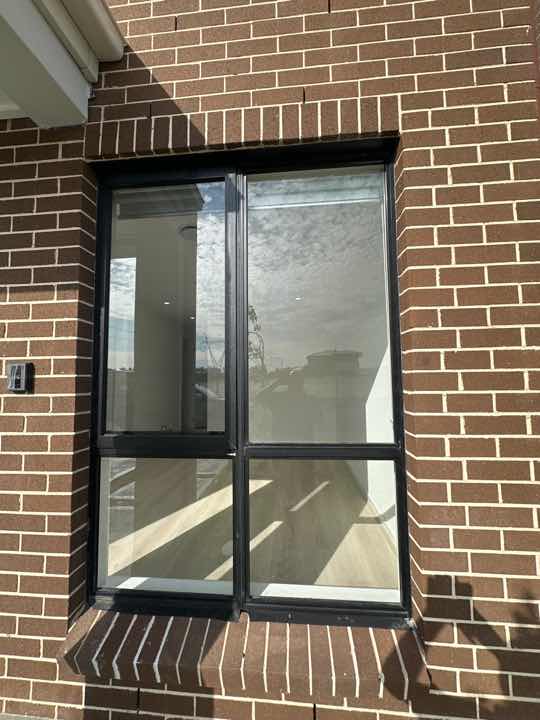
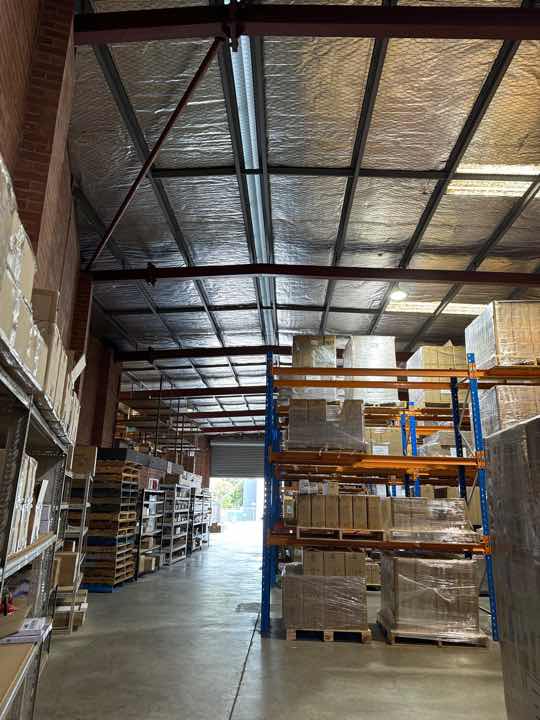
Real defects our inspectors have flagged
Why you might need this
- Cracking has appeared in walls or a slab and you need to know whether it is structural or cosmetic
- Water is entering the building at a specific location and the source needs to be identified
- A defect was reported in a pre-purchase inspection and you want the root cause investigated before settlement
- Builder or body corporate dispute where independent root cause evidence is needed
- Ongoing defect that multiple trades have attempted to fix without success
What we find when we walk a property
Every defect root cause inspection draws on the same indexed defect corpus, patterns our inspectors have catalogued across thousands of properties.
Across Perth and Sydney. Every report indexed.
Per property our inspectors document, photograph and severity-rate.
23,030 defects classified critical: items that affect structure, safety or value.
Source: SURE defect corpus, refreshed monthly
The process
- 1
Book with details of the known defect
Provide a description of the defect and its location. The inspector will review the context before attending to focus the investigation efficiently.
- 2
Inspector investigates the defect
Your SURE inspector examines the defect and its surrounding context, identifying the most likely root causes. Invasive access may be required for concealed causes.
- 3
Same-day report delivered
A report documenting the defect, affected areas, and most likely root cause is delivered the same day, subject to access and availability, with photos and a plain language summary.
- 4
12 months free advice
Your inspector is available for questions about findings and remediation options during the free advice period.
See exactly what you get before you book
Our defect root cause inspection report includes annotated photos, severity ratings, AS 4349 references and actionable remediation advice. Written in plain language so you can act on it the day you receive it.
- Photo evidence per finding
- Severity rated: critical, moderate, cosmetic
- Australian Standards cross-referenced
- Remediation guidance you can quote
What our defect root cause inspections commonly find
Our DefectIndex documents inspection findings across Perth and Sydney. Browse the defect categories most relevant to this type of inspection.
About a defect root cause inspection
The Defect Root Cause Inspection investigates the most likely root causes of a known building defect, in accordance with AS 4349.0-2007. The inspection is scoped per defect, each investigation covers one specific problem, identifying all areas affected, documenting the damage it has caused, and determining the most likely cause. Invasive action around the defect area may be required and is quoted separately.
Priced at $550 inc GST for the first hour on site, with additional time at $220 per hour.
Why this inspection matters
Knowing a defect exists is different from knowing why it exists. Trades can patch symptoms indefinitely, recurring leaks, reappearing cracks, persistent moisture, without addressing the underlying cause. This inspection is the step that ends that cycle.
It is also the foundation for any formal claim or dispute. Whether a builder disputes liability, a body corporate contests responsibility, or an insurer questions causation, an independent root cause report from a licensed inspector provides documented evidence of the defect, its extent, and its most likely origin, in a form that can be used in correspondence, mediation, or tribunal proceedings.
This service is typically commissioned when a defect has been identified but its cause is uncertain, when a known cause needs independent verification, or when a defect that multiple trades have attempted to fix continues to reappear.
You might also need
About defect root cause inspection
What types of defects does this inspection investigate?
Any known building defect, cracking, water ingress, moisture, movement, rust, rot, pest damage, drainage failure, or any other specific building issue that requires root cause identification.
Is invasive access always required?
Not always, many root causes can be identified by experienced visual inspection without invasive access. Where concealed elements need to be examined, the inspector will discuss invasive access options with you before proceeding.
Can this report be used in a legal dispute?
Yes, the SURE Defect Root Cause report provides independent documented evidence of the defect and its likely cause, suitable for use in disputes with builders, developers, or body corporates.
What if full visibility is not possible?
The report will clearly state where visibility was restricted and what further investigation (e.g. invasive access, engineering assessment) would be required to confirm the root cause.
How long does the investigation take?
This depends on the complexity of the defect. The initial hour covers most straightforward investigations. Complex defects requiring invasive access may take 2–4 hours.