
Concrete Slab Inspection (Brick Veneer / Timber Frame)
Finished levels, cracking, dimensional compliance and above-slab services, verified after the pour cures and before the frame or brickwork is erected.
- Same-day report (subject to access and availability)
- Upfront pricing
- 12 months free advice

What's in your concrete slab inspection
Included
- Verification of position of services and dimensions per approved plans
- Inspection for slab cracking, width, pattern, location
- Inspection of finished floor levels
- Inspection of services above slab
- Compliance assessment to AS 2870-2011
- Same-day written report with photo evidence
Not included
- Pre-pour or pour-witness inspection (separate services)
- Engineering certification
- Subsurface or embedded element inspection

Our inspectors document every accessible element on site with photo evidence and severity ratings.
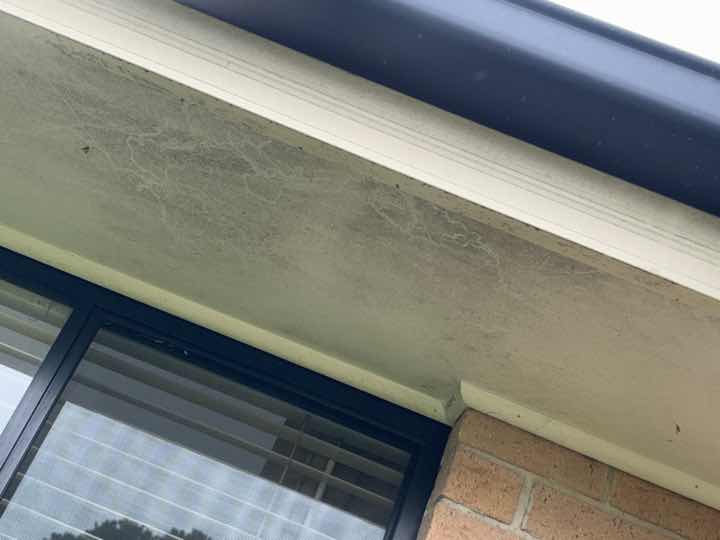
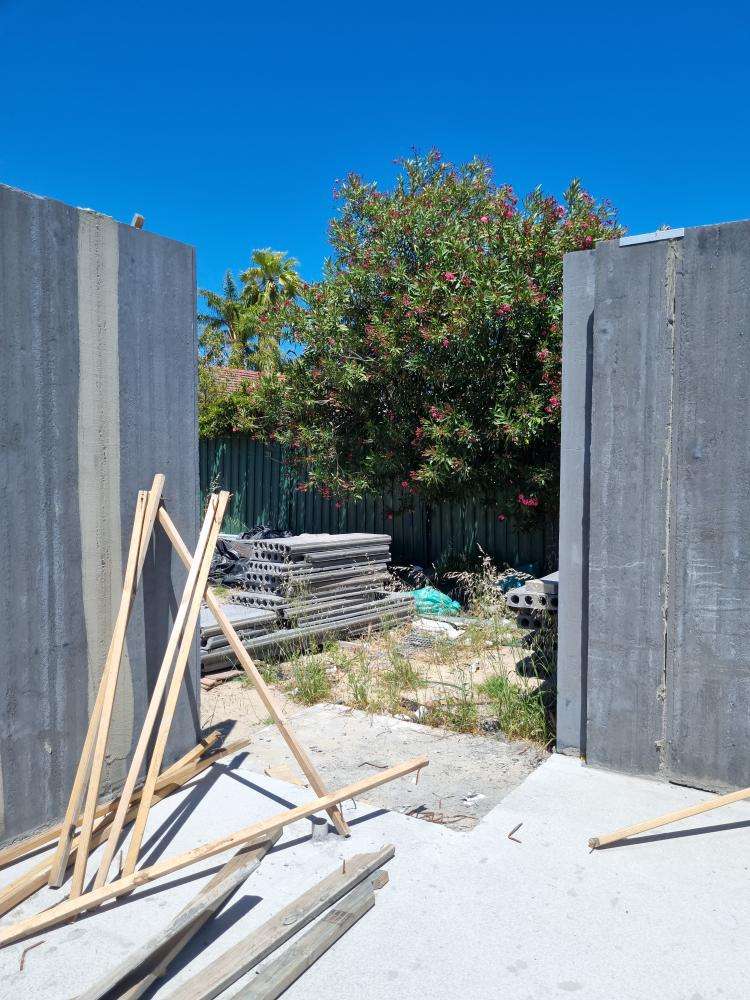
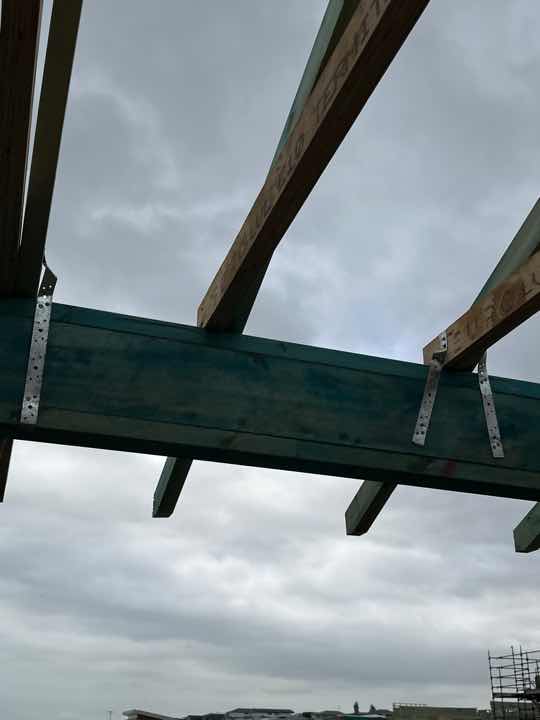
Real defects our inspectors have flagged
Why you might need this
- Verifying the finished slab before the frame or brickwork is erected
- Identifying cracking early, before it is concealed by flooring
- Documenting slab dimensions against approved plans for council or bank purposes
- Owner-builder wanting independent sign-off before proceeding to the next stage
- Dispute prevention, documented slab condition before frame or brickwork construction begins
Stage pricing is confirmed at booking. The fee depends on the build stage, site access, and inspection scope. Use the guide price in the header as a starting point, then book online to confirm your quote.
The build sequence
Where this inspection sits in the build
Every stage inspection has a right moment. Here is the full sequence, with this inspection highlighted and when to book each of the others.
Stage 3 of 8 This inspection
Concrete Slab Inspection
2+ days after the concrete is poured and set
- When to book
- Book for two or more days after the pour, before your builder starts framing or brickwork.
- Why it matters
- Once the walls go up, nobody can check the slab set-out or catch early cracking.
View full 8-stage build sequence
-
- When to book
- Book as soon as your builder confirms the pour date. We inspect one to two days before the trucks arrive.
- Why it matters
- Once concrete is poured, the formwork, footings and reinforcement can never be checked again.
-
- When to book
- Book once the pour date is locked in. One visit covers the pre-pour check and the pour itself.
- Why it matters
- The one chance to check the slab while it is being placed, not after it has set.
-
Stage 3 of 8 This inspection
Concrete Slab Inspection
2+ days after the concrete is poured and set
- When to book
- Book for two or more days after the pour, before your builder starts framing or brickwork.
- Why it matters
- Once the walls go up, nobody can check the slab set-out or catch early cracking.
-
- When to book
- Book the day framing finishes, before any roof cover, cladding or plasterboard goes on.
- Why it matters
- Bracing, tie-downs and lintel sizing can only be checked now.
-
- When to book
- Book once the building is sealed and lockable: roof on, external doors and windows in, before internal fit-out begins.
- Why it matters
- Your last look at flashings, brick ties and waterproofing before the linings hide them.
-
- When to book
- Book as soon as your builder gives you the PCI date and time.
- Why it matters
- Defects documented at PCI are contract corrections. Miss them and they turn into warranty disputes.
-
- When to book
- Book once the builder confirms the PCI defect repairs are finished.
- Why it matters
- Independent confirmation that every PCI item was actually fixed before you accept the keys.
-
- When to book
- Book in good time before your warranty period closes. Your builder or contract sets the exact window.
- Why it matters
- The last window to put settling and movement defects back on the builder before the warranty closes.
The process
- 1
Schedule after the pour has cured
The inspection should be completed 2–3 days after the pour and before the frame or brickwork is erected.
- 2
Inspector assesses the finished slab
Your SURE inspector checks finished levels, dimensional compliance, cracking, and the position of services protruding above the slab against approved plans.
- 3
Same-day report delivered
A detailed report with photos and measurements is delivered the same day, subject to access and availability, in time to address any defects before framing begins.
- 4
12 months free advice
Your inspector is available to answer questions about findings or remediation options during the 12-month free advice period.
See exactly what you get before you book
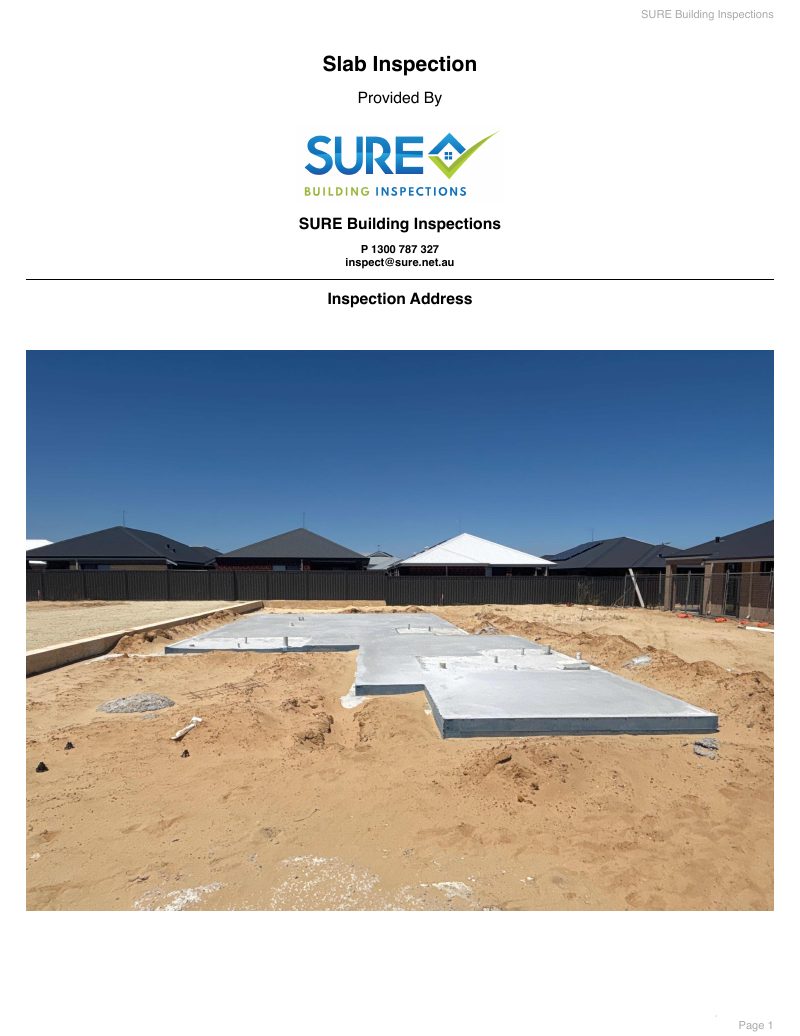
Our concrete slab inspection (brick veneer / timber frame) report includes annotated photos, severity ratings, AS 4349 references and actionable remediation advice. Written in plain language so you can act on it the day you receive it.
- Photo evidence per finding
- Severity rated: critical, moderate, cosmetic
- Australian Standards cross-referenced
- Remediation guidance you can quote
Common defects we find on concrete slab inspections
Patterns indexed across the Perth and Sydney corpus. These are the types of findings you might see in your own report.
Cracked concrete slab
Slab cracking that needs assessment before finishes lock in the defect.
Unsealed plumbing penetrations
Unsealed plumbing and drain penetrations through the slab, termite and moisture entry points.
Settlement cracking in brickwork
Early cracking in the slab or footings indicating differential settlement or reactive soil.
About a concrete slab inspection
The Concrete Slab Inspection (post-pour) is completed 2–3 days after the pour, before the frame or brickwork is erected, to verify compliance with AS 2870-2011. The inspector checks finished floor levels, dimensional compliance with approved plans, the location of above-slab services, and any cracking in the finished slab.
It is a separate service from the pre-pour and pour-witness inspections. The report documents the finished slab condition before the frame or brickwork goes up, giving you a baseline record if questions arise later.
When to book
Book 2–3 days after the pour and before the frame or brickwork is erected.
- Slab dimensions are documented against approved plans while the slab is still fully exposed
- Cracking is visible before flooring or framing covers it
- Service stub positions can be verified before the frame makes re-routing costly
- Anything that needs fixing can be addressed before the next trade arrives
Why this inspection matters
The slab is the foundation of everything that follows. Once the frame or brickwork is erected above it, defects in the finished slab become progressively harder and more expensive to address. Dimensional errors that are straightforward to remedy at this stage can create cascading problems through wall framing, kitchen layouts, and floor coverings.
Cracking in a newly poured slab is common, but not all cracking is acceptable. The pattern, location, and width determine whether it is within the tolerances of AS 2870 or requires engineering review. Documenting cracking before the frame or brickwork is erected establishes a clear baseline, distinguishing pre-existing slab cracking from any that develops later in the build.
The inspection also verifies that service pipes protrude above the slab in the correct positions. Re-routing misplaced plumbing stubs after the frame or brickwork is up is costly; catching them at this stage is not.
You might also need
Before you book
When should I book the post-pour slab inspection?
2–3 days after the pour and before the frame or brickwork is erected. Inspecting the slab at this stage allows any defects to be identified and addressed before the next trade starts.
What width of cracking is acceptable in a concrete slab?
AS 2870 sets tolerances for residential slabs. Minor shrinkage cracking is common and typically within acceptable limits. The inspector will assess crack width, pattern, and location to determine whether they are within tolerance or warrant engineering review.
Can this inspection detect subsurface defects?
The inspection is visual. Subsurface defects such as voids or delamination beneath the surface are not detectable without specialist non-destructive testing (not included). Where surface indicators suggest subsurface issues, the report will recommend further investigation.
Do I need this if I already had the pour witnessed?
Yes, the pour witness documents the installation process. The post-pour slab inspection documents the finished product and its compliance with dimensional tolerances and level requirements. Both serve different purposes.
When do I need a slab inspection — before or after the pour?
Both serve a purpose. A pre-pour inspection checks the footings, steel and barriers before the concrete is placed; this post-pour inspection documents the finished slab before the frame or brickwork is erected. We also offer a Slab Pour Witness to confirm the concrete is poured in accordance with the Building Code of Australia.
Is this inspection available for commercial slabs?
Yes, a commercial rate applies. Contact us to discuss your project.