
Building Inspections in Wyoming, Central Coast

Common issues in Wyoming
Wyoming and surrounding suburbs
Tiles © Esri · Esri, HERE, Garmin, © OpenStreetMap contributors, and the GIS user community
Questions we hear about Wyoming
What is the turnaround on a Wyoming inspection?
The report is emailed the same day as the inspection, subject to access and availability. Give us the date you are working to when you book. If it has been dry for a long stretch, say so, because seasonal ground movement is the recurring theme in Wyoming reports and cracking reads differently depending on where the season sits. Twelve months of free advice on the report is included.
What is included, and what would I add?
The building inspection runs to AS 4349.1 and covers the accessible parts of the house and the site, including the slab edge, drainage, overflows and any timber left in ground contact. It records termite-conducive conditions but not termite activity, which is a timber pest inspection under AS 4349.3, a separate scope in the same visit. With stumps left in the ground and garden beds built up over the slab edge being common findings here, most Wyoming buyers book both.
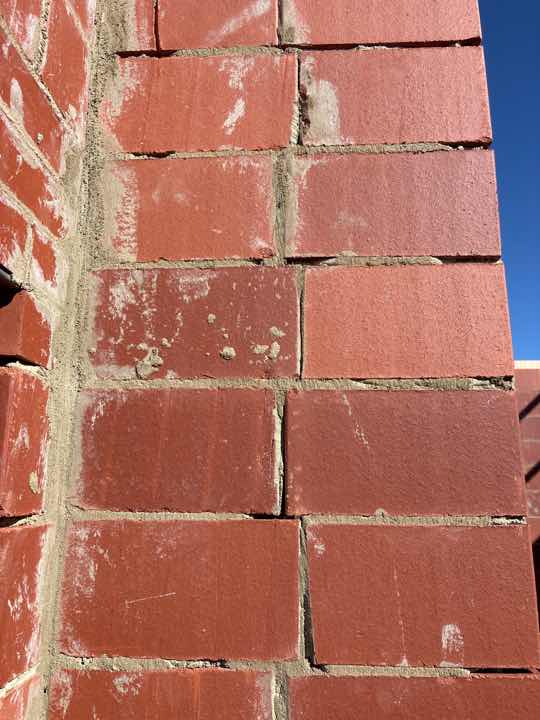
There is cracking in the brickwork. Should that stop me buying in Wyoming?
Not on its own. The clay-rich soils that weather out of the local sandstone and siltstone swell in wet months and shrink in dry ones, and masonry above them moves with the seasons. What matters is the width of the crack, where it runs, whether it steps through mortar or splits the bricks, and whether doors and windows have gone out of square. We describe the pattern and tell you when it warrants a structural engineer.
Why does the inspector want to see the edge of the slab?
Because a visible slab edge is a termite inspection tool. Wyoming has a lot of slab-on-ground homes where a garden bed, path or paving has been added over the years and buried that edge. Once it is covered, termites can travel up behind the render with nothing to give them away.
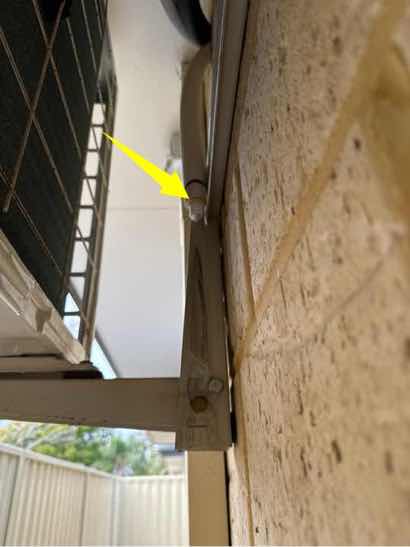
Where is the air conditioner meant to drain to?
Into the stormwater system, not onto the ground beside the house. The same goes for the hot water relief valve and the rainwater tank overflow. Each of those discharges water beside the footings day after day, which softens the ground, feeds fungal decay in nearby timber and creates the damp conditions termites look for. They are cheap to fix and easy to ignore.
The previous owner left the stumps from a few felled trees. Does that matter?
Yes. A stump left in the yard is a food source sitting metres from your house, and it is one of the most common conducive conditions we record. The same applies to old timber sleepers, offcuts stored under the deck and fence posts in ground contact. Removing them is one of the simplest things a new owner can do.
More areas near Wyoming
Real defects our inspectors have flagged
Built to last. Inspected to be SURE.
One inspection, twelve months of advice, and the same person on the other end of the phone every time you call. That is the part you do not see on the brochure.
9,237 inspections · 242,618 defects found · Inspector-owned franchises