
Building Inspections in Dee Why, Sydney
Stock profile · ABS 2021 Census
What’s here in Dee Why
- Separate houses
- 32.5%
- Semi-detached / townhouse
- 14.8%
- Flats & apartments
- 52.7%
9,800 occupied private dwellings
Local profile · ABS 2021 Census
Who lives in Dee Why
- Median age
- 36yrs
How Dee Why
was built
Dee Why developed as a Northern Beaches residential suburb through the post-war era, filling with 1950s-60s cottages and progressively dense 1960s-80s walk-up apartment stock. The B-Line rapid bus service, opened 2017, significantly improved transport to the CBD. Dee Why Beach remains the primary landmark; the lagoon and headland reserves define northern and southern limits. Warringah Mall (at neighbouring Brookvale) anchors regional retail.
What makes Dee Why worth it
-
Northern Beaches beachside lifestyle with fast B-Line to CBD
Northern Beaches beachside lifestyle with fast B-Line to CBD.
-
Northern Beaches Hospital 3 km inland for medical employment
Northern Beaches Hospital 3 km inland for medical employment.
-
Diverse stock from post-war cottages
To beachfront apartments.
-
Strong tenant demand from healthcare
Beach-lifestyle, and surf tourism.
-
Mid-price entry point for Northern Beaches
Mid-price entry point for Northern Beaches.
Meet Rod Ismail
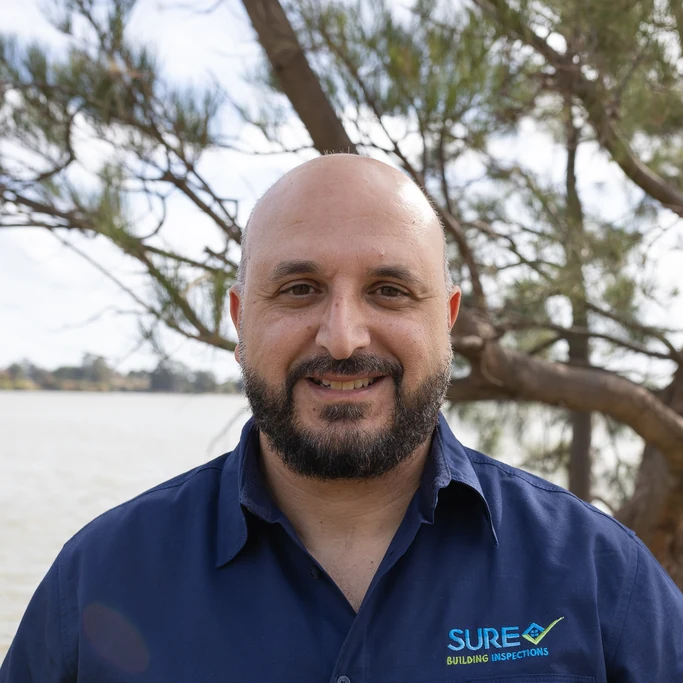
Our Northern Beaches inspector, the SURE Northern Beaches team, covers Dee Why, Manly, and the wider Northern Beaches corridor. Salt aerosol corrosion on coastal apartment stock and the 1960s-80s walk-up building category are the team's primary areas of expertise in tthe team's territory. - Territory: Sydney Northern Beaches - Inspector: the SURE Northern Beaches team
Local risks in Dee Why
Dee Why occupies a broad coastal flat between the beach to the east and the Dee Why Lagoon to the north, with Hawkesbury sandstone bedrock providing generally sound foundation conditions across most of the residential grid. The suburb's post-war development was rapid: 1950s-60s fibro and brick cottages first, then a heavy overlay of 1960s-80s walk-up apartment blocks that were built as the Northern Beaches became accessible to middle-income Sydney families. These walk-ups now form the majority of Dee Why's apartment stock and were constructed before modern waterproofing membrane systems, before concrete durability requirements under AS 3600, and before corrosion-protection standards for reinforcement in coastal environments were codified. In Dee Why, we see a lot of: - Salt spray corrosion on coastal-facing apartment elevations: concrete balcony slab edges on the older walk-up stock show carbonation-induced reinforcement corrosion, with rust staining, spalling concrete, and exposed bar on north-east and east-facing aspects. The proximity to the beach (many buildings within 300-500 m) accelerates chloride penetration into concrete cover. Structural balcony repairs typically $6,000-25,000 per balcony; full slab-edge restoration on a multi-storey block can reach $200,000+ as a strata-wide project (AS 3600-2018 concrete structures; ICRI guidelines for concrete repair). - Strata building waterproofing failures: pre-1990 walk-up blocks routinely present failed flat-roof membranes, degraded balcony waterproofing at the upstand-to-wall junction, and failed sealant at sliding door thresholds. Water ingress into top-floor units and through balcony soffits is the typical symptom. Full roof membrane replacement on a six-storey walk-up typically $80,000-180,000 as a strata capital works item (BCA Part 3.5.2 and AS 4654 waterproofing standards). - Ageing apartment complex defects in 1970s-80s stock: beyond waterproofing, this building cohort shows failing lift equipment, outdated fire suppression systems below current AS 1670 requirements, and in some cases asbestos-containing materials in external cladding, eaves linings, and internal partition boards that require management under the Work Health and Safety Act 2011. Post-war cottages in the residential streets behind the beach are a secondary stock category. They generally sit on sound sandstone subsoils but present timber decay in subfloor structures on sloped blocks where stormwater drainage is inadequate, and often carry unapproved additions built during the 1980s-90s without council approval.
Common issues in Dee Why
Inspecting
Dee Why homes
Dee Why's 1960s-80s walk-up apartment stock sits close to the ocean and shows pronounced concrete balcony spalling and steel reinforcement corrosion on salt-facing elevations. Cottages in the post-war grid generally sit on sandstone-based subsoils with sound footings but can have drainage issues on sloped blocks. Timber window joinery on coastal-facing walls decays rapidly. Pre-1990 strata stock often has overdue concrete and roof remediation, strata records review is essential to budget for special levies.
Dee Why and surrounding suburbs
Tiles © Esri · Esri, HERE, Garmin, © OpenStreetMap contributors, and the GIS user community
Questions we hear about Dee Why
What building era dominates in Dee Why?
Post-war (1950s-60s) cottages and 1960s-80s walk-up apartment blocks, with some newer mid-rise and beachfront apartments.
Are there coastal corrosion issues in Dee Why?
Yes, significant. Salt aerosol is a major driver of concrete and steel corrosion on older apartment stock.
Which type of inspection do I need for a Dee Why property?
Combined building and pest for houses. High-rise apartment plus strata records for apartments.
How quickly can SURE book an inspection in Dee Why?
24-48 hours typical. Call 1300 787 327.
What's the typical inspection cost for a Dee Why property?
3-bedroom combined $610, high-rise apartment from $550, strata records $990.
More areas near Dee Why
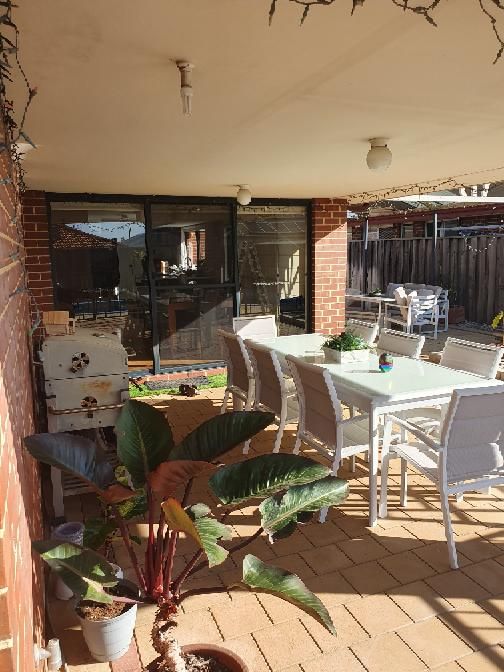
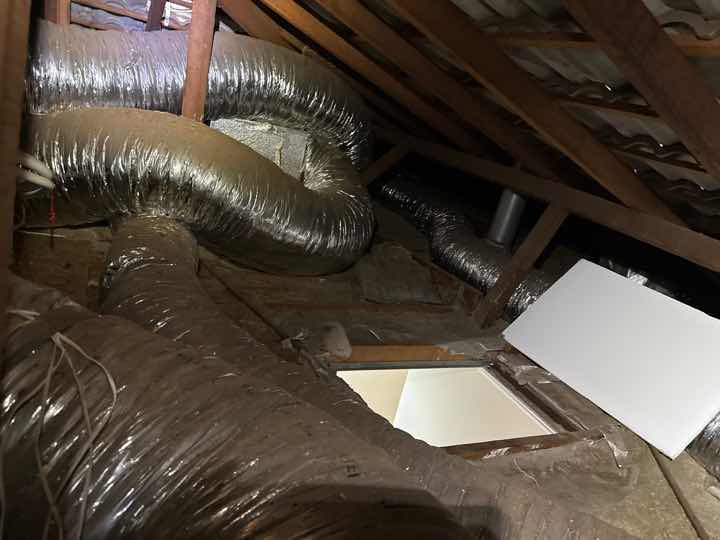
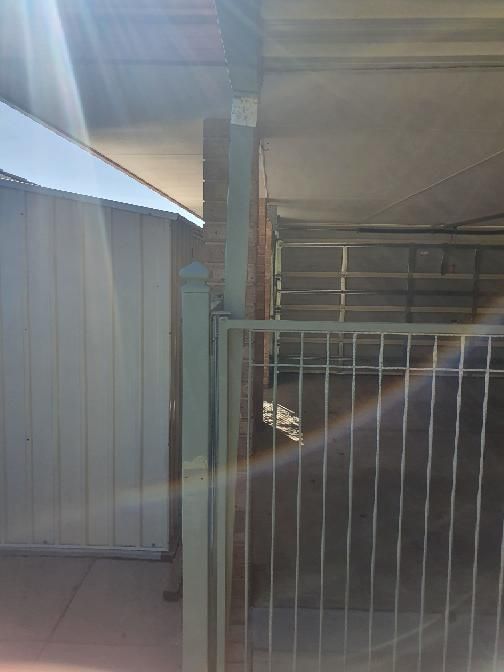
Real defects our inspectors have flagged
Built to last. Inspected to be SURE.
One inspection, twelve months of advice, and the same person on the other end of the phone every time you call. That is the part you do not see on the brochure.
9,237 inspections · 242,618 defects found · Inspector-owned franchises