How to prepare for your inspection day
A few simple steps before your inspector arrives will help you get the most value from your building inspection. This guide covers everything you need to know.

Before the inspection
Preparing your property for inspection day ensures the inspector can access every area they need to assess. The more thorough the access, the more complete your report will be. Here is what to do in the days leading up to your inspection.
Clear subfloor and roof access
The inspector needs to access the subfloor space and roof cavity to check for structural issues, moisture, termite activity, and insulation problems. Remove any furniture, boxes, or stored items blocking access hatches. If your subfloor entry is external, make sure the path is clear and well-lit.
Unlock gates, sheds, and external doors
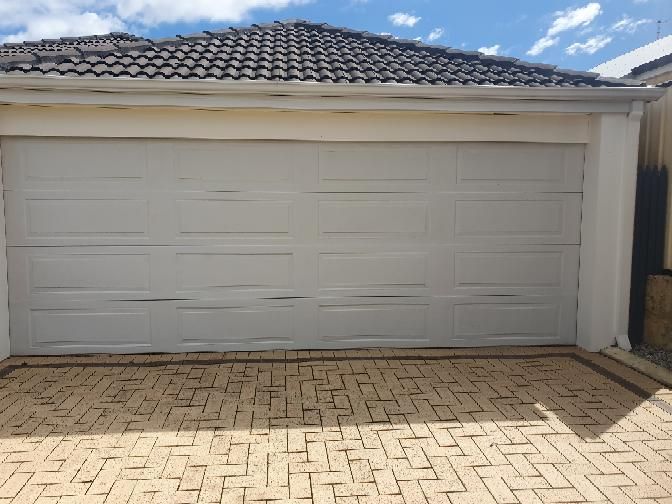
The inspector will need to check external structures including sheds, garages, carports, and fenced areas. Leave keys or combinations where they can be found, or unlock these areas before the inspector arrives. If access is restricted, note it in advance so the inspector can plan accordingly.
Secure pets in a safe area
For the safety of your pets and the inspector, keep animals secured in a separate area during the inspection. Dogs should be restrained or off-site if they are not comfortable with strangers. The inspector will need to move through all rooms and external areas freely.
Be present if possible
While not mandatory, attending the inspection is highly recommended. It gives you the chance to ask questions in real time, see defects firsthand, and understand the context of the inspector's findings. Many clients find this the most valuable part of the entire process.
If you cannot attend, ensure someone trustworthy is available to grant access. The inspector can call you after the inspection to discuss key findings over the phone.
What to expect during the inspection
A typical building inspection takes between 1 and 2 hours depending on the size, age, and condition of the property. The inspector follows Australian Standard AS 4349.1, which defines the scope and methodology for pre-purchase building inspections.
What the inspector checks
- Interior: Walls, ceilings, floors, doors, windows, and joinery for defects, moisture, and structural movement
- Exterior: External walls, cladding, eaves, fascia, gutters, and downpipes
- Roof: Roof covering, flashings, valleys, and roof structure from inside the cavity
- Subfloor: Bearers, joists, stumps, dampness, ventilation, and pest activity
- Site: Drainage, retaining walls, driveways, paths, and outbuildings
What is not included
Ask questions
Your inspector is there to help you understand the property. Ask about anything that concerns you: the severity of cracks, the urgency of repairs, estimated costs, and whether a defect is common for the property's age and location. No question is too small.
How to read your inspection report
Your report will be delivered by email as a PDF on the same day as the inspection (subject to access and availability). It typically runs 30+ pages and includes photographs, defect descriptions, severity ratings, and remediation advice. Here is how to get the most from it.
Understanding severity ratings
Cost estimates
Where possible, the report includes indicative cost estimates for repairs. These are ballpark figures to help you budget and negotiate, not formal quotes. Always obtain quotes from licensed tradespeople before finalising your purchase decision.
Photographic evidence
Every significant defect is photographed with context. The photo shows the location and nature of the problem. Use these images when obtaining repair quotes or negotiating with the seller. They provide objective evidence that is difficult to dispute.
Next steps after receiving your report
- Read the executive summary first. This gives you the big picture without getting lost in detail.
- Review critical and major defects. These are the items that affect your decision or budget.
- Obtain repair quotes. Use the report to get formal quotes from licensed trades.
- Negotiate or withdraw. Use the findings to negotiate on price, request repairs, or withdraw from the contract if serious defects are found.
- Keep the report. It is a valuable record of the property's condition at the time of purchase.
Quick preparation checklist
- Clear subfloor access hatches and roof cavity entries
- Unlock all external gates, sheds, and garages
- Secure pets in a safe, separate area
- Move furniture away from walls where possible
- Ensure power and water are connected
- Be present or arrange access for the inspector
- Prepare a list of questions or concerns
Common questions
What if it rains on inspection day?
Light rain does not typically stop an inspection. Heavy rain may limit roof access for safety reasons. If weather prevents a full inspection, your inspector will discuss options with you: rescheduling the roof component or proceeding with a note about limited access.
Do I need to tell the tenant or agent?
Yes. For tenanted properties, the property manager or owner must give the tenant proper notice of entry, usually 24 to 48 hours depending on state regulations. For vacant properties, arrange access with the selling agent directly.
How long does the inspection take?
Most inspections take 1 to 2 hours. Larger properties, older homes, or properties with complex issues may take longer. Your inspector will give you an estimated duration when they confirm the booking.
When will I receive my report?
Same day (subject to access and availability). The report is emailed to you as a PDF within hours of the inspection completion. If you have a cooling-off deadline or finance approval pending, let the inspector know and they will prioritise delivery.
Related guides
Perth Building Inspection Guide
What inspectors check, common defects, costs, and how to use your report.
Combined Inspection Guide
How combined building and pest inspections work, what's covered, and packaged pricing.
Handover Inspection Checklist
22 common handover defects your builder must fix before you accept the keys.
Senior Building Inspector · 9,237 inspections · 242,618 defects found
SURE Building Inspections has conducted thousands of building inspections across Perth and Sydney. All content is reviewed for technical accuracy before publication.