
Building Inspections in Springfield, Central Coast

Common issues in Springfield
Springfield and surrounding suburbs
Tiles © Esri · Esri, HERE, Garmin, © OpenStreetMap contributors, and the GIS user community
Questions we hear about Springfield
There is cracking in the brickwork. Is that expected on a hill block?
Some movement is. The clay-rich soils on these slopes between Gosford and Erina swell when wet and shrink when dry, and masonry moves with them through the seasons, which is what articulation joints are built to absorb. What matters is what the cracking is doing, not that it is there. We look at crack width, whether they step through mortar or run straight through bricks, whether they line up with window and door openings, and whether the openings still close. Where it reads as structural, the report says get an engineer.
Where does the water go on a Springfield block?
Downhill, and the question is whether it goes past the house or into it. On sloping ground we look at where surface water enters the site from above, whether there is any cut-off drainage, where the downpipes actually discharge, and whether the ground falls away from the walls or back toward them. Overflow from air conditioners, hot water systems and tanks gets followed too, since a discharge that ends nowhere keeps a strip of soil wet all year.
The house is split-level. Does that change anything?
It adds retaining, and retaining is where the money is on blocks like this. A split-level house usually sits on a cut-and-fill platform with walls holding the level changes, so we look at those walls for leaning, bulging and cracking, and for any sign of drainage behind them. Drainage behind a wall is what stops it taking a load it was never designed for. Cracking inside gets read against the platform, because the two usually tell the same story.
What is checked on the lower side of the slope?
That is usually where the subfloor is, and it earns the time. We look at clearance between timber and soil, whether the ventilation openings are still open and doing something, the condition of stumps, bearers and joists, and any plumbing running through the space. On a cut block the low side collects the water that crosses the site, so damp down there is common. Where the space cannot be entered safely, the report records it as not inspected and explains why.
Does a building inspection cover termites?
The building inspection records the conducive conditions we can see. On established Springfield gardens that is typically timber and garden edging in contact with the ground, mulch and beds banked over the slab edge or the ant caps, stumps left after a tree came out, and ground that stays damp because a discharge ends there. A timber pest inspection is the separate scope that looks for activity and damage. Book both together so the property is opened once.
When will I have the report?
The aim is a same-day report by email rather than post, subject to access and availability. Sloping blocks with retaining and a subfloor take a little longer on site than a flat suburban house, so book a few days ahead of exchange. Calls about the report are free for twelve months after it is issued, and that is when most people ring, once the quotes come in.
More areas near Springfield
Real defects our inspectors have flagged
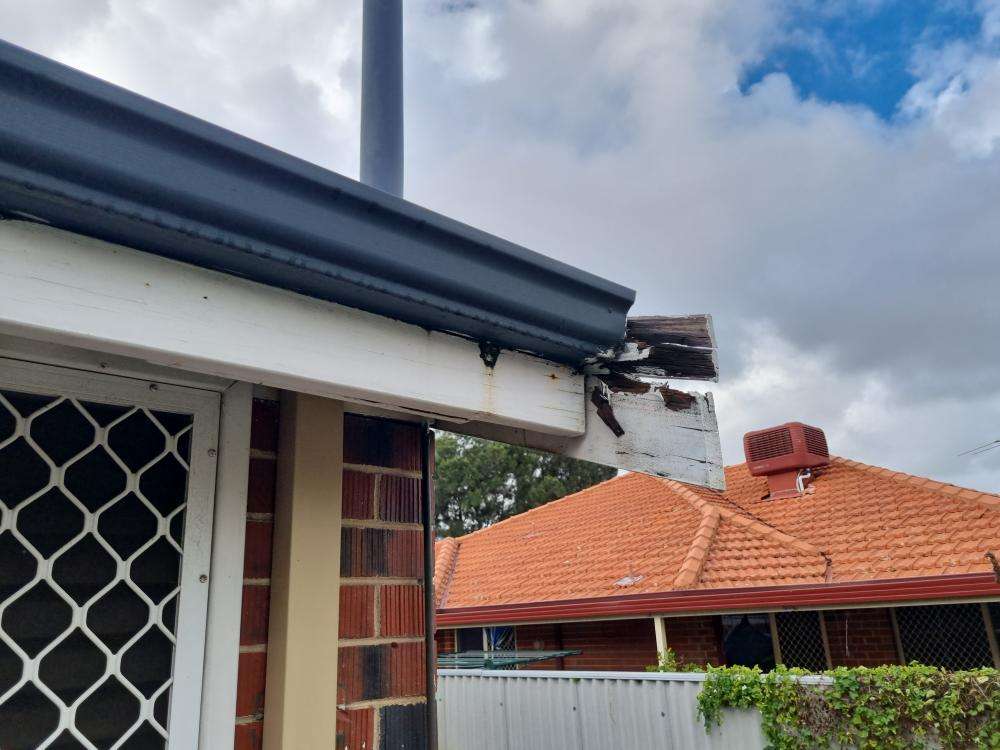
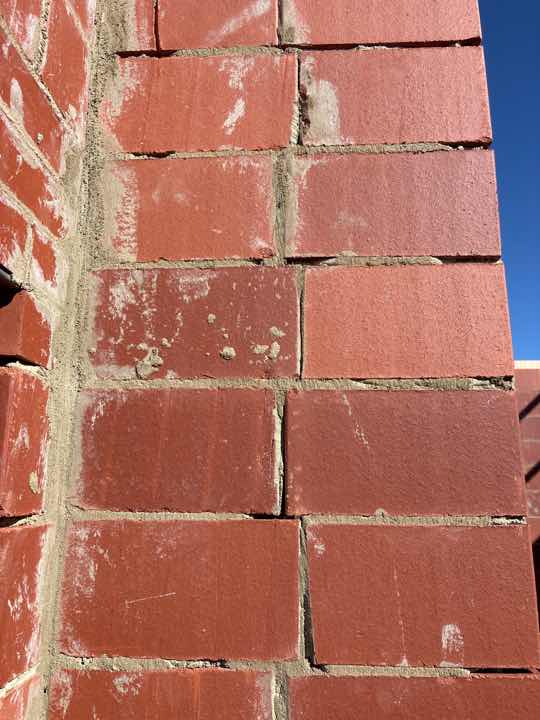
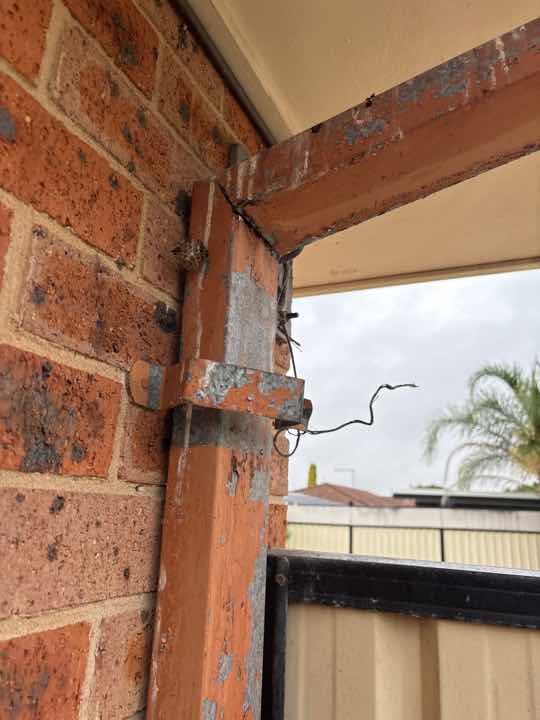
Built to last. Inspected to be SURE.
One inspection, twelve months of advice, and the same person on the other end of the phone every time you call. That is the part you do not see on the brochure.
9,237 inspections · 242,618 defects found · Inspector-owned franchises