
Building Inspections in Tumbi Umbi, Central Coast

Common issues in Tumbi Umbi
Tumbi Umbi and surrounding suburbs
Tiles © Esri · Esri, HERE, Garmin, © OpenStreetMap contributors, and the GIS user community
Questions we hear about Tumbi Umbi
Why does ground moisture come up so often in Tumbi Umbi?
Because of what the land used to be. In Aboriginal times the area was known as a place of tall trees, a description of swamp land that has since been extensively drained and built out with housing. The suburb is flat, sitting at about seven metres on the shores of Tuggerah Lake with a creek feeding into it. Drained lowland is the textbook setting for a high water table under a house, so an inspector goes to the subfloor first: how wet the soil is, whether air is moving, and what condition the bearers and joists are in.
Is the ground moisture issue a finding about my house or a general point about Tumbi Umbi?
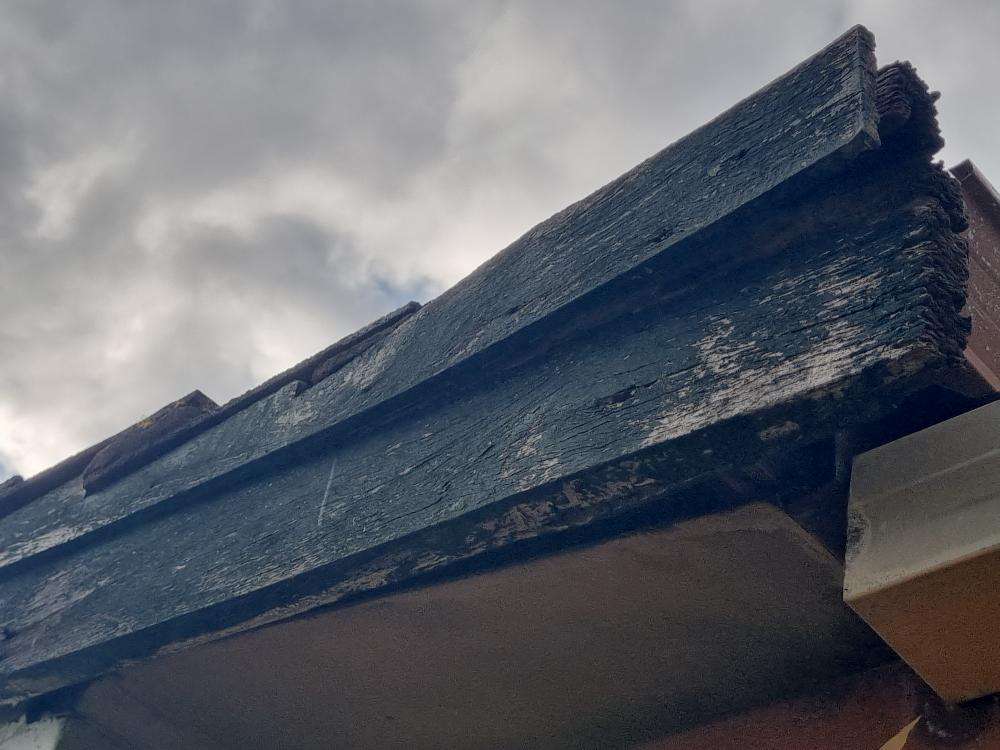
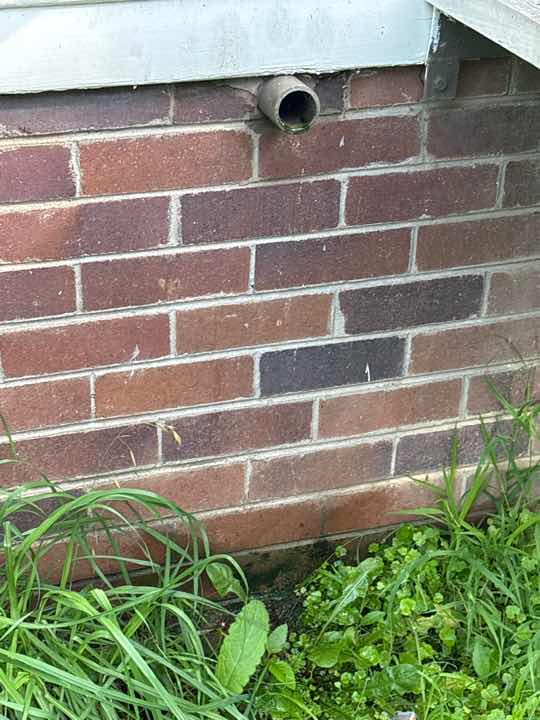
A general point, and worth being precise about. We hold no inspection report at a Tumbi Umbi address. What we do hold are reports two and four kilometres away at Chittaway Bay and Long Jetty, and those record the chain you'd expect on this ground: damp and wet subfloor conditions, timber in contact with soil, restricted subfloor access, high termite risk due to environmental surrounds, and rot in fascia and bargeboards. That's why the inspector prioritises the subfloor here. Your report will describe your property.
Tumbi Umbi is partly semi-rural. Does that change the inspection?
Yes. Tumbi Umbi has two distinct parts: an urbanised strip along Wyong Road near the neighbouring suburbs, and a more rural portion around Tumbi Road and Palm Valley Road with larger properties. Acreage blocks mean outbuildings, longer driveways, retaining structures, tanks and sometimes a second dwelling, all of which need to be named in the scope before the day so the time allowed matches the job. Tell us what's on the block when you book.
What can actually be done about a high water table?
You can't lower the district water table, but you can stop making it worse and you can help the subfloor dry. Start at the roof and get the downpipes and overflows into a stormwater line. Then re-grade so the ground falls away from the walls, clear and increase the subfloor vents, and take out timber debris and anything sitting in soil contact under the floor. Ground barriers and subsoil drainage are the last step, once that cheaper work is done. Repairing decayed timber before fixing the water just resets the clock.
We're looking at Glengara Retirement Village. Is that a different inspection?
The scope changes. Glengara Retirement Village is here, and in village stock you are usually buying the dwelling rather than the building it sits in, so the roof, the external walls, the common paths and the shared services generally aren't yours. What our AS 4349.1 inspection covers is the accessible part you do own: interior, wet areas, joinery and finishes, and any external fabric attached to your dwelling. For everything else, the village contract and the operator's records are the documents to get, and they're worth reading next to the report.
How much notice do you need to book a Tumbi Umbi inspection?
Book as soon as your offer is accepted. Same-day turnaround is what we aim for, subject to access and availability, and the report comes by email. Subfloor entry adds time on site and larger properties add more. Send us the address, your cooling-off dates and the agent's contact, and ask them to have the subfloor hatch and roof manhole accessible on the day.
More areas near Tumbi Umbi
Real defects our inspectors have flagged
Built to last. Inspected to be SURE.
One inspection, twelve months of advice, and the same person on the other end of the phone every time you call. That is the part you do not see on the brochure.
9,237 inspections · 242,618 defects found · Inspector-owned franchises