
Building Inspections in Bondi, Sydney
Stock profile · ABS 2021 Census
What’s here in Bondi
- Separate houses
- 15.2%
- Semi-detached / townhouse
- 22.8%
- Flats & apartments
- 62.0%
4,980 occupied private dwellings
Local profile · ABS 2021 Census
Who lives in Bondi
- Median age
- 33yrs
How Bondi
was built
Bondi's modern form was shaped by the 1884 tram line to Bondi Beach, which triggered a subdivision boom in the 1890s-1920s that produced the dense grid of semi-detached cottages and interwar flats you see today. Post-war migration drove a second wave of three and four-storey walk-up red-brick apartments across the 1950s-60s, and the beach precinct added boutique and ocean-facing developments from the 1990s onward. Heritage controls now cover much of the older stock, which keeps streetscapes intact but adds complexity for renovators. The suburb borders the Pacific in a narrow beach-facing amphitheatre, and Bondi Road and Campbell Parade remain the main retail spines.
What makes Bondi worth it
-
One of Australia's most recognised beaches
Year-round lifestyle amenity with swimming, coastal walks, and the iconic Icebergs pool.
-
Strong long-term capital growth
Limited supply and heritage controls support values through market cycles.
-
Bondi Junction transport hub
Train and bus connections to the CBD within minutes, plus Westfield retail.
-
Resilient rental market
Tourism and young-professional demand keeps vacancy low and rents steady.
-
Diverse stock from 1920s semis to premium apartments
Interwar terraces, 1960s walk-ups, and modern ocean-facing developments across multiple price points.
Meet Rod Ismail
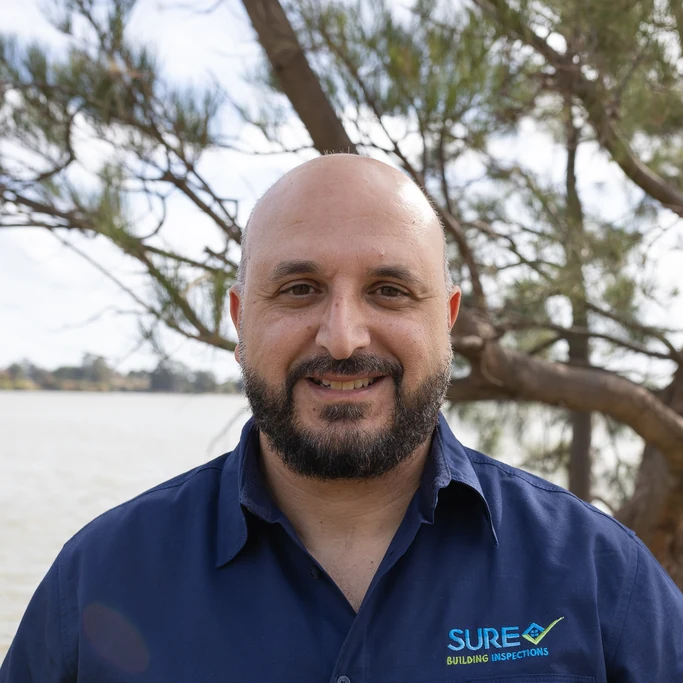
The SURE Sydney team is preparing Eastern Sydney coverage for Bondi, Coogee, Randwick, and the wider eastern beaches corridor. The local inspection scope is focused on salt spray, strata defects, and heritage terrace risk. - Territory: Sydney Eastern Suburbs - Launch state: inspector recruitment and waitlist - Specialisations: Salt spray corrosion, strata building envelopes, heritage terraces - Direct line: 1300 787 327 Register for the Sydney waitlist and we will email you when an inspector is available in Bondi.
Local risks in Bondi
Bondi's modern form was shaped by the 1884 tram line to the beach, which triggered a subdivision boom that produced the dense grid of semis and interwar flats you see today. But the real enemy here isn't age, it's salt. Bondi sits in a narrow beach-facing amphitheatre, and every sea breeze carries salt aerosol into steel lintels, concrete balconies, and timber window frames. The thing about Bondi salt is it doesn't sleep. It works 24/7, 365 days a year. For Bondi stock, the page guidance focuses on: - Salt spray corrosion on balconies: steel reinforcement in older concrete balconies rusts, expands, and spalls the concrete. Typical repair: $5,000–$25,000 per balcony. - Strata building envelope defects: 1960s–70s walk-ups commonly show rusting soffits, spalling slab edges, and failed waterproofing. Typical repair: $8,000–$40,000+ (often special levied across strata). - Heritage terrace structural wear: interwar semis carry rising damp in rendered brick, failed damp-proof courses, and timber decay in original window frames. Typical repair: $3,000–$15,000. Heritage controls cover much of the older stock, which keeps streetscapes intact but adds complexity for renovators.
Common issues in Bondi
Inspecting
Bondi homes
Bondi's salt-laden coastal air is the single most important context for a building inspection here. Corrosion of steel balcony balustrades, lintels, and reinforcement in older concrete is the dominant defect pattern on apartment stock. 1960s-70s walk-ups often show rusting through soffits and spalling concrete slab edges, while interwar semis can carry rising damp in rendered brick at the ground-floor perimeter. Sandstone bedrock makes slab movement rare but adds complications where retaining walls or stepped footings were cut into rock. Timber window frames on beach-facing elevations decay fast, expect to budget for joinery replacement on anything pre-1990. A combined building and timber pest inspection is prudent on any older property.
Bondi and surrounding suburbs
Tiles © Esri · Esri, HERE, Garmin, © OpenStreetMap contributors, and the GIS user community
Questions we hear about Bondi
How much does a building inspection cost in Bondi?
Sydney is still in pre-launch for SURE. The indicative pricing cards on this page show the from-pricing structure SURE uses for building, timber pest, and combined inspections; final Bondi availability is confirmed through the Sydney waitlist.
How quickly can you inspect in Bondi?
Bondi is currently a Sydney waitlist suburb. Register your property details and we will email you when an Eastern Sydney inspector is available.
What defects are common in Bondi?
Salt spray corrosion of steel reinforcement in older concrete balconies and soffits, strata building envelope defects in 1960s–70s walk-ups, and heritage terrace issues including rising damp and timber decay. Each property type has a different risk profile.
Do you inspect apartments in Bondi?
Apartments and semis dominate Bondi's housing stock, so the Eastern Sydney inspection scope is designed around strata apartments, balcony waterproofing, concrete spalling, and envelope defects. A strata records review is strongly recommended because many buildings have deferred maintenance or pending special levies.
Can I attend the inspection?
Yes, once Bondi bookings are live. SURE encourages buyers to attend so the inspector can walk through salt corrosion indicators and explain which defects are urgent versus cosmetic.
Real defects our inspectors have flagged
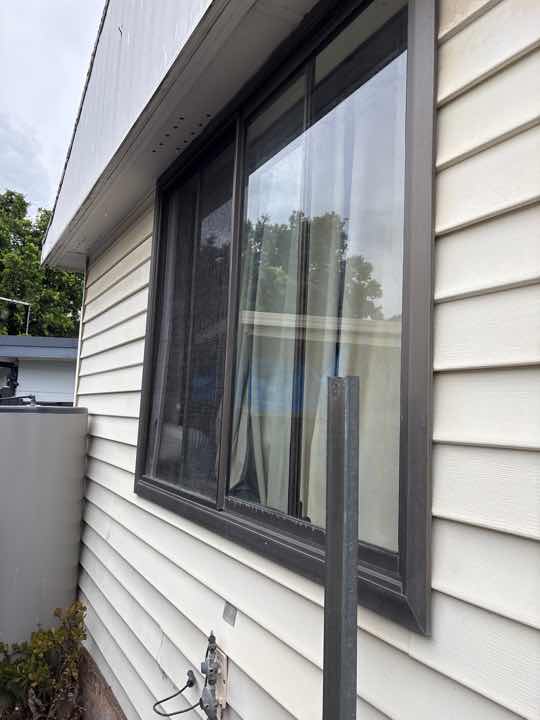
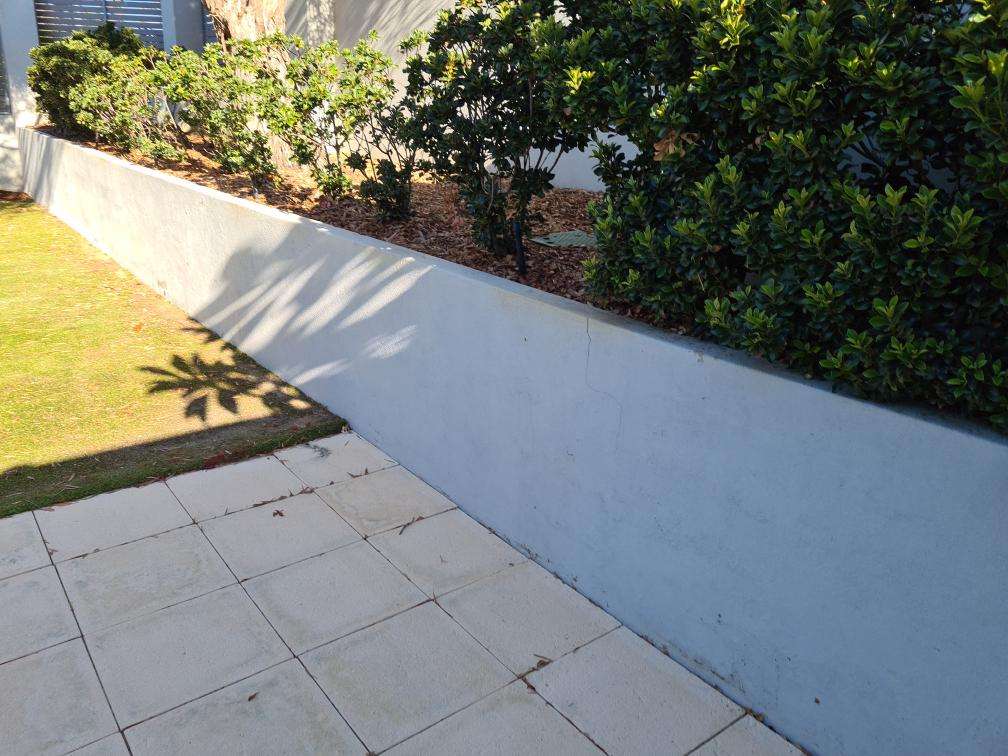
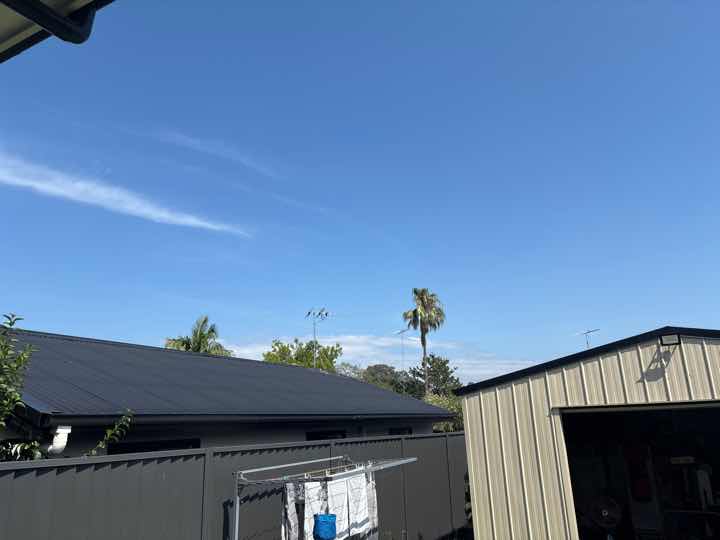
Built to last. Inspected to be SURE.
One inspection, twelve months of advice, and the same person on the other end of the phone every time you call. That is the part you do not see on the brochure.
9,237 inspections · 242,618 defects found · Inspector-owned franchises