
Building Inspections in Randwick, Sydney
Stock profile · ABS 2021 Census
What’s here in Randwick
- Separate houses
- 38.5%
- Semi-detached / townhouse
- 16.2%
- Flats & apartments
- 45.3%
12,800 occupied private dwellings
Local profile · ABS 2021 Census
Who lives in Randwick
- Median age
- 34yrs
How Randwick
was built
Randwick developed as a Victorian-era residential suburb around the racecourse and the 1870s tram line, and filled out with Federation and interwar stock through the early twentieth century. Mid-century apartment blocks, typically three-storey walk-ups, appeared across the 1950s-70s and remain a dominant stock type. The Prince of Wales Hospital precinct anchors major medical employment, and the L2 light rail (opened 2019) restored direct rail access to the Sydney CBD. Randwick Racecourse remains a dominant landmark and constraint.
What makes Randwick worth it
-
Eastern suburbs lifestyle with light rail to CBD
Eastern suburbs lifestyle with light rail to CBD.
-
Prince of Wales Hospital and UNSW within the suburb
Prince of Wales Hospital and UNSW within the suburb.
-
Mix of Federation family homes
Walk-up apartments, and modern stock.
-
Beachside access to Coogee, Clovelly, and Bondi within 3 km
Beachside access to Coogee, Clovelly, and Bondi within 3 km.
-
Strong long-term capital growth
Strong long-term capital growth.
Meet Rod Ismail
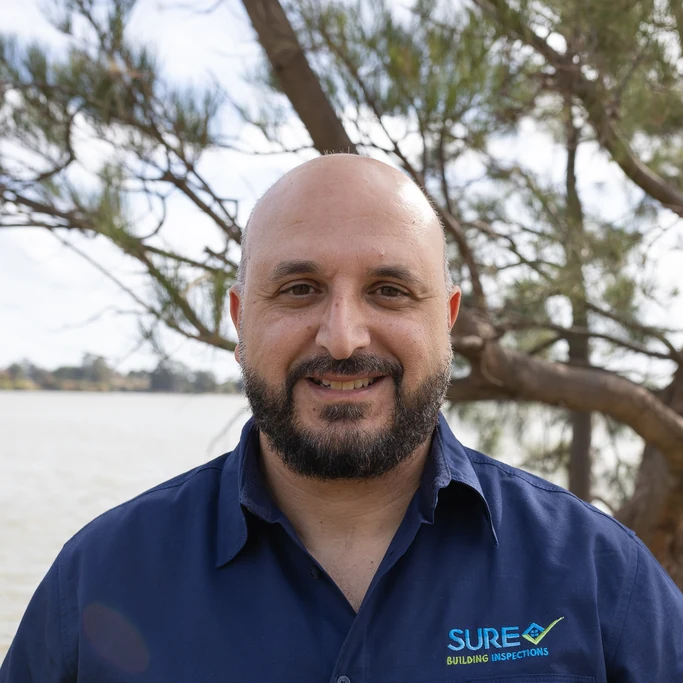
The SURE Sydney team inspects Randwick and the broader eastern suburbs corridor, Bondi, Coogee, and Maroubra included. The team works across Randwick's three distinct stock types: the Federation and interwar cottages in the side streets, the 1950s-70s walk-up apartment blocks near the hospital precinct, and the more recent 2010s mid-rise towers along Belmore Road. - Territory: Sydney Eastern Suburbs
Local risks in Randwick
Randwick's residential fabric is older than most eastern suburbs buyers expect. The suburb was settled in the 1870s around the racecourse and the horse-drawn tram line, and the core residential streets filled with Federation and interwar stock well before World War II. That stock sits on a sandy sandstone overlay, Hawkesbury sandstone beneath, with a variably thick zone of sandy fill that can hold water against rendered brick walls. In Randwick, that combination produces a predictable pattern: salt efflorescence on internal plaster, decayed damp-proof courses, and rising damp in the lower storey of many cottages. The suburb is inland enough that direct salt aerosol is moderate rather than severe, but it remains a factor on western-facing elevations toward Coogee and on exposed apartment balconies. In Randwick, we see a lot of: - Rising damp in sandstone and rendered brick foundations: original lime-mortar construction wicks ground moisture upward when the damp-proof course (required under BCA Part 3.3.4) has failed or was never installed. Typical repair: $3,500-$12,000 depending on wall length and treatment method. - Outdated stormwater drainage: Randwick's Victorian-era drain infrastructure discharges to kerb or to ageing terracotta lines that block with root intrusion. Sydney Water easements complicate repair. Typical repair: $2,000-$8,000. - Concrete balcony corrosion on mid-century apartment stock: 1950s-70s walk-ups built near Prince of Wales Hospital show the same pattern as Bondi and Coogee: chloride ingress, rebar corrosion, and spalling slab edges. Under AS 3600 durability requirements, these need engineering assessment before the strata can remediate. Typical repair: $5,000-$25,000 per balcony, typically levied across the strata. The 2010s mid-rise apartments around Belmore Road and the hospital precinct bring a different set of risks: waterproofing and fire-safety defects from volume construction, and BCA compliance gaps in basement carparks. For these, a strata records review to check the capital works fund, major-works history, and any outstanding defect claims is as important as the physical inspection.
Common issues in Randwick
Inspecting
Randwick homes
Randwick's Federation and interwar cottages on sandy sandstone-overlay soils show the usual eastern-suburbs pattern: cracked sandstone footings, rising damp in rendered walls, and timber-window corrosion from salt-laden air (inland enough to be moderate but still a factor). 1950s-70s walk-up apartment stock commonly has concrete balcony corrosion and ageing flat roofs needing strata-level remediation. Check strata records for major-works history on any apartment. Hospital-precinct apartments from 2010s onward can carry waterproofing and fire-safety defects.
Randwick and surrounding suburbs
Tiles © Esri · Esri, HERE, Garmin, © OpenStreetMap contributors, and the GIS user community
Questions we hear about Randwick
What building era dominates in Randwick?
Federation and interwar cottages (1900-1940), 1950s-70s walk-up apartment blocks, and some 2010s-onward mid-rise near the hospital precinct.
Are there coastal corrosion issues in Randwick?
Yes, moderate, Randwick is inland of Coogee and Clovelly, but salt aerosol still affects window frames, balustrades, and exposed steel on older stock.
Which type of inspection do I need for a Randwick property?
Comprehensive for Federation. Combined building and pest for cottages. High-rise apartment plus strata records for apartments.
How quickly can SURE book an inspection in Randwick?
24-48 hours typical. Call 1300 787 327.
What's the typical inspection cost for a Randwick property?
3-bedroom combined $610, comprehensive $720, high-rise apartment from $550.
Real defects our inspectors have flagged
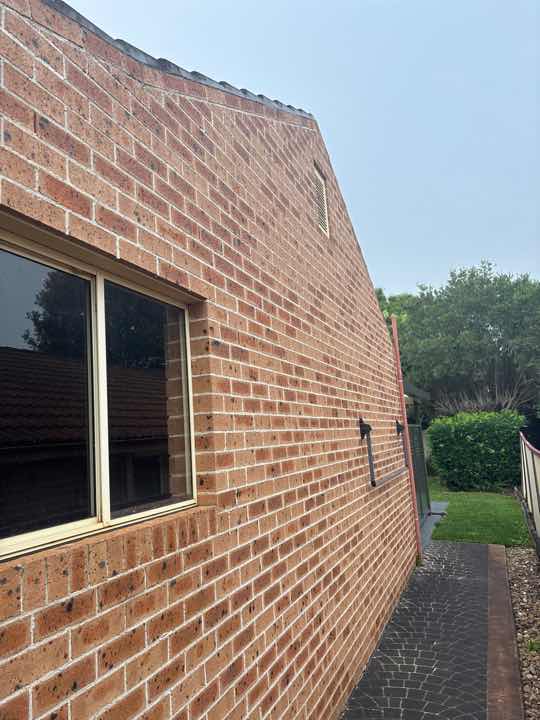
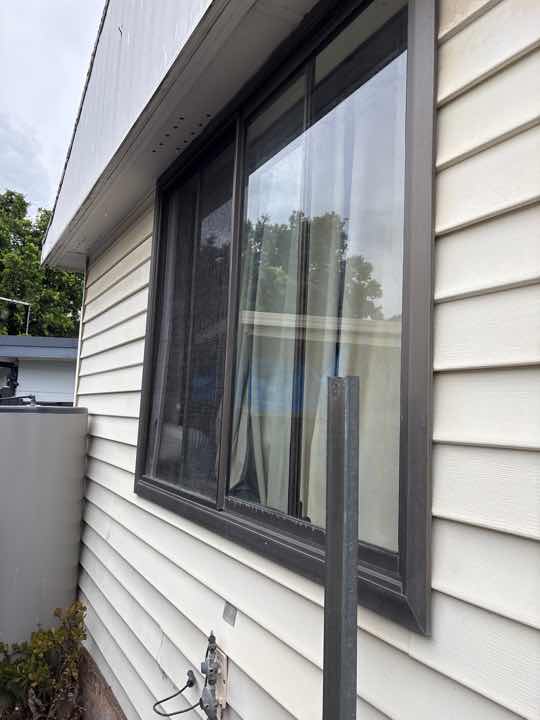
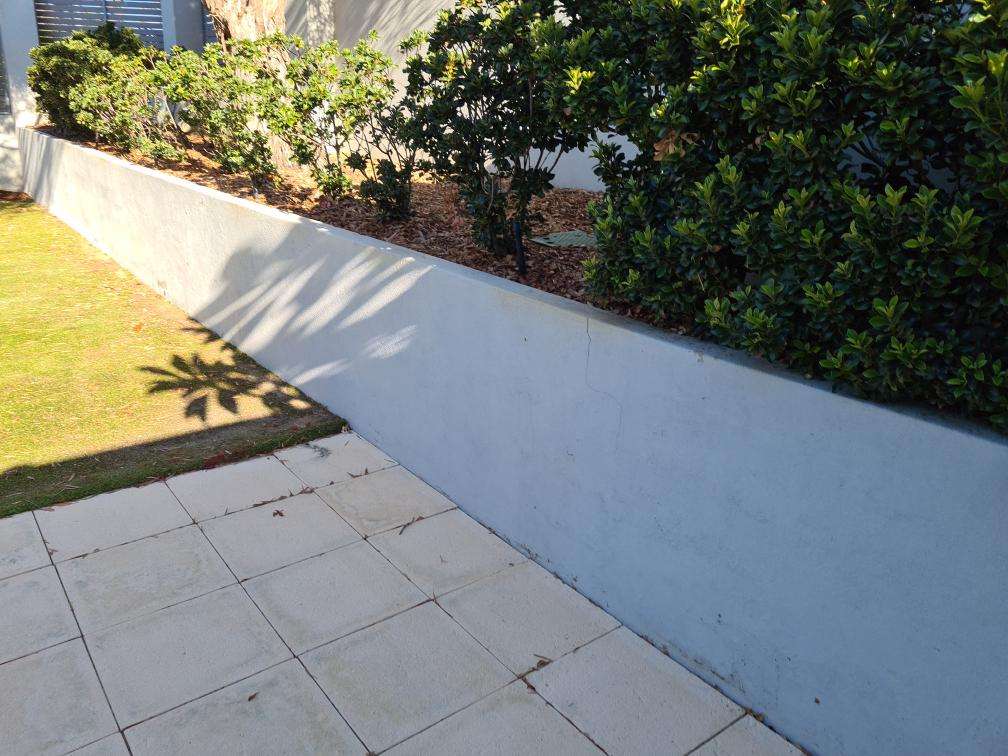
Built to last. Inspected to be SURE.
One inspection, twelve months of advice, and the same person on the other end of the phone every time you call. That is the part you do not see on the brochure.
9,237 inspections · 242,618 defects found · Inspector-owned franchises