
Building Inspections in Caringbah, Sydney
Stock profile · ABS 2021 Census
What’s here in Caringbah
- Separate houses
- 62.1%
- Semi-detached / townhouse
- 12.3%
- Flats & apartments
- 25.6%
4,520 occupied private dwellings
Local profile · ABS 2021 Census
Who lives in Caringbah
- Median age
- 39yrs
How Caringbah
was built
Caringbah grew as a post-war residential suburb serving Sutherland Shire's expanding population, with 1950s-70s brick veneer homes filling large family blocks. Sutherland Hospital, opened 1958, has remained a dominant local employer. More recent decades have seen townhouse and duplex infill, particularly along the main arterials, while the outer streets retain single-dwelling family housing with established tree canopy. Port Hacking is 1-2 km south; the foreshore is bushland reserve.
What makes Caringbah worth it
-
Sutherland Shire family suburb with
Hospital and school infrastructure.
-
T4 rail to Sydney CBD in 40 minutes
T4 rail to Sydney CBD in 40 minutes.
-
Port Hacking and Royal National Park within 10 km
Port Hacking and Royal National Park within 10 km.
-
Mix of older family homes and newer townhouses
Mix of older family homes and newer townhouses.
-
Strong middle-ring suburban capital growth
Strong middle-ring suburban capital growth.
Meet Rod Ismail
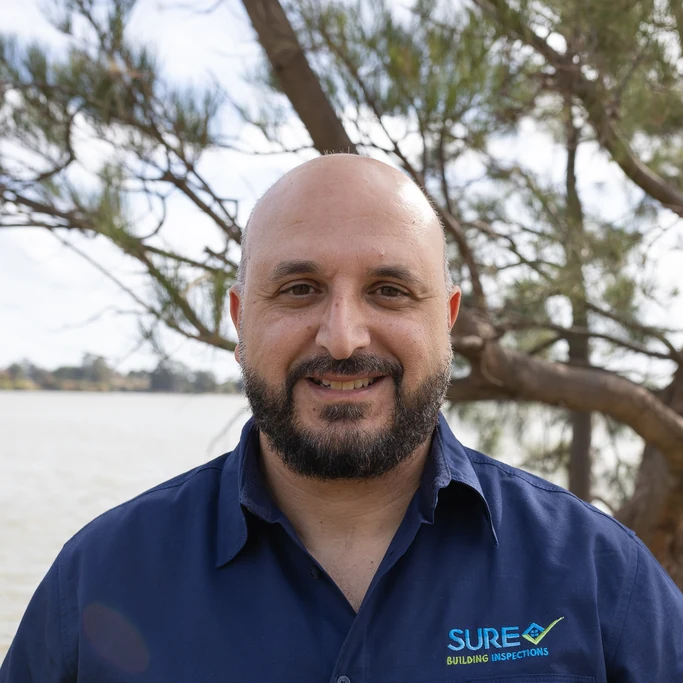
Our Sutherland Shire inspector, the SURE Sutherland Shire team, covers Caringbah, Cronulla, Miranda, and Hurstville. Post-war brick veneer and the sandstone-shale boundary of the Shire is the team's home territory, with specific experience in the bushland-interface termite corridor along the Port Hacking foreshore. - Territory: Sutherland Shire - Inspector: the SURE Sutherland Shire team
Local risks in Caringbah
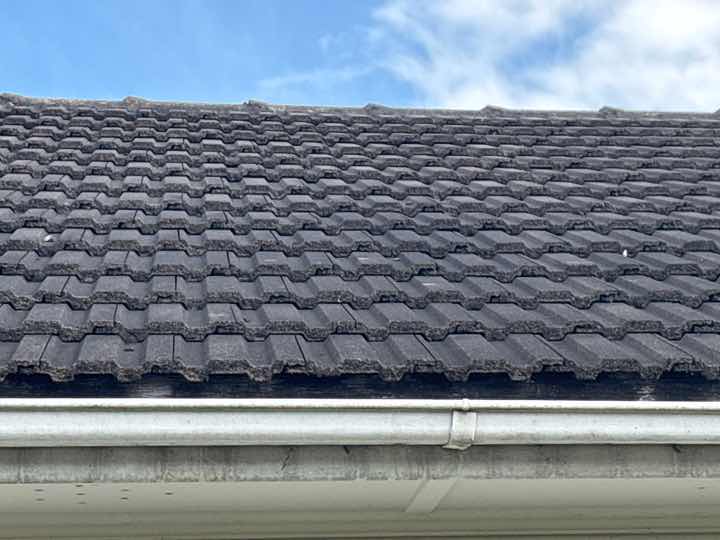
Caringbah grew as a classic Sutherland Shire post-war suburb, with 1950s-70s brick veneer homes on generous family blocks following the opening of Sutherland Hospital in 1958 and the extension of the T4 rail line. The suburb sits on Hawkesbury sandstone, generally the most stable foundation geology in the Shire, meaning slab movement and cracking from reactive clay is less prevalent here than in the shale-dominated north. However, the sandstone geology does nothing to buffer the coastal salt air that tracks inland from Gunnamatta Bay and Port Hacking, which sits just 1-2 km to the south and creates measurable corrosive aerosol exposure across the southern half of the suburb. In Caringbah, we see a lot of: - Ageing brick construction defects: 1950s-70s brick veneer shows cracked mortar beds, failed cavity ties, and movement cracking at window heads, particularly where original clay-brick construction has been partially rendered. Repointing and tie replacement typically $2,000-7,000 (AS 3700-2018 masonry structures governs mortar and tie specification). - Moisture issues near waterways: properties within 500 m of Gunnamatta Bay and Port Hacking tributaries show elevated subfloor humidity, rising damp at the base of external walls, and degraded damp-proof courses. Remediation typically $3,000-8,000 depending on wall length affected (BCA Part 3.5.1 waterproofing requirements apply to any remedial work). - Roof tile wear and leak paths: concrete and terracotta tiles from the 1960s-70s era are commonly brittle, with cracked nibs, failed pointing on ridges, and perished lead flashings around chimneys and vents. Full tile-and-pointing restoration typically $5,000-14,000 depending on roof pitch and area. More recent townhouse and duplex infill from the 1990s onward, particularly along Port Hacking Road, introduces a different defect profile: balcony waterproofing failures, party-wall acoustic deficiencies, and inadequate stormwater discharge. Strata records review is recommended for any post-1990 attached dwelling before exchange.
Common issues in Caringbah
Inspecting
Caringbah homes
Caringbah's sandstone subsoil gives sound foundation conditions. 1950s-70s brick veneer stock shows the typical pattern of tile-roof age issues, cornice movement, and ageing flashings. Termite pressure around the Port Hacking bushland interface is material. Large mature trees on established blocks drive root ingress to older sewer and stormwater pipes. Newer townhouse stock from the 1990s onward can carry waterproofing, balcony-junction, and party-wall acoustic defects; strata records review matters.
Caringbah and surrounding suburbs
Tiles © Esri · Esri, HERE, Garmin, © OpenStreetMap contributors, and the GIS user community
Questions we hear about Caringbah
What building era dominates in Caringbah?
Post-war (1950s-70s) brick veneer on large family blocks, with 1990s-onward townhouse and duplex infill.
Are there soil issues specific to Caringbah?
Sandstone bedrock is generally sound. Bushland interface brings moderate termite pressure and bushfire risk for southern-edge properties.
Which type of inspection do I need for a Caringbah property?
Combined building and pest for houses. Townhouse strata + building for attached stock.
How quickly can SURE book an inspection in Caringbah?
24-48 hours typical. Call 1300 787 327.
What's the typical inspection cost for a Caringbah property?
3-bedroom combined $610, comprehensive $720.
More areas near Caringbah
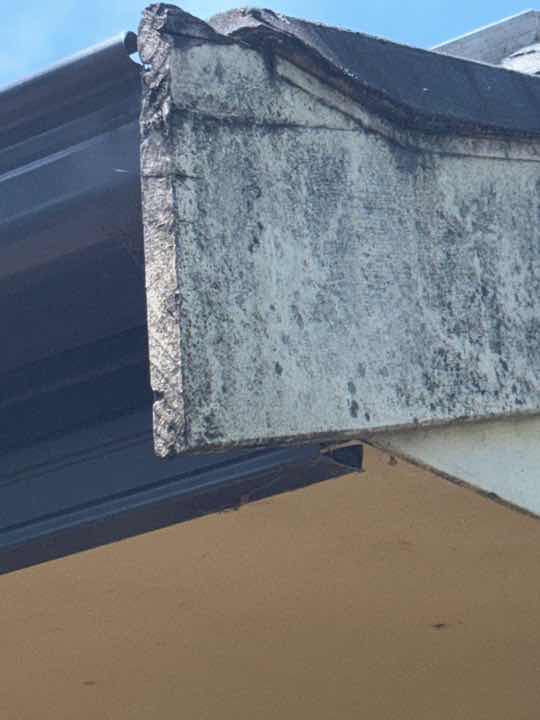
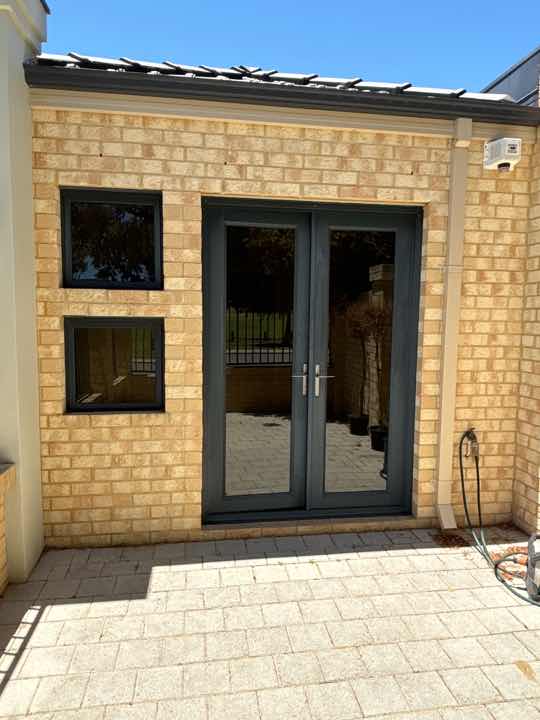
Real defects our inspectors have flagged
Built to last. Inspected to be SURE.
One inspection, twelve months of advice, and the same person on the other end of the phone every time you call. That is the part you do not see on the brochure.
9,237 inspections · 242,618 defects found · Inspector-owned franchises