
Building Inspections in Miranda, Sydney
Stock profile · ABS 2021 Census
What’s here in Miranda
- Separate houses
- 58.5%
- Semi-detached / townhouse
- 14.2%
- Flats & apartments
- 27.3%
5,400 occupied private dwellings
Local profile · ABS 2021 Census
Who lives in Miranda
- Median age
- 40yrs
How Miranda
was built
Miranda developed as a Sutherland Shire residential suburb through the post-war era, with 1950s-70s brick veneer homes filling family blocks. Westfield Miranda, opened 1964 and expanded multiple times since, is one of Sydney's largest shopping centres and anchors regional retail. The 1970s-80s brought substantial townhouse and duplex development, and more recent decades have seen mid-rise apartment infill near the station and mall. Port Hacking bushland borders the southern edge.
What makes Miranda worth it
-
Sutherland Shire family suburb with major regional retail
Sutherland Shire family suburb with major regional retail.
-
T4 rail to Sydney CBD plus good bus network
T4 rail to Sydney CBD plus good bus network.
-
Sutherland Hospital 3 km east
Sutherland Hospital 3 km east.
-
Mix of family houses, townhouses, and modern apartments
Mix of family houses, townhouses, and modern apartments.
-
Port Hacking and Royal National Park within 5-10 km
Port Hacking and Royal National Park within 5-10 km.
Meet Rod Ismail
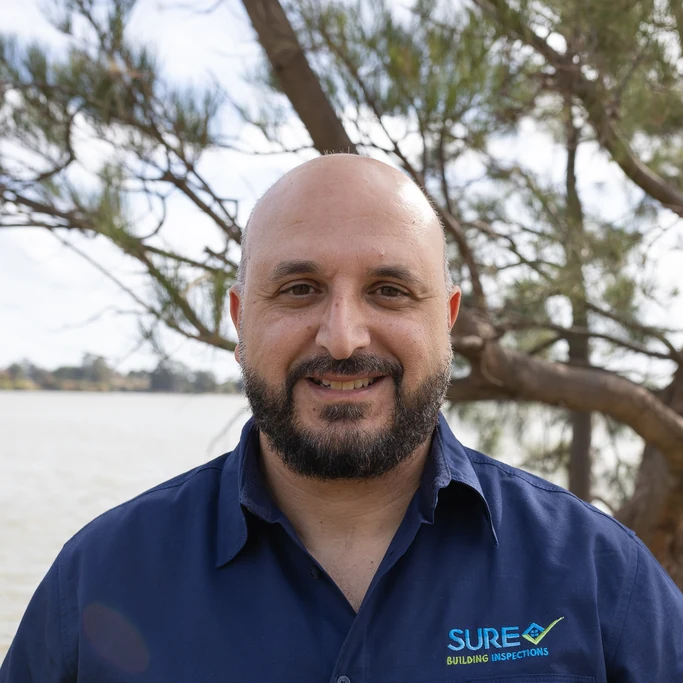
Our Sutherland Shire inspector, the SURE Sutherland Shire team, covers Miranda, Caringbah, Cronulla, and Hurstville. Miranda's mix of 1950s-70s brick veneer family homes and 1970s-90s townhouse stock is a core part of the team's territory, with specific experience in sandstone-founded properties and the Port Hacking bushland termite interface. - Territory: Sutherland Shire - Inspector: the SURE Sutherland Shire team
Local risks in Miranda
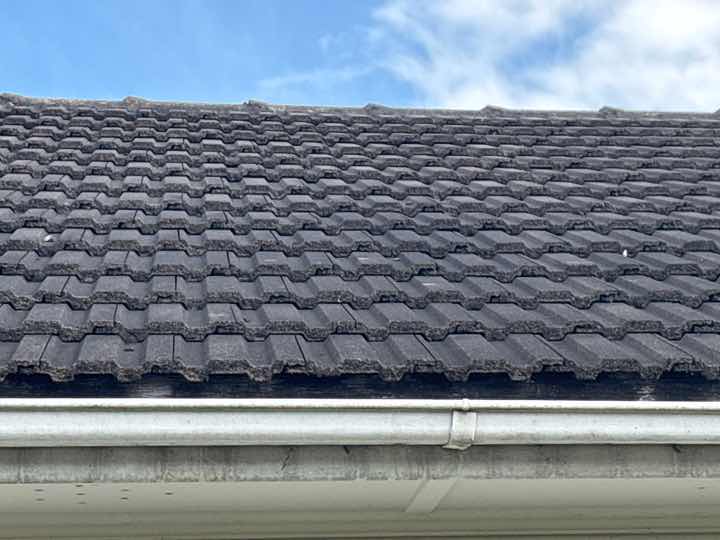
Miranda developed as a textbook Sutherland Shire residential suburb across the post-war decades, with 1950s-70s brick veneer homes on generous family blocks filling the grid around Westfield Miranda, opened in 1964 and one of the first regional shopping centres in Sydney. The suburb's Hawkesbury sandstone subsoil gives sound and largely stable foundation conditions compared to the Wianamatta shale found further north in Georges River, meaning classic reactive-clay slab cracking is less prevalent here. However the 1970s-80s townhouse infill that followed, particularly the attached and semi-detached strata stock along Kiora Road and the Captain Cook Drive frontage, introduced a layer of construction that predates modern waterproofing standards under the BCA. In Miranda, we see a lot of: - Foundation movement on reactive clay pockets: while sandstone dominates, localised clay fill over creek corridors and cut-and-fill sites can still produce Class M to H reactive behaviour under AS 2870-2011. External wall cracking at window heads and diagonal cracking from corners are the typical indicators; inspector differentiation between cosmetic seasonal cracking and progressive structural movement is essential. - Ageing roof tile condition: 1960s-70s concrete tiles show hairline cracking, broken nibs, and failed mortar ridging on hip sections. Lead flashing fatigue at chimneys and dormer junctions is common. Water ingress to ceiling cavities is the typical consequence. Rectification typically $4,000-13,000 depending on roof size and tile type. - Poor subfloor ventilation in 1950s-70s brick homes: the crawl space under bearer-and-joist subfloors on sandy or sandstone-based ground can still accumulate moisture where garden beds have been built up against the external wall, blocking subfloor vents. Timber decay in ground-level bearers and joists, and termite ingress from the bushland southern edge, are common outcomes (BCA Part 3.4.2 ventilation rates; AS 3660.1 termite management). The Port Hacking bushland borders Miranda's southern edge and creates a measurable termite pressure gradient, properties within 200-300 m of the reserve boundary consistently present higher evidence of subterranean termite activity and should be treated as elevated risk for timber pest inspection purposes.
Common issues in Miranda
Inspecting
Miranda homes
Miranda's sandstone-based subsoil gives sound foundation conditions. 1950s-70s brick veneer stock shows the usual pattern of concrete tile roof age and cornice movement. 1970s-80s townhouse stock can have ageing waterproofing, flashings, and strata-level roof remediation overdue, strata records check is important. Termite pressure at the Port Hacking interface is moderate. Mid-rise apartments near Westfield carry typical 2000s-2010s waterproofing and balcony-junction defects.
Miranda and surrounding suburbs
Tiles © Esri · Esri, HERE, Garmin, © OpenStreetMap contributors, and the GIS user community
Questions we hear about Miranda
What building era dominates in Miranda?
Post-war (1950s-70s) brick veneer, 1970s-90s townhouses, and 2000s-onward mid-rise apartments near the station.
Are there soil issues specific to Miranda?
Sandstone bedrock is generally sound. Bushland interface brings moderate termite pressure.
Which type of inspection do I need for a Miranda property?
Combined building and pest for houses. Strata records plus apartment inspection for strata stock.
How quickly can SURE book an inspection in Miranda?
24-48 hours typical. Call 1300 787 327.
What's the typical inspection cost for a Miranda property?
3-bedroom combined $610, comprehensive $720.
More areas near Miranda
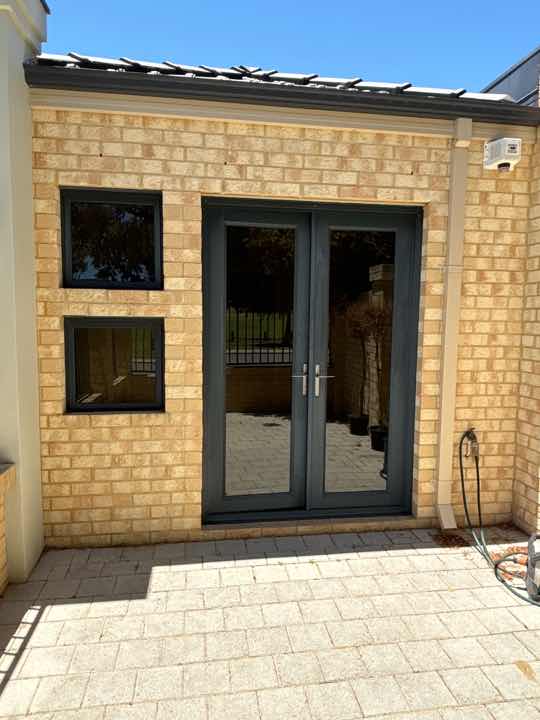
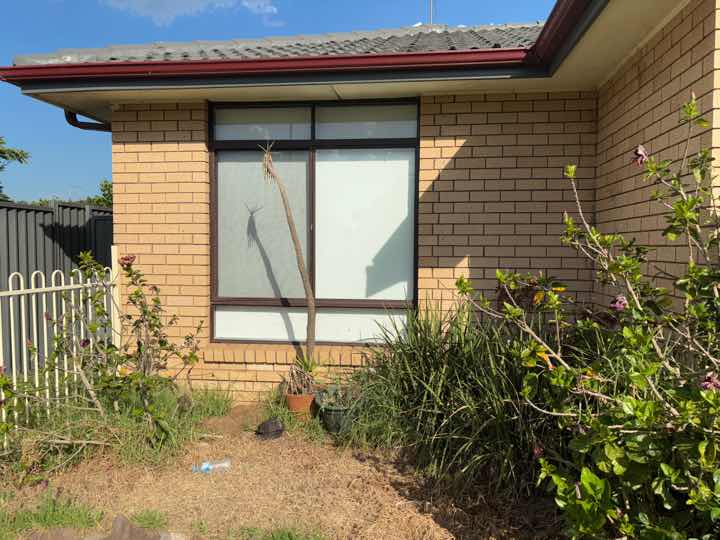
Real defects our inspectors have flagged
Built to last. Inspected to be SURE.
One inspection, twelve months of advice, and the same person on the other end of the phone every time you call. That is the part you do not see on the brochure.
9,237 inspections · 242,618 defects found · Inspector-owned franchises