
New Build Plate High Inspection
Walls up, roof not yet on, the last chance to verify framing before it's concealed.
- Same-day report (subject to access and availability)
- Upfront pricing
- 12 months free advice
On-site ~1.5hr · Report same day (subject to access and availability)

What's in your new build plate high inspection
Included
- Brickwork courses, plumb, and alignment
- Mortar joints, weep holes, and articulation joints
- Lintel installation over openings
- Damp-proof course and flashing inspection
- Window and door opening dimensions
- Top course and roof bearing preparation
- Written report with annotated photos

Our inspectors document every accessible element on site with photo evidence and severity ratings.
What this stage looks like
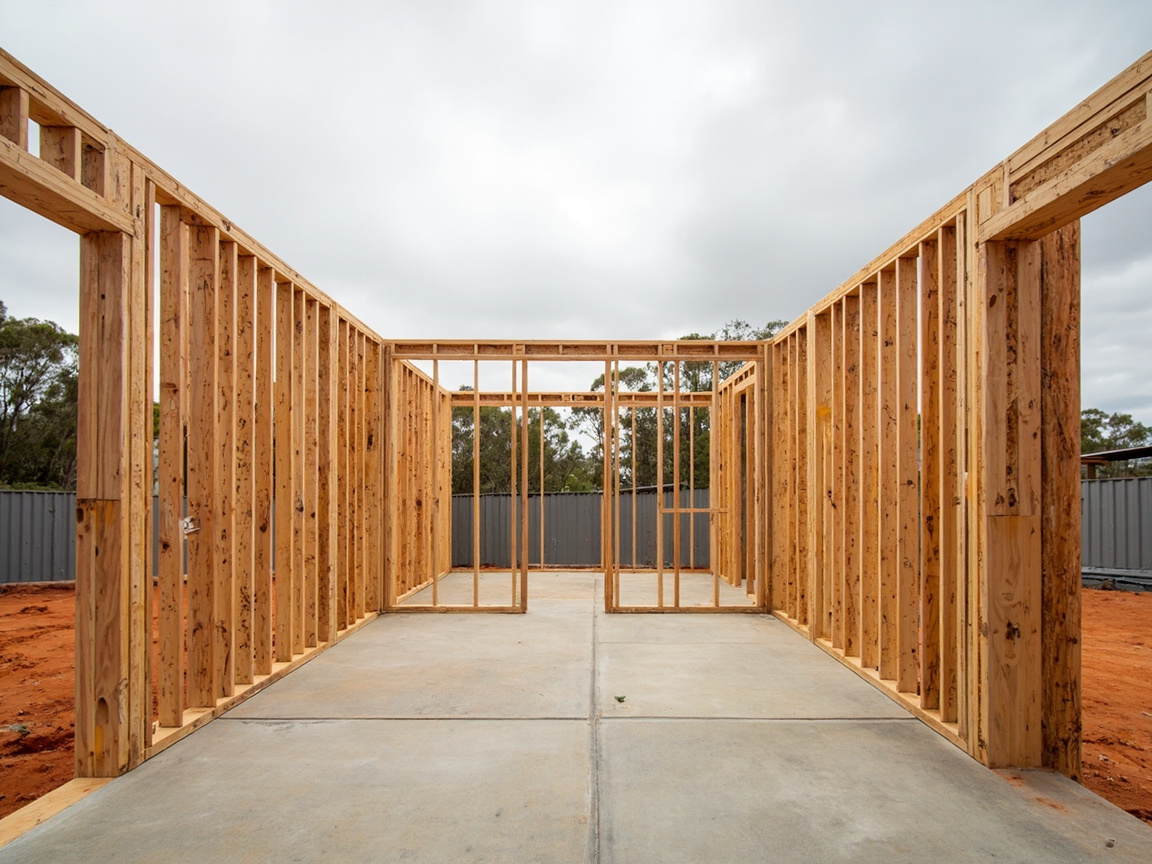
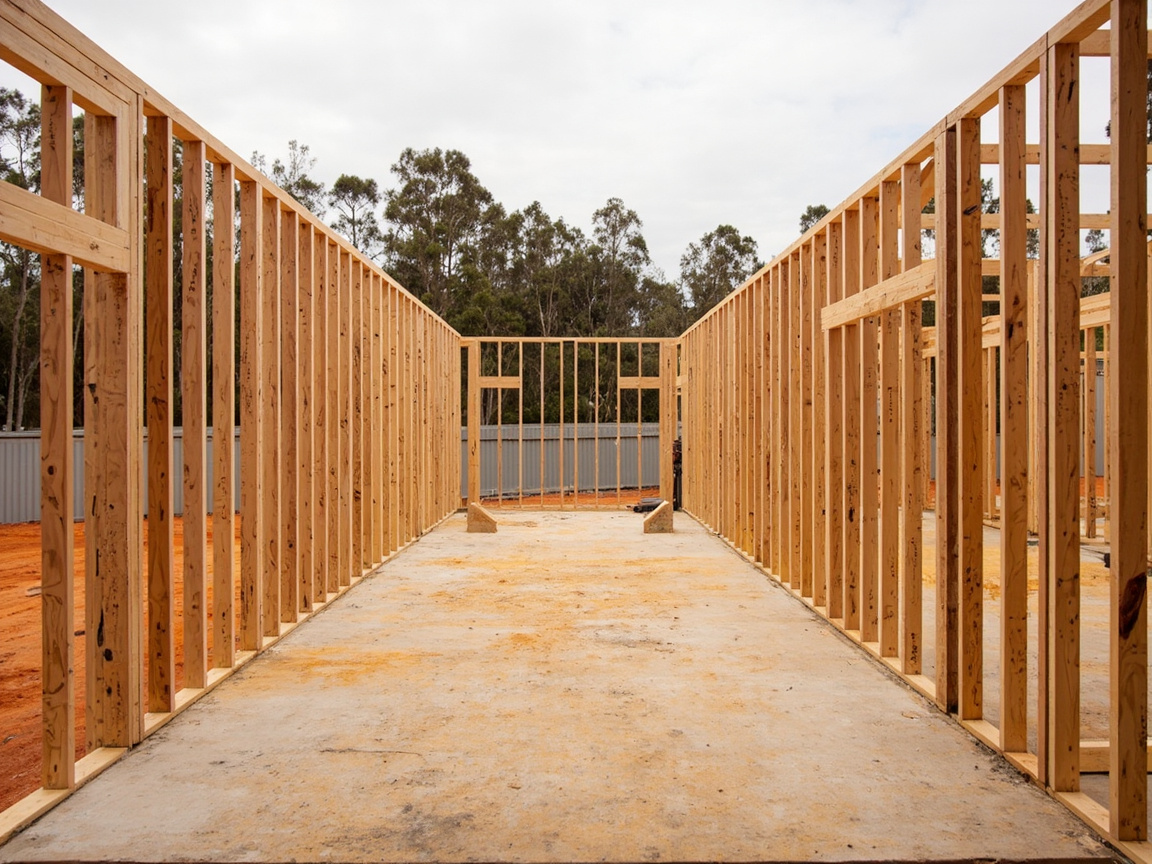
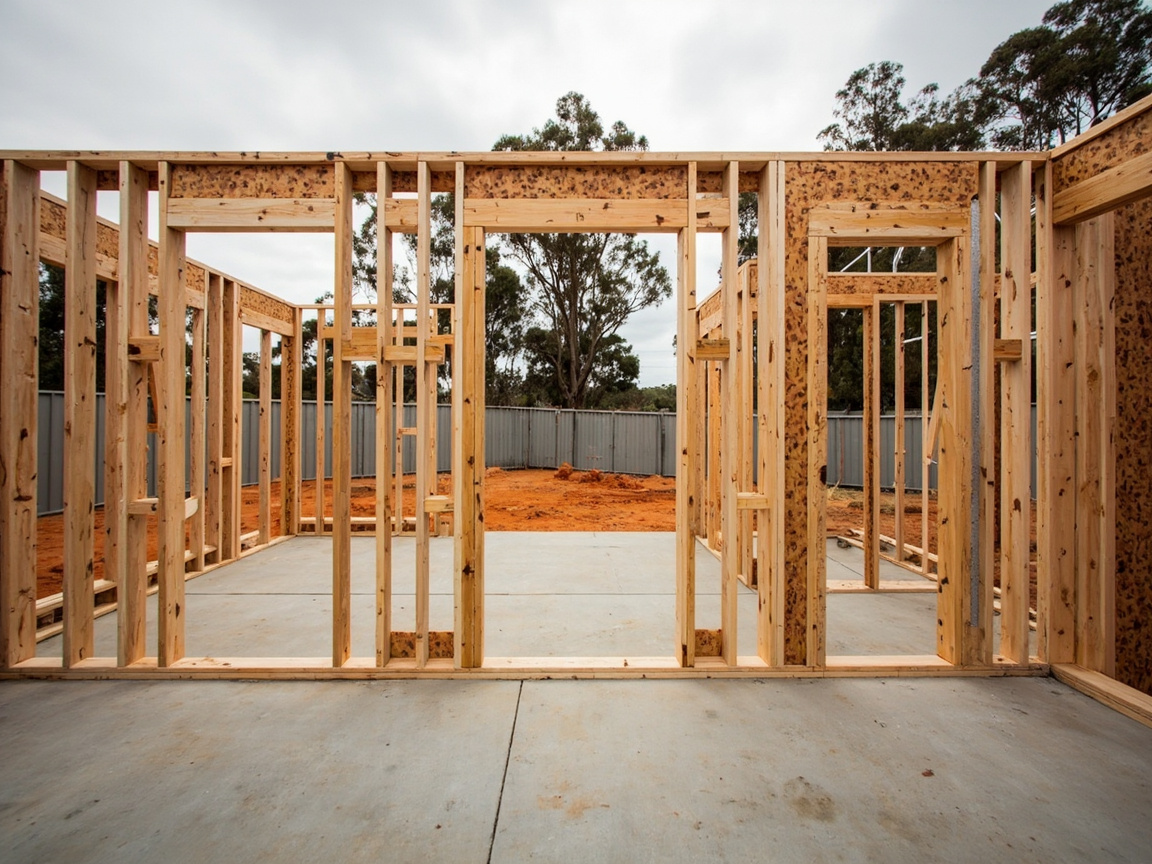
What we find when we walk a property
Every new build plate high inspection draws on the same indexed defect corpus, patterns our inspectors have catalogued across thousands of properties.
Across Perth and Sydney. Every report indexed.
Per property our inspectors document, photograph and severity-rate.
23,030 defects classified critical: items that affect structure, safety or value.
Source: SURE defect corpus, refreshed monthly
The process
- 1
Book when brickwork reaches top plate height
Schedule the inspection once brickwork is complete to plate height but before roof trusses are installed.
- 2
Inspector assesses all brickwork elements
Your SURE inspector covers brickwork plumb, mortar joints, lintels, articulation joints, weep holes, DPC, and window opening dimensions against approved plans.
- 3
Same-day report delivered
A detailed report with photos and findings is emailed the same day, subject to access and availability.
- 4
Builder addresses any items before roof frame
Brickwork defects identified at this stage can be corrected before the roof frame is installed, the most cost-effective point to do so.
See exactly what you get before you book
Our new build plate high inspection report includes annotated photos, severity ratings, AS 4349 references and actionable remediation advice. Written in plain language so you can act on it the day you receive it.
- Photo evidence per finding
- Severity rated: critical, moderate, cosmetic
- Australian Standards cross-referenced
- Remediation guidance you can quote
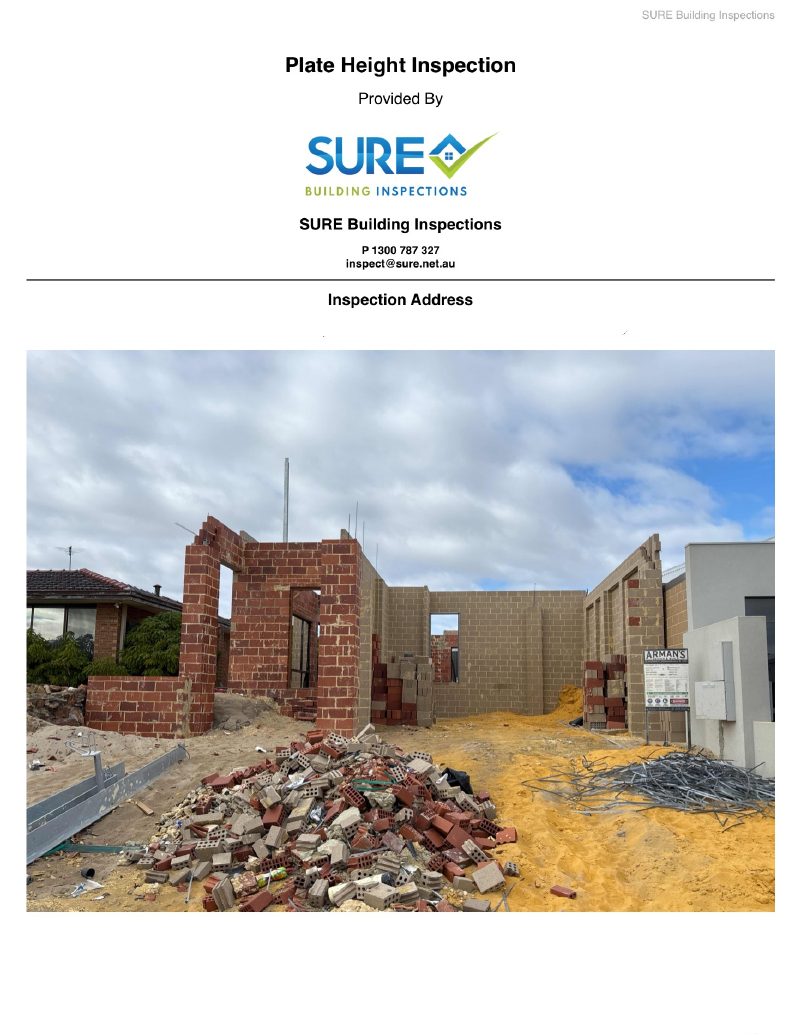
What our new build plate high inspections commonly find
Our DefectIndex documents inspection findings across Perth and Sydney. Browse the defect categories most relevant to this type of inspection.
About a new build plate high inspection
The plate high inspection is a stage inspection for double-brick construction. It happens once the brickwork has reached top plate / wall plate height, ready for the roof structure to bear on the walls, but before the roof trusses are installed. This is the optimal time to verify masonry quality, lintel installation, and damp-proof course detailing while everything is still accessible.
Our inspectors check brickwork plumb and alignment, mortar joint quality, lintel installation over openings, articulation joint placement, weep hole spacing and patency, damp-proof course continuity, and window and door rough opening dimensions against your approved plans. The top course of brickwork and the roof bearing details become partially or fully concealed once the roof goes on, making this the last practical opportunity to identify and correct masonry issues without expensive rework.
Plate high is not relevant to timber or steel-framed builds, those go through a frame inspection instead. Western Australian builds are predominantly double brick (so plate high is a standard stage in Perth), while Sydney builds are usually framed.
You might also need
About new build plate high inspection
What is a plate high inspection?
Plate high is a stage that applies to double-brick construction. It's conducted once the brickwork has reached top plate / wall plate height, ready for the roof structure to bear on the walls, but before the roof trusses are installed. It does not apply to timber or steel-framed homes; for framed builds, the equivalent stage is the frame inspection.
Does plate high apply to my build?
Only if your home is double brick. Western Australian builds are predominantly double brick, so plate high is a standard stage in Perth. Sydney builds are usually framed, so they go through a frame inspection instead. If you're unsure, check with your builder or call us, we'll confirm which inspection sequence fits your contract.
What's typically found at plate high stage?
Common findings include out-of-plumb brickwork, mortar joint variations, missing or misplaced articulation joints, inadequate weep holes, incorrect lintel installation over openings, missing or compromised damp-proof course, and incorrect window/door rough opening dimensions.
What does the inspection include?
Flashings and weep holes, mortar joints and masonry appearance, lintels, roof straps, wall ties, structural columns, internal dimensions, cracking in masonry, the wall cavity, level and plumb, and — where applicable — sub-floor construction and wall cladding.
Why inspect at plate high rather than waiting?
Once the roof goes on, the top course of brickwork, lintel details, and DPC become much harder to access and inspect. Plate high is the cleanest opportunity to verify masonry quality, confirm the build matches the approved plans, and check compliance with the Building Code of Australia before the roof structure permanently obstructs the view.