
Building Inspections in Blue Haven, Central Coast
Common issues in Blue Haven
Blue Haven and surrounding suburbs
Tiles © Esri · Esri, HERE, Garmin, © OpenStreetMap contributors, and the GIS user community
Questions we hear about Blue Haven
The house is only thirty years old. Do I really need an inspection?
Age tells you which defects to expect, not whether there are any. The inspection runs to AS 4349.1 either way. Blue Haven was established in 1991, converted from the old Blueridge Estate, and grew into a planned suburb of more than eighty streets. That means slab-on-ground, brick veneer and engineered roof framing rather than fibro and subfloors. The issues in that kind of stock are workmanship and site management: how the ground was graded, whether the slab edge is still visible, how the roof framing was braced and sarked, and where the downpipes actually go. Newer doesn't mean inspected.
Why does the slab edge matter so much on estate homes?
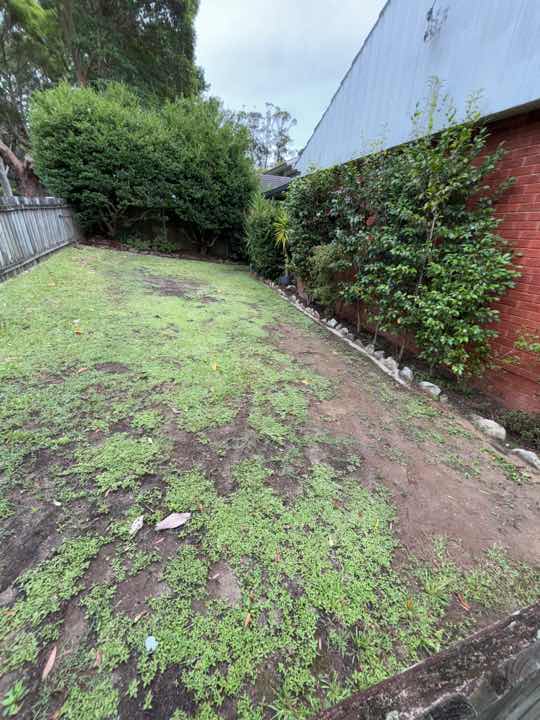
Because it's the main thing an inspector can visually check for termite entry, and on graded estate lots it's often buried. Once paving, a garden bed or added fill covers the slab edge, termites can bridge it out of sight and the inspector has to record the area as concealed. Our reports elsewhere on the Central Coast record exactly that: 'concealed slab edge' and 'unexposed slab edge for termite inspection' at multiple addresses. Exposing 75mm of slab edge is a gardening job. It's one of the cheapest risk reductions available to a homeowner here.
Blue Haven sits between two creeks. Does that affect the inspection?
It affects where the inspector spends time. The suburb is bounded by Spring Creek to the west and Wallarah Creek to the south, both draining to Tuggerah Lake, and it was developed out of bushland with wetland areas kept. The Wallarah Creek catchment is assessed as its own overland flooding catchment in the Tuggerah Lakes Floodplain Risk Management Study, separately from lake flooding. For the building, that means surface water control gets close attention: fall away from the slab, where downpipes discharge, and whether landscaping has redirected runoff toward the house.
What should I ask about the retaining walls?
Ask when they were built, whether they were engineered, and what's behind them. Planned estates on sloping ground are built as a series of cut-and-fill platforms, so retaining structures between lots are doing real work. An inspector looks for lean, bulging, cracking, blocked or missing drainage behind the wall, and any sign that the ground above has moved. At a nearby Central Coast property our inspector recorded retaining wall cracking at severity four. Walls over a certain height also carry approval requirements, which is a question for Council records rather than for us.
Do I need a timber pest inspection on a modern brick veneer home in Blue Haven?
Yes. Brick veneer over a slab isn't termite-proof, it just changes where the risk sits. The entry paths are the slab penetrations, the slab edge, weep holes bridged by garden beds, and any timber in soil contact around the property. What you should also ask for is the termite management documentation: the durable notice usually fixed in the meter box or under the sink, and any treatment records. Our reports elsewhere have recorded a lack of termite treatment documentation and a missing durable notice, and both are worth chasing before settlement.
How soon will I get the report after a Blue Haven inspection?
We aim to get the report to you the same day, emailed rather than posted, subject to access and availability. Estate homes are usually straightforward for access, which helps. Book as early in your cooling-off period as you can so you've got time to act on what the report says. If something needs a second opinion from an engineer or a plumber, that's easier to arrange with a week in hand than with a day.
More areas near Blue Haven
Real defects our inspectors have flagged
Built to last. Inspected to be SURE.
One inspection, twelve months of advice, and the same person on the other end of the phone every time you call. That is the part you do not see on the brochure.
9,237 inspections · 242,618 defects found · Inspector-owned franchises