Building Inspections in Moonee, Central Coast

Common issues in Moonee
Moonee and surrounding suburbs
Tiles © Esri · Esri, HERE, Garmin, © OpenStreetMap contributors, and the GIS user community
Questions we hear about Moonee
Is there housing at Moonee?
Very little. Nearly all of the locality's land and its beaches form part of Munmorah State Conservation Area, and the 2016 Census recorded a population of zero, with no separate 2021 profile published. So there is no housing market here to describe and no suburb profile worth quoting. If you are looking at a property with a Moonee address, we inspect it by address and set the scope from what is actually standing on the block.
Which council covers Moonee?
It is split. The locality straddles the boundary between Central Coast Council and the City of Lake Macquarie, which means two councils, two local environmental plans and two development pathways depending on where the land sits. That matters if you intend to build, extend or put up a shed after settlement. Your conveyancer confirms the council from the title, and the section 10.7 planning certificate sets out the zoning and constraints that go with it.
There is a decommissioned colliery here. Does that affect a property?
Moonee Colliery sits in the west of the locality and is decommissioned. A closed mine does not tell you whether a particular lot sits inside a declared mine subsidence district, and this locality is not shown inside the district maps nearest the postcode. Check the address itself through the Service NSW property check. Inside a declared district, building work needs Subsidence Advisory NSW approval as well as council consent. Compensation for subsidence damage is available whether or not land sits in a declared district, but only where the correct approvals were obtained.
What does the conservation-area setting mean for a building?
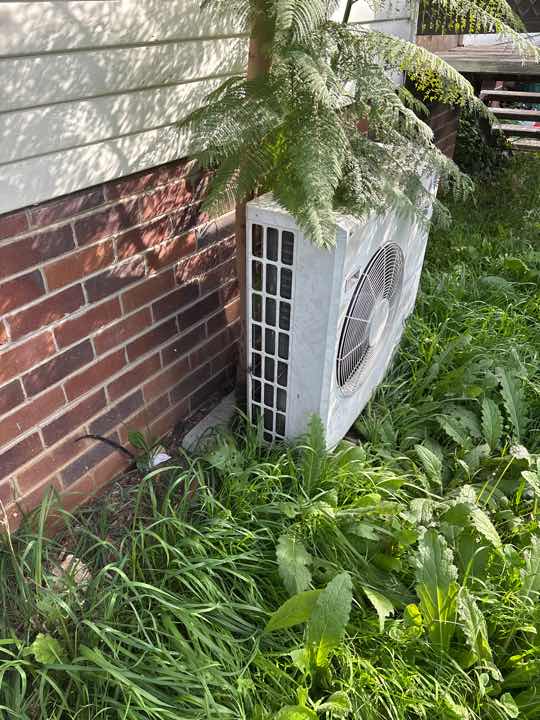
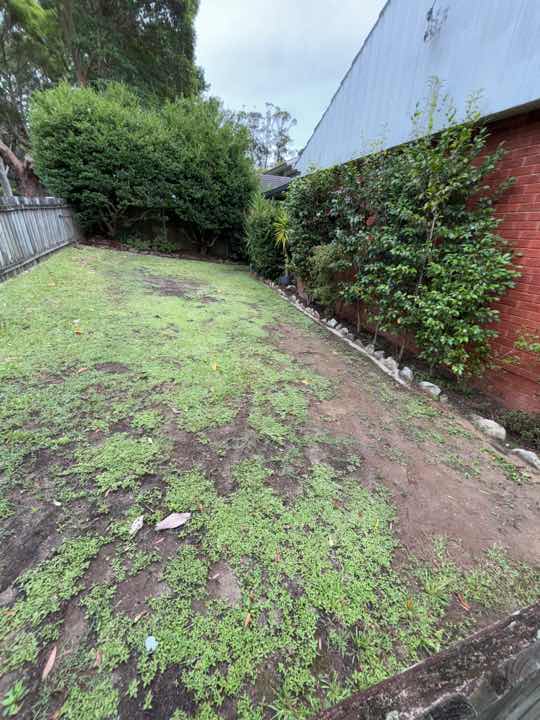
Vegetation close to structures, and the maintenance that comes with it. Leaf litter in gutters, valleys and around roof penetrations, overhanging limbs, tree roots near footings, drains and services, and timber or debris in contact with the building. It also raises the ember question, which is answered for the land by the section 10.7 planning certificate. What we report is the physical detailing: eaves gaps, subfloor and roof void vents, decking, and vegetation growing against the walls.
Does the coastal position change the report?
Yes, mostly on metal. Salt air is harder on roofing, flashings, fasteners, hinges and fixings than inland air, so corrosion is read carefully at sheeting laps, valleys and roof penetrations, and exposed elevations weather first. Where land slopes toward the coast, falls away from the building and the point at which roof water discharges matter more than they would on flat ground. Decks, external stairs and retaining also take a harder life here.
Can you inspect a property with so little local data?
Yes. The inspection runs to AS 4349.1 regardless of the locality, covering the accessible interior and exterior, roof space, roof exterior, subfloor and the site within thirty metres of the building. Local data helps with the research, not with the inspection itself. A same-day report is the aim, emailed rather than posted, subject to access and availability.
More areas near Moonee
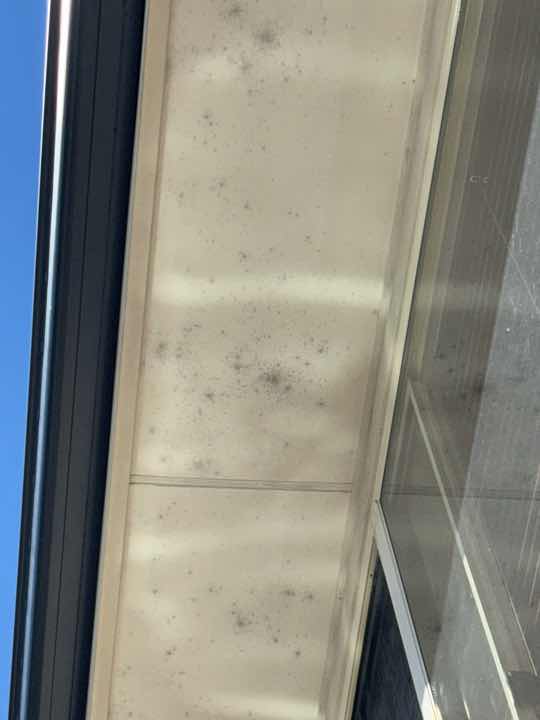
Real defects our inspectors have flagged
Built to last. Inspected to be SURE.
One inspection, twelve months of advice, and the same person on the other end of the phone every time you call. That is the part you do not see on the brochure.
9,237 inspections · 242,618 defects found · Inspector-owned franchises