Building Inspections in Wybung, Central Coast
Common issues in Wybung
Wybung and surrounding suburbs
Tiles © Esri · Esri, HERE, Garmin, © OpenStreetMap contributors, and the GIS user community
Questions we hear about Wybung
What is at Wybung?
Headland and coast, mostly. The locality is described as a very small rural location, and its recognisable features are Wybung Head, Flat Island and Sand Bluff, not streets. The ABS suppressed its 2021 Census figures because the population is too low to report, and even the published land area differs between sources. There is effectively no housing market here to profile, so we inspect by address and scope the job from what is standing on the block.
I have seen Wybung listed in a mine subsidence district. Is that right?
We will not publish it either way, because it could not be verified. A search summary places Wybung inside one district, but that map was not among the ones read directly, and repeating an unverified overlay would be worse than saying nothing. The Service NSW property check confirms district status for a specific address in a few minutes. Inside a declared district, building work needs Subsidence Advisory NSW approval as well as council consent.
How does an exposed coastal position affect a building?
It works on the outside first. Salt air attacks roofing, flashings, fasteners, hinges and fixings, so corrosion is read carefully at sheeting laps, valleys and roof penetrations. Wind-driven rain finds its way in at window and door heads, sill flashings and around penetrations, and exposed elevations weather and chalk before sheltered ones. Decks, external stairs and handrails take a harder life. On sloping headland ground, drainage and where roof water discharges matter more.
Can you inspect here if there is no local data?
Yes. The inspection runs to AS 4349.1 whatever the locality, covering the accessible interior and exterior, roof space, roof exterior, subfloor and the site within thirty metres of the building. Local data helps the research, not the inspection, and a suburb profile would not describe your property anyway. The report records what was accessible on the day.
What should I ask the vendor about before exchange?
Approvals and services. Whether every structure on the block has council approval, particularly sheds, carports, decks and any extension. Whether the property is on mains sewer or an on-site system, since Central Coast Council reports more than 8,000 properties across the local government area with no sewerage connection available. And where the water comes from, because a tank supply brings its own tank, pump and catchment condition into the sale.
What does the section 10.7 planning certificate tell me?
It is the document that carries the mapping for the land: zoning, flood mapping, bushfire-prone land and other constraints recorded by council. Your conveyancer orders it, and it answers questions an inspection cannot, because an inspection reports on the buildings rather than the planning status of the parcel. Read the two together. One tells you what you can do with the land, the other tells you the condition of what is already on it.
More areas near Wybung
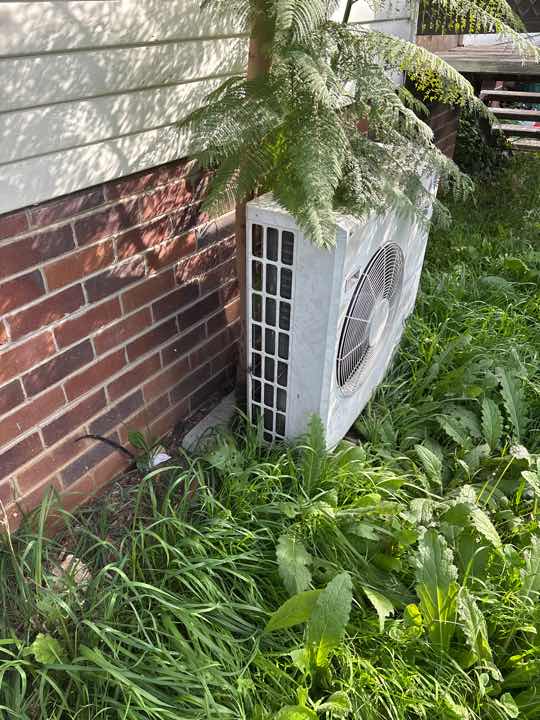
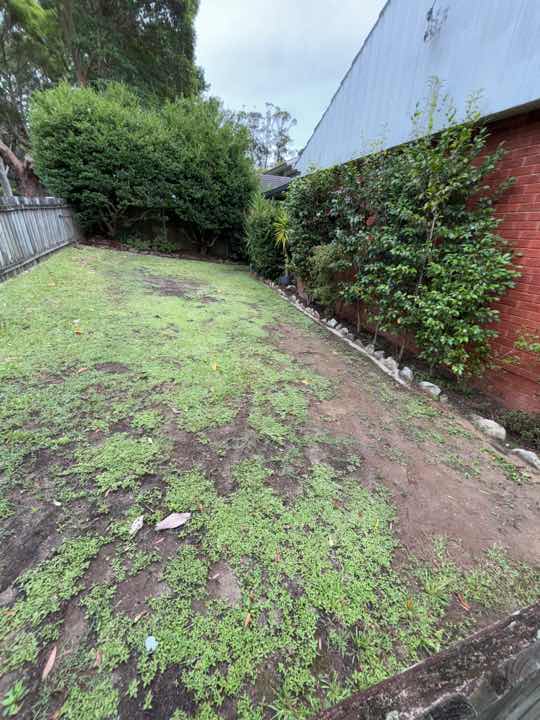
Real defects our inspectors have flagged
Built to last. Inspected to be SURE.
One inspection, twelve months of advice, and the same person on the other end of the phone every time you call. That is the part you do not see on the brochure.
9,237 inspections · 242,618 defects found · Inspector-owned franchises