
Building Inspections in Lake Munmorah, Central Coast

Common issues in Lake Munmorah
Lake Munmorah and surrounding suburbs
Tiles © Esri · Esri, HERE, Garmin, © OpenStreetMap contributors, and the GIS user community
Questions we hear about Lake Munmorah
When was Lake Munmorah built?
In waves, and the power station set the pace. Fishing, logging and dairy settlement dates from about 1820, with commercial fishing running from 1860 for roughly a century. Munmorah Power Station was approved in February 1961, synchronised its first unit in February 1967 and its last in October 1969, and by the early 1970s supplied around 40 per cent of the state's power. Through the 1980s the district was described as the fastest growing in south-east Australia. A home from that growth period sits inside the pre-1990 asbestos window.
I have read about acid sulfate soils. What are they, and do they matter?
They are naturally occurring soils that stay harmless while they remain wet and produce acid once they are drained or dug up and exposed to air. Lake Munmorah is one of the areas named specifically in regional acid sulfate soil planning, and council has run foreshore erosion works near Kimilaroo Avenue partly to avoid disturbing them. For a buyer the practical points are what the section 10.7 planning certificate says about the land, and whether a pool, extension or earthworks you are planning will need management measures.
Does the lake system bring flood questions?
Lake Munmorah is one of the three water bodies in the Tuggerah Lakes system, with Tuggerah Lake and Budgewoi Lake, and the system and its immediate floodplain cover about 80 square kilometres under a council floodplain risk management plan. That is catchment scale. Whether a particular lot is flood affected is stated on its section 10.7 planning certificate, which your conveyancer orders. An inspection adds the physical side: ground levels, drainage falls, subfloor moisture and any staining from past water entry.
The conservation area burnt in 2013. What does that mean for a house here?
Munmorah State Conservation Area sits adjacent and large areas of its forest were burnt out in the October 2013 fires, though the town itself escaped severe damage. That is history, not a rating, and bushfire mapping for a particular lot is stated on its section 10.7 certificate. What an inspection looks at is the detailing that matters when embers arrive: gutter and valley debris, eaves gaps, subfloor and roof void vents, decking, and vegetation against the walls.
What is the housing stock like?
This is the largest population in the group of villages, with the 2021 Census recording 5,084 people across 2,409 private dwellings and a median age of 50. No published source names a dominant construction material or a build decade for the suburb, so we do not describe a typical Lake Munmorah house. What the inspector reads instead is the property: construction, roof and wet area condition, subfloor, drainage, and what has been added since. That is the better guide anyway.
Should I book building and timber pest together?
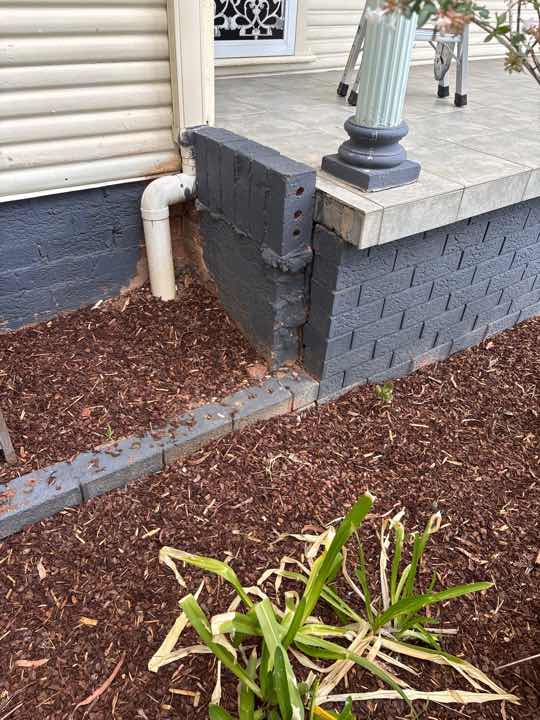
Most buyers here do, and they are separate scopes. The building inspection runs to AS 4349.1 and the timber pest inspection to AS 4349.3, which covers termite activity, existing damage and conducive conditions. Those conditions are usually garden and drainage decisions rather than building faults: timber in ground contact, sleepers, mulch and beds against the walls, stored timber, damp subfloors and poor underfloor ventilation. A suburb of established gardens has more of them to find. Both are usually done in the one visit.
More areas near Lake Munmorah
Real defects our inspectors have flagged
Built to last. Inspected to be SURE.
One inspection, twelve months of advice, and the same person on the other end of the phone every time you call. That is the part you do not see on the brochure.
9,237 inspections · 242,618 defects found · Inspector-owned franchises