
Building Inspections in Mooney Mooney Creek, Central Coast
Common issues in Mooney Mooney Creek
Mooney Mooney Creek and surrounding suburbs
Tiles © Esri · Esri, HERE, Garmin, © OpenStreetMap contributors, and the GIS user community
Questions we hear about Mooney Mooney Creek
Do you inspect properties in Mooney Mooney Creek?
Yes. Mooney Mooney Creek is steep sandstone country on the western side of the escarpment, largely against Brisbane Water National Park, and the practical questions are about access, not scope. Tell us at booking how the property is reached, whether the driveway needs a four-wheel drive after rain, how many structures are on the block and who will open them. The inspection runs to the same standard as anywhere. Getting to the parts of it is what takes the planning.
What matters most on a steep bush block?
Three things tend to dominate. What holds the house up, meaning the support beneath an elevated floor, the posts and their footings, and the retaining or batters cut into the sandstone. What carries you around, meaning stairs, landings, decks and their balustrades. And what the bush does to the building day to day: leaf litter in gutters and valleys, debris under decks, and vegetation growing hard against the walls. All three are visible and all three are worth pricing before you commit.
The property has no town water or sewer. Is that a problem?
It is a set of things to check rather than a problem in itself. We report on visible condition: the tank and its stand, where the overflow discharges, leaks in pump and pipework, and any surface breakout or wet ground around wastewater trenches. Water quality testing and a septic assessment are separate specialist jobs, and Council holds the approval records for on-site systems. Get all three before you exchange, because an unapproved or failing system becomes your cost at settlement.
Is bushfire a real consideration here?
Council maps bushfire-prone land and the status for a specific property appears on its Section 10.7 planning certificate, so get the certificate for the lot before you assume either way. An inspection is not a bushfire assessment and cannot give you a Bushfire Attack Level. What we can report is visible condition of the things that matter in an ember attack: gutter and valley debris, unscreened vents and subfloor openings, gaps at the roof line, and combustible material stored under a deck or against a wall.
Does the sandstone make the site more stable?
Rock is good ground to found on, which is the upside. The trade is that drainage cannot simply be dug in, so water tends to be run across the surface or tipped out at whatever point was easiest to reach. Cut faces and batters need to stay stable, and retaining needs drainage behind it or it carries a load it was never designed for. We look at the cuts, the retaining, and where roof and surface water actually go once they reach the bench.
What happens if part of the property cannot be reached?
The report records it as not inspected and states the reason, which is what AS 4349.1 requires. Out here that might be a subfloor too steep or tight to enter, a roof void with no access point, a locked outbuilding, or a structure the vehicle could not get to on the day. Read those lines first when the report arrives, because they mark the parts nobody has looked at. Most of them can be cleared and re-checked if you ask early.
More areas near Mooney Mooney Creek
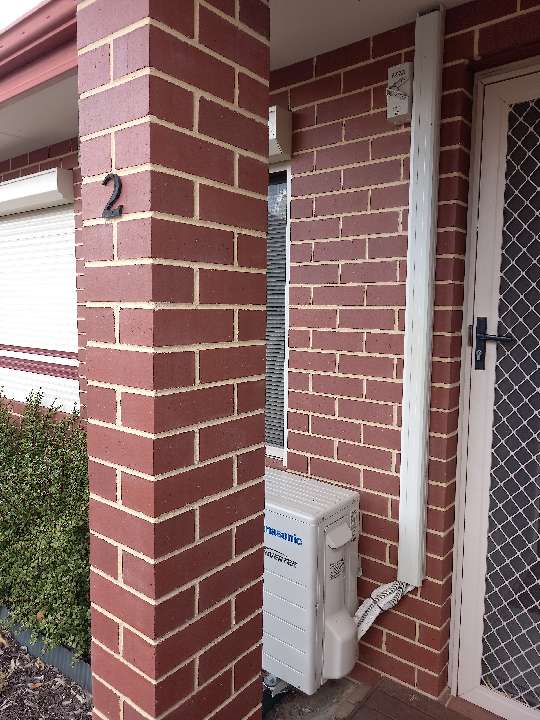
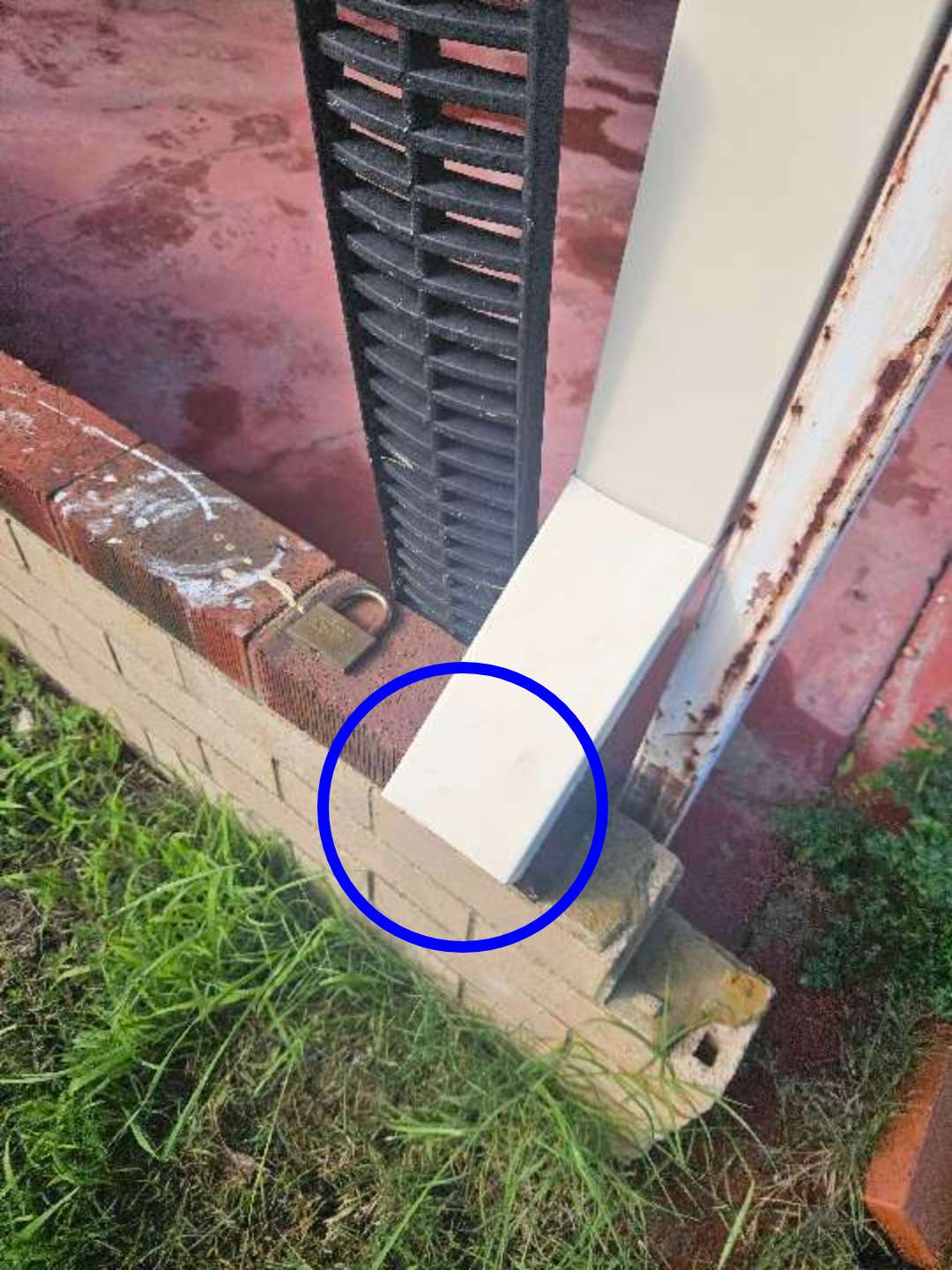
Real defects our inspectors have flagged
Built to last. Inspected to be SURE.
One inspection, twelve months of advice, and the same person on the other end of the phone every time you call. That is the part you do not see on the brochure.
9,237 inspections · 242,618 defects found · Inspector-owned franchises