
Building Inspections in Mundaring, Perth
Stock profile · ABS 2021 Census
What’s here in Mundaring
- Separate houses
- 92.2%
- Semi-detached / townhouse
- 6.9%
1,191 occupied private dwellings
Local profile · ABS 2021 Census
Who lives in Mundaring
- Median age
- 50yrs
How Mundaring
was built
Mundaring sits on the Darling Scarp, the dramatic granite and laterite escarpment that marks the eastern edge of the Swan Coastal Plain. The land is Whadjuk Noongar country — the Noongar people had occupied the Helena River valley and surrounding hills for at least 45,000 years before European settlement, using the watercourses, granite outcrops, and jarrah forest as seasonal resource corridors. European timber cutters reached the Scarp in the 1870s and 1880s, and Mundaring emerged as a timber mill town supplying jarrah to the expanding colony of Perth. The pivotal event in the district's history was the construction of Mundaring Weir between 1898 and 1902 — designed by engineer C.Y. O'Connor, the reservoir on the Helena River impounded water that was pumped 600 kilometres to the Kalgoorlie goldfields through one of the longest water pipelines on earth at the time. The weir and the associated Perth-Mundaring rail line, opened in 1895, gave Mundaring permanent infrastructure that cemented its role as a Hills service centre. Agriculture and timber continued through the early twentieth century, and the post-war period brought modest residential growth as Perth's outer fringe crept toward the Scarp. The lifestyle shift of the 1970s and 1980s — when urban professionals began seeking acreage blocks in the hills as an alternative to Perth suburbs — transformed Mundaring's residential character. Rural-residential lots of one to five acres attracted buyers wanting jarrah-canopy living within 40 minutes of the CBD, and the housing stock that emerged is dominated by 1970s-90s single-storey brick and timber homes. The township itself retains some weatherboard cottages from the early mill era. Mundaring sits within a designated Bushfire-Prone Area and the combination of steep terrain, jarrah forest, and dry eastern summers makes fire risk a permanent consideration for buyers.
What makes Mundaring worth it
-
Perth Hills acreage lifestyle 40 minutes from the CBD
Large rural-residential lots of one to five acres with jarrah canopy and granite-outcrop outlooks give Mundaring a lifestyle offer that no Perth metropolitan suburb can replicate. The Great Eastern Highway delivers the Perth CBD in around 40 minutes, making the trade-off between space and commute time more favourable than comparable Hills localities.
-
Mundaring Weir and Helena River valley heritage and recreation
The Mundaring Weir reserve — site of C.Y. O'Connor's historic Goldfields Pipeline intake — offers walking trails, picnic grounds, and reservoir views minutes from the town centre. John Forrest National Park sits 10 kilometres west along the Great Eastern Highway.
-
Perth Hills wineries and regional arts precinct nearby
The Swan Valley wine region and the Perth Hills winery corridor are within 30 kilometres. The Mundaring Arts Centre and a network of artisan studios in the village precinct give the suburb a cultural depth uncommon in outer-suburban settings.
-
Mundaring Village walkable retail and local schools
Mundaring Village on Mundaring Weir Road provides supermarket, cafes, medical, and specialty retail within walking distance of the township. Mundaring Primary School and John Wollaston Anglican Community School serve the residential catchment.
-
Entry price for Hills lifestyle well below comparable coastal suburbs
Large-lot Hills properties in Mundaring represent a significant price discount against coastal Perth suburbs of equivalent lot size. Buyers who prioritise land, privacy, and open-space access over beach proximity find Mundaring one of the most compelling value propositions in the greater Perth property market.
Meet Kim Steele

Kim Steele inspects Mundaring and the wider Perth Hills corridor, including Kalamunda and the Darling Scarp foothills. Bushfire-prone area compliance, granite-laterite footing assessment on sloped sites, and rural-lot septic and water-supply inspection are the specialities he brings to Hills properties. - Territory: Perth North - Experience: 10+ years - Specialisations: Bushfire Attack Level compliance review, granite-laterite sloped-site assessment, rural septic and tank-water infrastructure inspection - Direct line: 1300 787 327 Kim typically responds within 2 hours on business days.
Local risks in Mundaring
Mundaring presents a fundamentally different inspection profile from metropolitan Perth. The suburb sits on the Darling Scarp on granite and laterite geology, with properties on sloped bushland lots that carry specific structural, bushfire, and servicing risks not found on the coastal plain. The 1970s-90s timber and brick homes that dominate the suburb combine the highest combined termite and bushfire exposure of any building era in the Perth region. In Mundaring, we regularly see: - Bushfire ember-vulnerability at eave and roof-void openings — Mundaring is a designated Bushfire-Prone Area and the original 1970s-90s construction predates current AS 3959 ember-protection requirements. Gap sealing at eaves, fascia, deck-to-wall junctions, and roof-void vents is the primary compliance focus. Typical remediation: $1,500–$5,000 depending on scope. - Stepped-footing differential cracking on sloped sites — granite and laterite bedrock variability under sloped lots produces differential footing movement at corners and internal wall junctions, a different signature from the reactive-clay cracking of flat-plain suburbs. Typical repair: crack injection plus drainage improvement behind retaining structures, $3,000–$10,000. - Retaining wall deterioration and subsoil drainage failure — older timber and masonry retaining walls on laterite slopes show active lean, spalling, and drainage failure behind the wall face. Typical assessment and repair: structural engineer review plus drainage remediation, $2,000–$15,000 depending on wall length.
Common issues in Mundaring
Inspecting
Mundaring homes
Mundaring presents a distinct inspection profile that differs significantly from metropolitan Perth. Bushfire Attack Level compliance is the most urgent consideration — the suburb sits within a designated Bushfire-Prone Area under the Planning and Development (Bush Fire Prone Areas) Regulations, and every property should have a current BAL assessment. Inspectors check ember-vulnerability points: roof void access openings, eave and fascia gaps, deck and pergola connections, and window and door frame sealing against AS 3959 Construction of Buildings in Bushfire-Prone Areas. Timber homes from the 1970s and 1980s carry the highest bushfire and termite exposure combination — jarrah timber is naturally durable but not immune, and subfloor bearer and joist condition under AS 4349.3 pest scope is carefully assessed. Granite-outcrop geology on sloped blocks produces complex stepped footing arrangements that can shift as root systems exploit footing joints — differential cracking at corners and internal wall junctions is a common finding. Laterite soils on slopes can develop retaining wall failure over time; retaining structure condition and drainage behind walls are inspected where relevant. Ageing septic systems on large rural lots are a practical consideration — tank and soakwell condition, Health Department approval currency, and any groundwater proximity concerns should be confirmed before exchange. Tank water supply is common; inspectors check tank condition, pump integrity, and backflow prevention compliance. AS 4349.1 and AS 4349.3 are the applicable standards, with bushfire-zone conditions noted under the compliance section of every report.
Mundaring and surrounding suburbs
Tiles © Esri · Esri, HERE, Garmin, © OpenStreetMap contributors, and the GIS user community
Questions we hear about Mundaring
What building era dominates in Mundaring?
1970s to 1990s single-storey brick and timber homes on large rural-residential lots of one to five acres, with some older weatherboard cottages from the early mill-era township and 2000s-onward infill on subdivided blocks. Timber homes from this era carry the highest combined termite and bushfire exposure profile in the Perth region — thorough inspection is essential.
Are there bushfire risks specific to Mundaring?
Yes — Mundaring is a designated Bushfire-Prone Area and every property should have a current Bushfire Attack Level assessment before purchase. Inspectors check ember-vulnerability points at eaves, roof voids, decks, and window frames against AS 3959 standards. The 12 months FREE advice that comes with every SURE inspection includes guidance on BAL compliance and any remediation needed.
What should I know about septic systems on Mundaring properties?
Many Mundaring properties on lots over 2,000 square metres use septic and soakwell systems rather than reticulated sewerage. Inspectors check visible tank and distribution box condition, confirm Health Department approval currency, and flag any proximity to water features or steep soakage gradients. An ageing or unapproved system can be a material pre-purchase disclosure and negotiating point.
Which type of inspection do I need for a Mundaring property?
A comprehensive inspection to AS 4349.1 plus timber pest to AS 4349.3 is the baseline — bushfire-zone and granite-foundation conditions mean a combined inspection scope is always warranted. The report should include BAL-compliance review, retaining wall condition, water supply infrastructure, and septic system commentary where applicable.
How quickly can SURE book an inspection in Mundaring?
24 to 48 hours is typical for Mundaring. Kim Steele covers the Perth Hills corridor. Call 1300 787 327 or request online, and your PDF report, with same-day delivery subject to access and availability, includes 12 months FREE advice from your inspector — particularly useful for navigating BAL compliance and septic system questions in the first year of ownership.
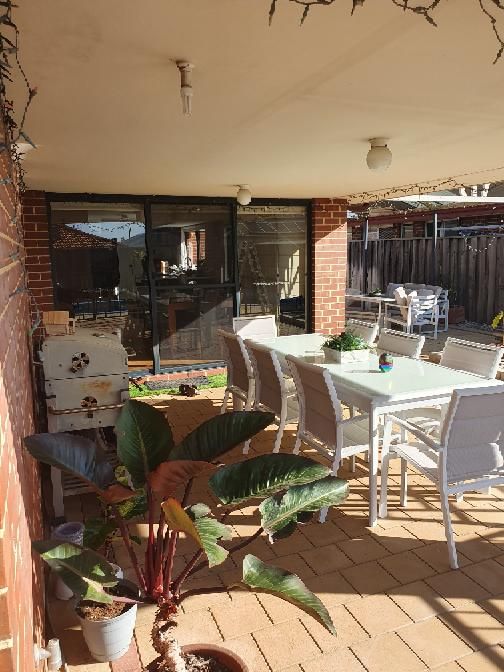
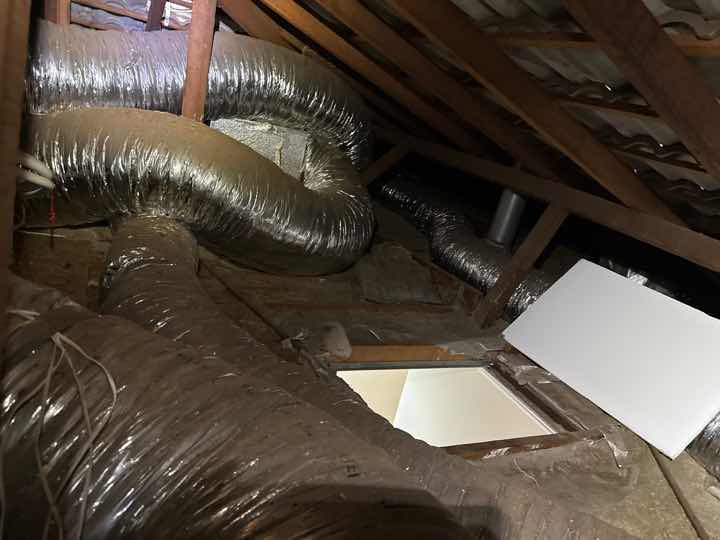
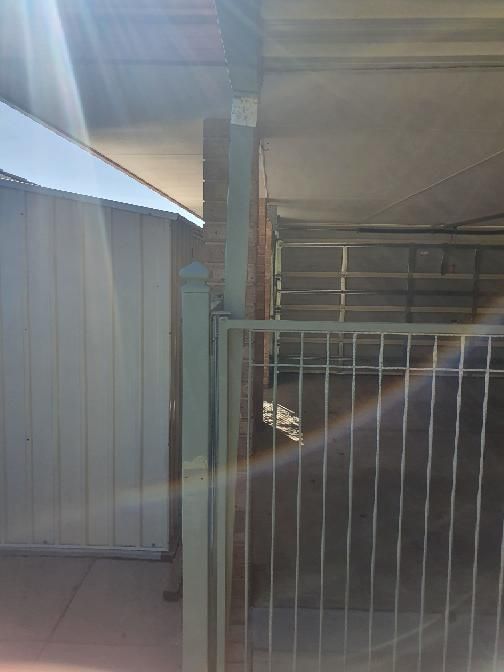
Real defects our inspectors have flagged
Built to last. Inspected to be SURE.
One inspection, twelve months of advice, and the same person on the other end of the phone every time you call. That is the part you do not see on the brochure.
9,237 inspections · 242,618 defects found · Inspector-owned franchises
Your free area report
Get your free area report in 30 seconds
A suburb-specific PDF with defect profiles from real SURE inspections in Mundaring, price trends, school data, and era-aware inspection guidance, emailed within two minutes. Just 4 fields.
- Defect profile: top issues found in real SURE inspections in Mundaring.
- Price trends & school data: local context to inform your decision.
- No paywall. No commitment. Just 4 fields, 30 seconds.