
Building Inspections in Kalamunda, Perth
Stock profile · ABS 2021 Census
What’s here in Kalamunda
- Separate houses
- 89.3%
- Semi-detached / townhouse
- 9.3%
- Flats & apartments
- 1.3%
2,820 occupied private dwellings
Local profile · ABS 2021 Census
Who lives in Kalamunda
- Median age
- 49yrs
How Kalamunda
was built
Kalamunda sits on the Darling Scarp, the geological fault line that separates the Swan Coastal Plain from the ancient Yilgarn Craton plateau to the east. European settlers arrived from the 1860s, drawn by timber-getting and orcharding on the deep clay soils in the valleys. Benjamin Mason established a timber mill at nearby Carmel in 1864 and the area built a modest economy on jarrah and stone fruit. The Kalamunda Zig Zag railway arrived in the 1890s and brought more settlers, and in December 1901 the name Kalamunda was gazetted after a petition from thirty-two local residents. The township was formally approved in 1902 and quickly marketed as a 'health resort', capitalising on its cool hilltop position above the summer heat of the coastal plain. Italian families who arrived after the Second World War established a significant orchard industry in the valleys below the town. Residential development accelerated through the 1960s and 1970s as Perth expanded outward, and Kalamunda became a popular Hills retreat for buyers wanting bush surrounds within commuting distance. The town centre retains its compact village character, with the Kalamunda History Village preserving the heritage buildings and early settler cottages that pre-date the postwar residential growth.
What makes Kalamunda worth it
-
Bush surroundings without leaving Greater Perth
Kalamunda is inside the City of Kalamunda local government area but within 25 kilometres of the Perth CBD. Residents get large blocks, bushland, and cool summer evenings without sacrificing metropolitan services.
-
A genuine village town centre
Kalamunda Road shopping strip has independent cafes, a farmers market, boutique retailers, and the Kalamunda History Village, giving the suburb a character that generic outer-suburb shopping strips do not.
-
Kalamunda National Park at the back door
The Bibbulmun Track runs through the national park to the south and east. Trails, granite outcrops, and jarrah forest are accessible directly from the suburb's eastern boundary.
-
Cool summer climate relative to the coastal plain
Sitting at elevation on the Darling Scarp means summer temperatures are consistently several degrees below those on the coastal plain, which reduces air-conditioning costs and makes outdoor living more comfortable through summer.
-
Large blocks with orchard and garden potential
Many Kalamunda properties retain the deep valley soils that supported the original orchard industry. Lots over 2000 square metres are common, supporting vegetable gardens, fruit trees, and rural-residential lifestyles.
-
Heritage town centre protected from overdevelopment
The compact town core is subject to heritage protection and local government planning controls that have kept commercial and residential density low, preserving the streetscape and limiting the high-density infill that affects flat suburban areas.
Top defects in Kalamunda
Five issues we find most.
From 20 SURE inspections in Kalamunda. Each defect is anonymous. No property is identified.
21 defect types indexed across 20 inspections
Meet Kim Steele

Kim Steele covers Kalamunda and the wider Perth Hills district, including Mundaring, Gooseberry Hill, and Lesmurdie. His Hills specialisation centres on the Darling Scarp granitoid and laterite foundation conditions, cut-and-fill slab settlement, retaining wall risk, and the elevated termite pressure in organically rich valley soils. Kalamunda's bushland setting also means BAL zone awareness is part of every inspection. - Territory: Perth North - Experience: 10+ years - Specialisations: Scarp cut-and-fill foundations, retaining wall integrity, Hills termite pressure - Direct line: 1300 787 327 Kim typically responds within 2 hours on business days.
Local risks in Kalamunda
Kalamunda sits on the Darling Scarp, with residential stock spanning original 1920s-40s township cottages through 1960s-80s brick-and-timber family homes on cut-and-fill lots. The scarp geology drives a distinctly Hills inspection profile: retaining wall risk, cut-and-fill foundation movement, and elevated termite pressure in valley soils replace the reactive-clay settlement pattern of the coastal plain. In Kalamunda, we regularly see: - Tree stumps on site and timber in contact with ground: the two most common findings in our Kalamunda dataset, ahead of even wall cracking. Older hillside lots cleared for subdivision left stumps in ground, which are a direct termite incubation and pathway risk. Combined with organically rich valley floor soils and higher rainfall, termite pressure in Kalamunda is materially higher than coastal-plain suburbs. - External wall cracking from settlement: cut-and-fill slabs on hillside blocks bear on rock on one side and compacted fill on the other. Differential settlement between those two zones drives diagonal cracking from window and door corners over time. Retaining walls on steep lots are assessed separately for lean and drainage. - Bushfire zone compliance findings: Kalamunda falls within BAL-designated zones and our inspection notes non-compliant items such as untreated timber decking, combustible cladding close to bushland, or unscreened subfloor vents. A full BAL assessment requires a separate DFES-compliant report.
Common issues in Kalamunda
Inspecting
Kalamunda homes
Every SURE inspection in Kalamunda covers structural, moisture, roof, drainage, and timber pest scope. The three most common findings in our Kalamunda reports are tree stumps on site, external wall cracking due to settlement, and timber in contact with ground. The Hills context changes the inspection priorities significantly. Retaining walls on steep lots are assessed for structural integrity and drainage, cut-and-fill slabs are checked for differential settlement on hillsides, and any remaining timber subfloor framing gets particular attention for fungal decay and termite activity in the moist, organically rich soils of the valley floors. Bushfire Attack Level (BAL) zone compliance is noted for all properties within designated BAL areas.
DefectIndex
SURE has indexed 21 defects across 20 inspections in the Perth region. That data underlies every finding we report in Kalamunda.
Kalamunda and surrounding suburbs
Tiles © Esri · Esri, HERE, Garmin, © OpenStreetMap contributors, and the GIS user community
Questions we hear about Kalamunda
Is a building inspection more important in the Hills than in a flat suburb?
If anything, more so. Sloped lots introduce retaining wall risk, cut-and-fill foundation movement, and drainage complications that do not apply to flat suburban sites. Tree stumps left in ground after land clearing are a significant termite risk that is specific to older Hills properties. Every SURE inspection covers these concerns as standard, and the 12 months FREE advice covers any follow-up questions through the first year.
What is the bushfire compliance check in Kalamunda?
We note the property's proximity to bushland and any obvious non-compliance with current BAL construction standards, such as untreated timber decking, combustible cladding close to bushland, or unscreened subfloor vents. However, a SURE building inspection is not a formal BAL assessment. If the property is in a designated zone, we recommend a separate DFES-compliant BAL assessment before purchase.
What is the termite risk on Hills properties?
Kalamunda is a higher-risk environment for termites than the coastal plain. Organic-rich valley soils, moisture from higher rainfall, tree stumps left in ground, and older timber subfloor framing all increase activity. Our DefectIndex shows tree stumps on site and timber in contact with ground as the two most common findings in this suburb, ahead of even wall cracking. These are specifically checked during the timber pest inspection component.
How quickly is the report delivered and what follow-up support is included?
Same-day delivery is usually available subject to access and availability. Your full PDF report with photos and severity ratings arrives the evening of the inspection. All findings include 12 months FREE advice from your inspector, which is particularly useful in Kalamunda where retaining wall, stormwater, and bushfire compliance questions can take time to work through with builders and contractors.
Who inspects Kalamunda properties?
Kim Steele covers Kalamunda and the wider Perth North and Hills franchise area. Kim holds CPPHON4013 and CPPUPM3008, has over a decade of residential building experience, and is familiar with the laterite and granitoid foundation conditions, retaining wall risks, and older construction patterns common in the Hills district.
What are the most common building defects found in Kalamunda?
Based on an indicative sample of 20 SURE inspections carried out in Kalamunda, the most common defects we identify are: External Wall Cracking due to Settlement, Timber in Contact with Ground, Tree Stumps on Site, Cracked Roof Mortar, Mulch and Garden Beds Against House.
Are termite or timber pest concerns common in Kalamunda?
Yes. Across 20 inspections in Kalamunda, the most common timber-pest findings include Timber in Contact with Ground, Tree Stumps on Site, Mulch and Garden Beds Against House. We recommend a timber-pest inspection alongside any pre-purchase building inspection here.
What structural issues are typical for homes in Kalamunda?
Common structural findings we record in Kalamunda include External Wall Cracking due to Settlement, Obstructed Roof Void due to Insulation, Timber Fungal Decay (Rot) in Fascia and Barge Boards. Each finding is reported alongside remedy recommendations and covered by 12 months free advice.
Is moisture a concern in Kalamunda homes?
Excessive Moisture Readings are among the moisture-related findings recorded across 20 inspections in Kalamunda. Our inspectors use moisture-meter readings to quantify any issue they detect.
Book an inspection
in Kalamunda
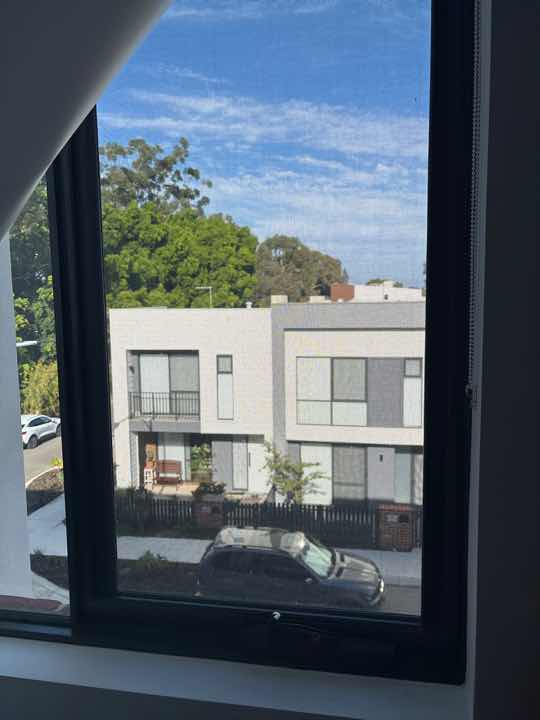
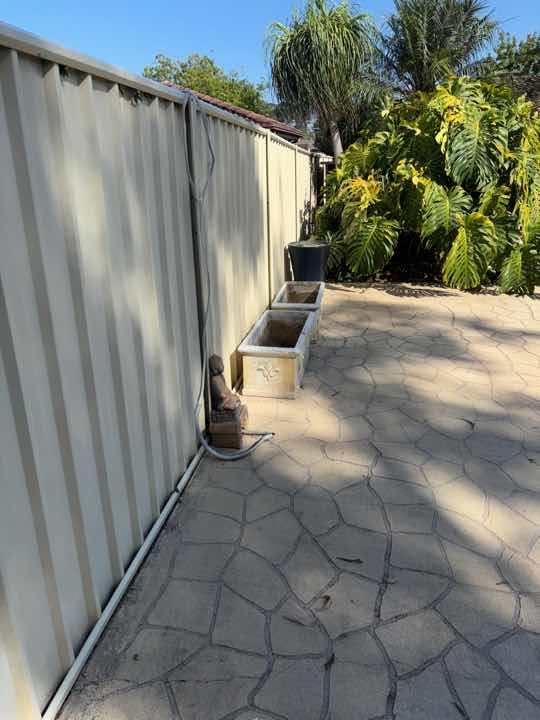
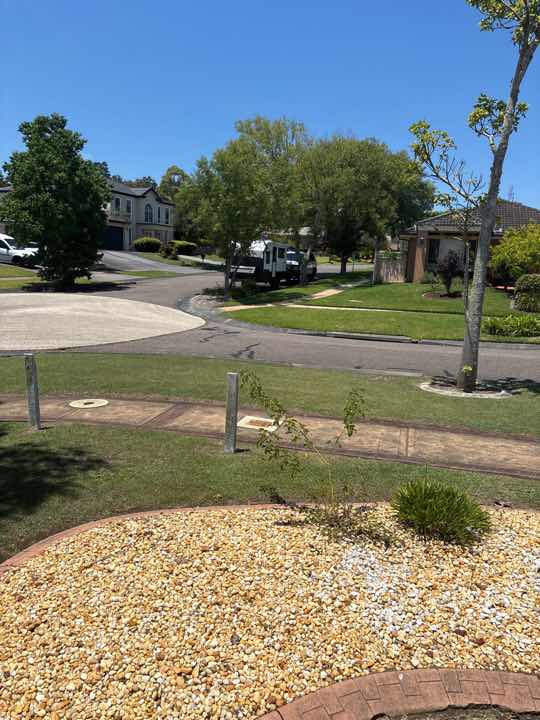
Real defects our inspectors have flagged
Built to last. Inspected to be SURE.
One inspection, twelve months of advice, and the same person on the other end of the phone every time you call. That is the part you do not see on the brochure.
9,237 inspections · 242,618 defects found · Inspector-owned franchises
Your free area report
Get your free area report in 30 seconds
A suburb-specific PDF with defect profiles from real SURE inspections in Kalamunda, price trends, school data, and era-aware inspection guidance, emailed within two minutes. Just 4 fields.
- Defect profile: top issues found in real SURE inspections in Kalamunda.
- Price trends & school data: local context to inform your decision.
- No paywall. No commitment. Just 4 fields, 30 seconds.