
Building Inspections in St Huberts Island, Central Coast
Common issues in St Huberts Island
St Huberts Island and surrounding suburbs
Tiles © Esri · Esri, HERE, Garmin, © OpenStreetMap contributors, and the GIS user community
Questions we hear about St Huberts Island
What makes St Huberts Island different from the rest of the Central Coast?
It is the one wholly engineered place in the district. The island is a canal estate created in the early 1970s, when the developer reclaimed intertidal wetlands by raising the land above water level and cutting canals to create waterfront lots, with a bridge to the mainland at Daleys Point. Council maintains a development control chapter specific to the island. Everything that matters about an inspection here follows from that history: fill, canals, revetment walls and tidal groundwater.
Should I have the canal revetment wall looked at?
Yes, and find out early who is responsible for it. On a canal lot the revetment wall is holding the land up, and its condition affects the ground your house sits on, not just the view. Our inspectors record the visible condition of the wall, any lean or displacement, the state of the capping, and whether the ground behind it has slumped. Ownership and maintenance obligations for canal walls are a legal question for your conveyancer, and it is worth asking before you exchange.
Does building on reclaimed land cause problems for footings?
It can, and the pattern is distinctive. Hydraulic fill consolidates over decades, and it rarely does so evenly, so the signals are differential rather than general: one corner or one wing settling while the rest holds, stepped cracking that runs in a consistent direction, doors and windows binding on one side of the house, separation between the house and attached paving or a driveway slab. The report records where the cracking is, how wide it is, and whether it looks like settlement that has run its course or settlement still under way.
Is St Huberts Island housing the same fibro era as Woy Woy?
No, and that is a useful difference. The estate dates from the early 1970s onward, later than the post-war fibro build-out on the peninsula across the water, so asbestos-containing products are plausible in the earliest houses but nowhere near as dominant as they are in Woy Woy or Umina. Where suspect material is present the report identifies it by sight and describes its condition. The dominant themes here are fill, water and salt rather than fibro sheeting.
What are acid sulfate soils, and do they affect St Huberts Island?
They are soils containing iron sulfides that stay harmless while they are wet. Disturb or dewater them and they oxidise, producing sulfuric acid that attacks concrete footings, slabs and buried services. A 1970s estate built on dredged intertidal wetland is the classic setting, and the island samples in the highest mapped class, meaning acid sulfate material is likely on and below the natural surface. It matters most if you plan to excavate, dewater or put in a pool, so check the requirements before you plan work.
Do I need to worry about bushfire at St Huberts Island?
No, and that is one of the few clean negatives we can give you anywhere in the district. The island is a fully cleared reclaimed estate and the bushfire prone land mapping returns nothing across it, so a bushfire line on this page would be false. The exposures worth your attention are water and salt: tidal groundwater at the slab edge, salt attack on reinforcement in waterfront concrete, revetment walls and any jetty or pontoon that comes with the property.
More areas near St Huberts Island
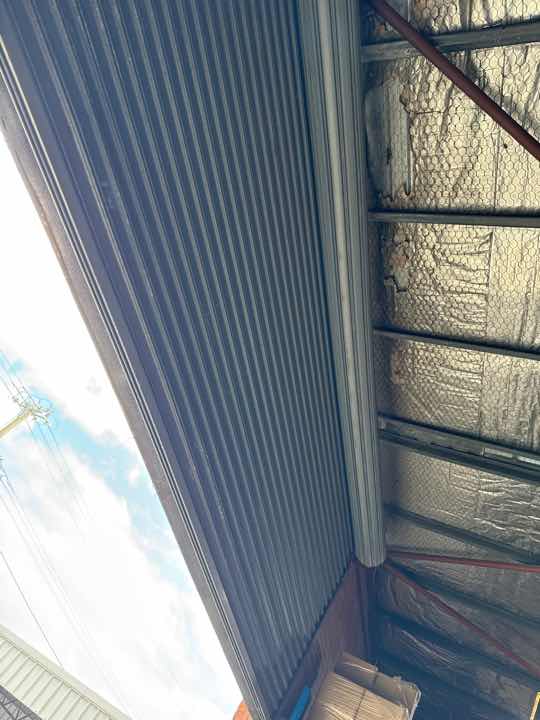
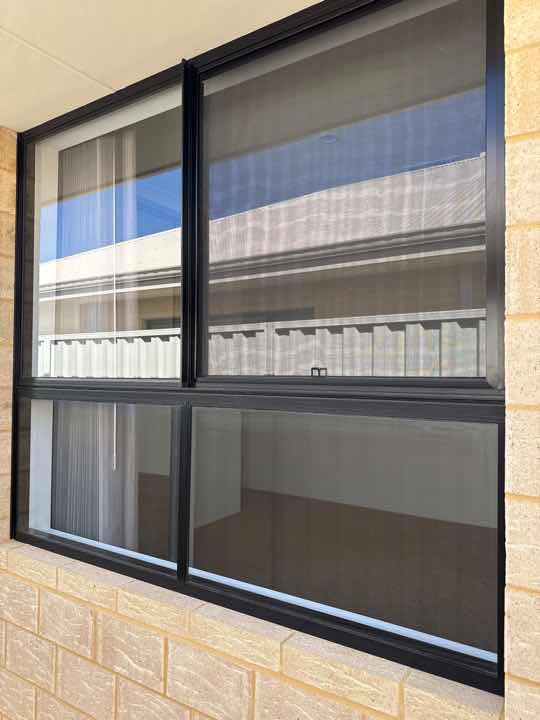
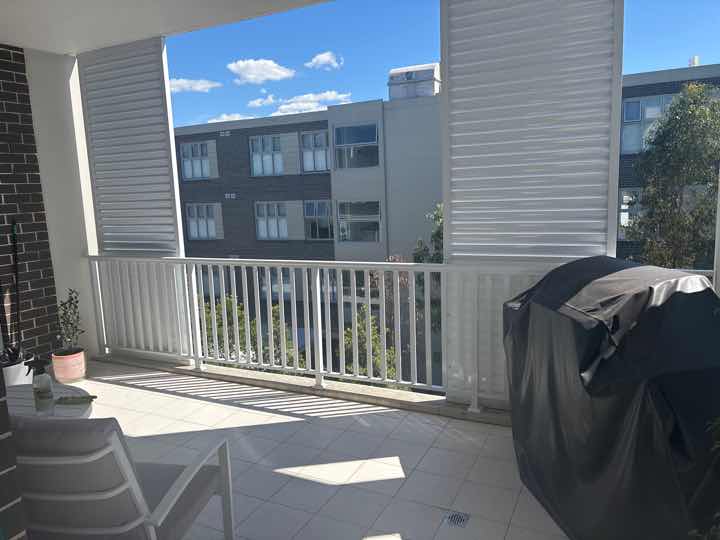
Real defects our inspectors have flagged
Built to last. Inspected to be SURE.
One inspection, twelve months of advice, and the same person on the other end of the phone every time you call. That is the part you do not see on the brochure.
9,237 inspections · 242,618 defects found · Inspector-owned franchises