Building Inspections in Wyong, Central Coast
Common issues in Wyong
Wyong and surrounding suburbs
Tiles © Esri · Esri, HERE, Garmin, © OpenStreetMap contributors, and the GIS user community
Questions we hear about Wyong
What makes an inspection in Wyong different from one in a new estate?
Age range, mostly. Wyong has been a town since 1888, its centre retains civic and residential building put up to about 1945, cheap weekender blocks were subdivided through the 1920s and 1930s, and commuter housing followed the freeway and rail electrification in the 1960s. So one street can hold three eras. A new estate inspection is about the slab perimeter and handover finishes. Here it is about subfloors, roof plumbing, older wet areas and what previous owners changed without paperwork.
Should I be concerned about asbestos in an older Wyong house?
You should know about it rather than worry about it. Asbestos containing materials were used in Australian houses until manufacture, use, import and sale were banned at the end of 2003, and any home built or renovated before 1990 may contain them. An inspection to AS 4349.1 is a visual condition inspection and does not identify or test materials for asbestos. What the report can do is flag materials worth having assessed by a licensed assessor before you renovate.
Why does the inspector go under the house?
Because the subfloor of an older house tells you more than any other single space. Underfloor ventilation, ground moisture, bearer and joist condition, previous termite activity, stumps and piers, and plumbing leaks all show up there first. Where the space can be safely and fully entered, it gets entered. Where it cannot, because of low clearance, stored goods or standing water, the report says which areas were reached and which were not.
Wyong sits on the river the catchment is named after. How do I check flooding?
The Wyong River drains a catchment of about 440 square kilometres from the Watagan Mountains to Tuggerah Lake, and that catchment has a documented flood history including 1949, 1964, 1977 and 2007. That is history for the catchment, not a rating for a block. The section 10.7 planning certificate for the property is what states whether the land is flood affected, and your conveyancer orders it. Read it alongside the inspection report.
The house has been extended. What should I ask about?
Ask for the approval and the certificates. Older towns collect additions: enclosed verandahs, carports, a laundry off the back, a converted sleepout. An inspection reports the condition of that work and flags where it looks different in age or method from the original house. It cannot tell you whether council approved it. That question goes to your solicitor, who can request the property's approval history, and it is worth asking before exchange rather than after.
How soon will I have the report?
A same-day report is the aim, emailed rather than posted, subject to access and availability. Book early in the cooling-off period, not at the end of it, because that is what leaves you room to act on the findings. Twelve months of free follow-up advice comes with the report, which helps when a quote arrives months later and you want to check what a finding actually meant.
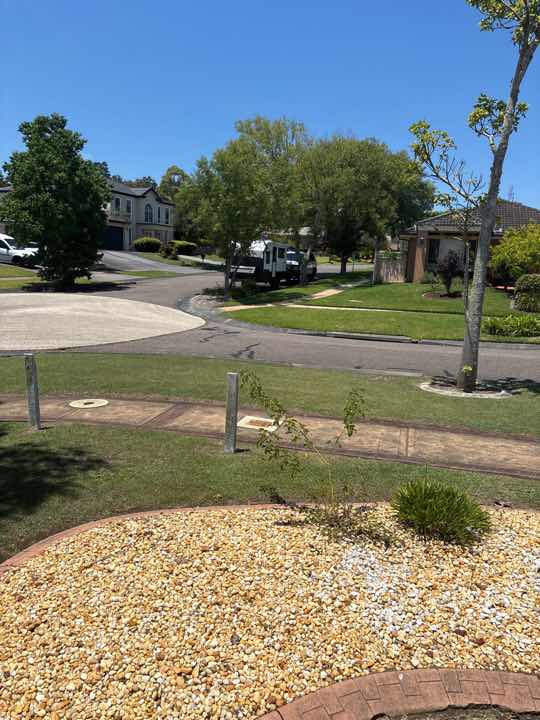
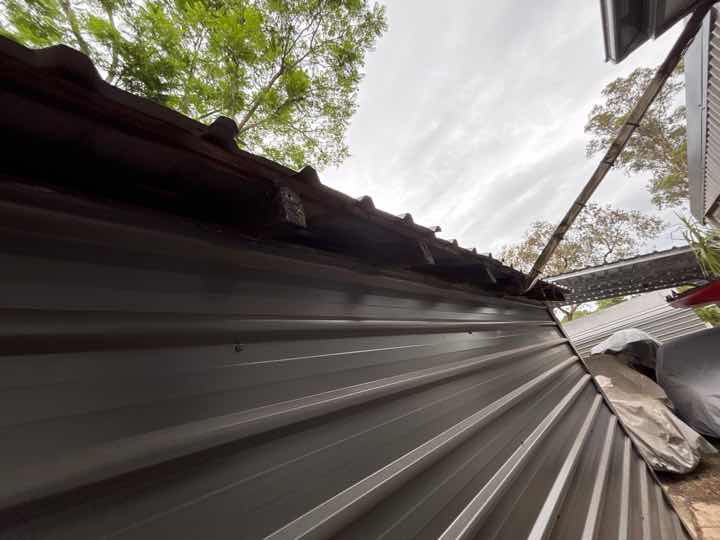
Real defects our inspectors have flagged
Built to last. Inspected to be SURE.
One inspection, twelve months of advice, and the same person on the other end of the phone every time you call. That is the part you do not see on the brochure.
9,237 inspections · 242,618 defects found · Inspector-owned franchises