Building Inspections in Kellyville, Sydney
Stock profile · ABS 2021 Census
What’s here in Kellyville
- Separate houses
- 87.7%
- Semi-detached / townhouse
- 6.8%
- Flats & apartments
- 5.2%
8,098 occupied private dwellings
Local profile · ABS 2021 Census
Who lives in Kellyville
- Median age
- 38yrs
How Kellyville
was built
The Darug people occupied the Cumberland Plain country around Kellyville, living on the deep Wianamatta shale soils of the Hawkesbury-Nepean watershed. The shale plain produced rich agricultural land, and European settlers quickly converted the area to orchards and market gardens — a character the suburb retained well into the twentieth century. Kellyville takes its name from James Kelly, an early land grantee, and the surrounding district remained productive rural land long after the closer suburbs had been subdivided. The trigger for suburban transformation was the Hills Motorway and the expansion of the M2 corridor in the late 1980s and early 1990s, which brought the formerly remote plateau within practical commuting distance of Parramatta and the CBD. Volume builders moved quickly: from the mid-1990s onward, thousands of master-planned estate homes were constructed across what had been orchard land, typically on blocks of 450 to 600 square metres with concrete slab-on-ground footings engineered for the reactive Wianamatta shale. The clay classification across most of Kellyville ranges from class M to class H1 under AS 2870, meaning that slab and footing design must accommodate substantial seasonal soil movement. The degree to which individual volume builders correctly implemented those specifications varies considerably across the estate stock and is a significant source of pre-purchase inspection findings. The Sydney Metro Northwest line, which opened with Kellyville Station in 2019, fundamentally changed the suburb's growth trajectory, driving a new wave of medium-density apartment development around the station core and accelerating population growth that continues today.
What makes Kellyville worth it
-
Kellyville Metro Station with direct rail to Chatswood and Sydney CBD
Kellyville Station on the Sydney Metro Northwest provides driverless metro services to Chatswood in approximately 25 minutes, connecting at Chatswood to the CBD-bound T1 and Metro lines. The station has materially reduced the commute time that historically made the Hills Shire feel distant from the city.
-
Rouse Hill Town Centre and Kellyville Village retail
Rouse Hill Town Centre, 3 kilometres north on Windsor Road, is one of the Hills Shire's major regional shopping destinations with a full department store, supermarkets, cinema, and specialty retail. Kellyville Village on Windsor Road provides a walkable neighbourhood retail strip within the suburb.
-
Family-oriented estate housing with large parks and new schools
The master-planned estates that define Kellyville were designed with school sites, playing fields, and open-space corridors built into the subdivision layout. Castle Hill High School, William Clarke College, and Kellyville Public School serve the area, and pocket parks and cycle paths connect most of the estate grid.
-
Norwest Business Park 5 kilometres south for local employment
Norwest Business Park on the Baulkham Hills-Bella Vista border is one of Sydney's largest suburban business parks and employs tens of thousands in finance, technology, and professional services. Kellyville residents can reach Norwest by Metro, bike, or short drive without entering the CBD-bound traffic stream.
-
Norwest Private Hospital and Hills Clinic within the precinct
Norwest Private Hospital at Bella Vista, 5 kilometres south, provides the Hills Shire's major private hospital services. The nearby Hills Clinic specialises in mental health. Both facilities support healthcare employment within the Metro corridor, contributing to rental demand in Kellyville's newer apartment stock near the station.
Top defects in Kellyville
Five issues we find most.
From 47 SURE inspections in Kellyville. Each defect is anonymous. No property is identified.
17 defect types indexed across 47 inspections
Meet Rod Ismail
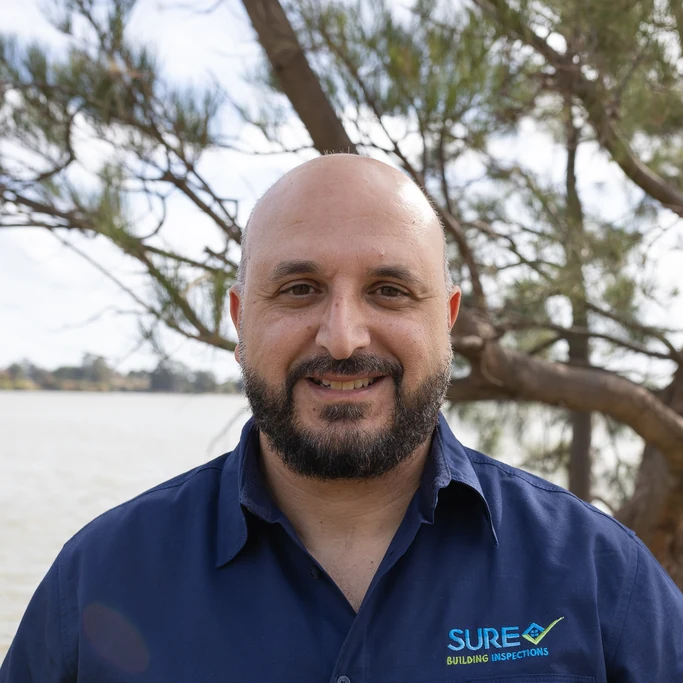
Rod Ismail covers Kellyville and the wider Hills Shire corridor. He has extensive experience with the reactive Wianamatta clay that underlies the entire suburb, inspecting both the 1990s–2000s master-planned estate stock and the newer Metro-precinct apartment buildings near Kellyville Station. - Territory: Western Sydney - Experience: 10+ years - Specialisations: Reactive clay slab assessment, Hills Shire estate volume-builder defects, Metro-precinct apartment envelopes - Direct line: 1300 787 327 Rod typically responds within 2 hours on business days.
Local risks in Kellyville
Kellyville sits almost entirely on Wianamatta shale — reactive clay that classifies M to H1 under AS 2870. The suburb's master-planned estate housing was built from the mid-1990s onward, meaning the oldest homes are now 25 to 30 years old and moving into the phase where clay-movement and builder-grade waterproofing defects mature into costly problems. In Kellyville, we see a lot of: - Reactive clay slab movement — seasonal shrink-swell of Wianamatta clay drives differential slab movement in homes where fill compaction or footing design was substandard. Presents as door-frame distortion, stair-step cracking in external brickwork, and cracked internal linings. Typical repair: $5,000–$25,000 depending on active movement extent. - Balcony waterproofing failures at wall junctions — two-storey volume homes across the Hills Shire frequently show failed waterproofing at the balcony-to-wall junction, where builder-grade membrane has not been lapped adequately. Typical repair: $3,000–$10,000 per balcony. - Ducted air-conditioning condensate drain inadequacy — a repeat finding in Kellyville's builder-grade stock where condensate drains were undersized or incorrectly pitched, causing ceiling staining and wet-area moisture accumulation. Typical repair: $500–$2,500 per unit.
Common issues in Kellyville
Inspecting
Kellyville homes
Every SURE inspection in Kellyville covers structural, moisture, roof, drainage, and timber pest scope under AS 4349.1. The suburb's estate housing is younger than most of Sydney, but age alone does not determine defect risk — the Wianamatta reactive clay that underlies virtually all of Kellyville means that the quality of slab design and construction execution is the most consequential variable in a pre-purchase inspection. Under AS 2870, class M and class H1 sites require stiffened raft slabs with specific edge-beam depths and reinforcement schedules. Where volume builders cut corners — through inadequate compaction of imported fill, undersized edge beams, or omission of capillary break membrane — the reactive clay drives slab heave or differential settlement that manifests as door and window frame distortion, cracked internal linings, and stepped cracking in external brickwork. Inspectors assess current crack patterns, whether movement appears active or historic, and proximity of garden beds and paving to the slab edge as a moisture-variable factor. Two-storey volume homes are checked for balcony-to-wall waterproofing junction adequacy and ducted air-conditioning condensate drain routing, both of which are repeat findings in Kellyville's builder-grade stock. Timber pest scope under AS 4349.3 is included, as the grassed and landscaped estate environment provides favourable conditions for subterranean termite activity.
DefectIndex
SURE has indexed 17 defects across 47 inspections in the Sydney region. That data underlies every finding we report in Kellyville.
Kellyville and surrounding suburbs
Tiles © Esri · Esri, HERE, Garmin, © OpenStreetMap contributors, and the GIS user community
Questions we hear about Kellyville
Is a pre-purchase inspection worth it for a newer Kellyville estate home?
Absolutely — and possibly more so than for an older property in another suburb. Kellyville's reactive Wianamatta clay means that even a 15-year-old home can show significant slab movement if the footing design or compaction was substandard. Our inspectors assess crack patterns, soil moisture conditions, and slab edge exposure to determine whether movement is active or historic. The 12 months FREE advice with every SURE inspection covers you through the first year as you manage any findings.
What is the reactive clay risk in Kellyville?
Almost the entire suburb sits on Wianamatta shale, classified M to H1 under AS 2870. This means soil shrinks significantly in dry summers and swells after rain. Slabs on correctly designed and compacted footings perform well, but where builder-grade execution fell short, the movement manifests as door frame distortion, stair-step cracking in external brickwork, and internal lining separation. It is the most common structural finding in Kellyville inspections.
What other defects do inspectors commonly find in Kellyville homes?
Beyond footing movement, the most common findings in Kellyville are balcony waterproofing failures at the wall junction on two-storey homes, ducted air-conditioning condensate drain inadequacy causing ceiling staining, and substandard wet-area waterproofing in ensuite and bathroom tiling on volume builder stock. These are maintenance defects that surface between 10 and 20 years after construction and represent good negotiating points.
How quickly are reports delivered and what follow-up is available?
Reports are usually delivered the same day as the inspection, subject to access and availability, in PDF with photographs and severity ratings for every finding. The 12 months FREE advice is valuable in Kellyville because reactive clay defects and builder-warranty questions often require a second opinion when you are getting quotes from structural engineers or contacting the builder.
Who carries out inspections in Kellyville?
Rod Ismail covers Kellyville and the wider Hills Shire. Rod holds CPPHON4013 and CPPUPM3008 and is experienced with reactive Wianamatta clay slab assessment, estate volume-builder construction patterns, and the Metro-precinct apartment stock that has emerged around Kellyville Station. Every Kellyville booking routes directly to Rod.
What are the most common building defects found in Kellyville?
Based on an indicative sample of 47 SURE inspections carried out in Kellyville postcode area (2155), the most common defects we identify are: Kitchen Walls Paint Touch-ups, Timber in Contact with Ground, External Wall Cracking due to Settlement, Paint Marks on Media Room Window Frame, Uncaulked Gaps Between Floor and Skirting.
Are termite or timber pest concerns common in Kellyville?
Yes. Across 47 inspections in Kellyville postcode area (2155), the most common timber-pest findings include Timber in Contact with Ground, Slab Edge Concealed by Soil, Paving, or Raised Garden Beds, Unsealed Plumbing/Drains through Slabs. We recommend a timber-pest inspection alongside any pre-purchase building inspection here.
What structural issues are typical for homes in Kellyville?
Common structural findings we record in Kellyville postcode area (2155) include External Wall Cracking due to Settlement. Each finding is reported alongside remedy recommendations and covered by 12 months free advice.
More areas near Kellyville
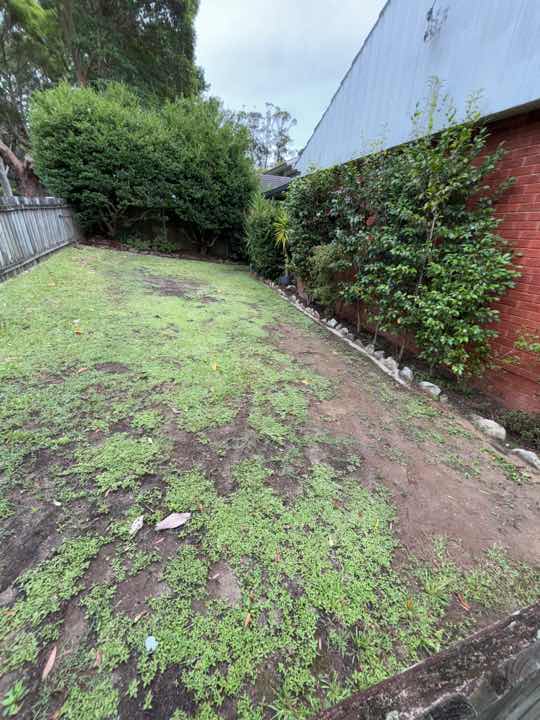
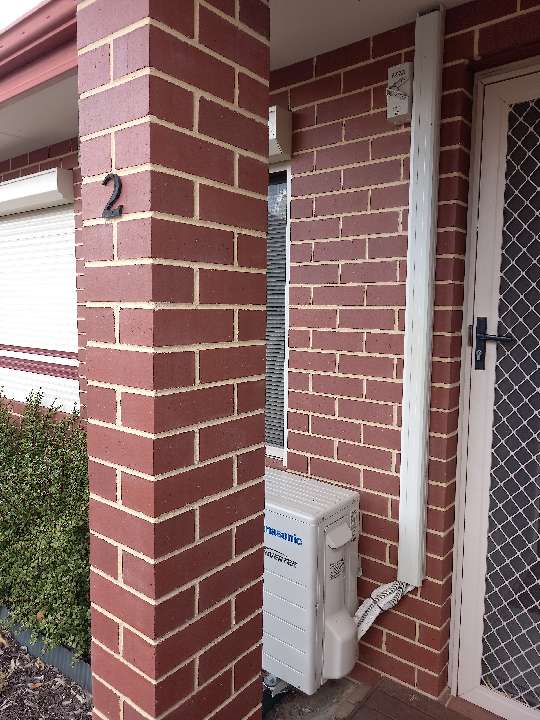
Real defects our inspectors have flagged
Built to last. Inspected to be SURE.
One inspection, twelve months of advice, and the same person on the other end of the phone every time you call. That is the part you do not see on the brochure.
9,237 inspections · 242,618 defects found · Inspector-owned franchises