
Building Inspections in Baulkham Hills, Sydney
Stock profile · ABS 2021 Census
What’s here in Baulkham Hills
- Separate houses
- 75.4%
- Semi-detached / townhouse
- 13.3%
- Flats & apartments
- 11.3%
12,276 occupied private dwellings
Local profile · ABS 2021 Census
Who lives in Baulkham Hills
- Median age
- 39yrs
How Baulkham Hills
was built
Baulkham Hills occupies Dharug Country, where the Dharug people managed the Cumberland Plain woodlands through complex fire and land practices for millennia. European settlers received land grants along the creek lines in the early nineteenth century, establishing mixed farming on the shale-derived soils that would later define the suburb's drainage and structural character. The village of Baulkham Hills remained a modest rural service centre — a church, an inn, and a scattering of weatherboard cottages — until the middle of the twentieth century. Post-war expansion began in earnest in the 1950s, accelerating rapidly through the 1960s and 1970s as Sydney's rapidly growing population pushed into the Hills District. Developers subdivided former orchards and grazing paddocks into 700-to-900 square metre residential lots, and the dominant housing form that emerged — a four-bedroom brick-and-tile home on a flat or gently sloping block — has defined Baulkham Hills ever since. The Norwest Business Park, developed from the 1990s onward on former Dural Road farmland to the north, added a major employment hub that raised land values across the Hills District. The Sydney Metro Northwest, opening in 2019 with the Bella Vista station about two kilometres north-west of the suburb centre, further improved connectivity and triggered medium-density townhouse infill along the main arterials closest to the station. The reactive Wianamatta shale beneath the suburb's clay soils means the post-war and 1980s housing stock now shows the characteristic Hills pattern of moderate wall cracking and aged concrete tile roofs.
What makes Baulkham Hills worth it
-
Bella Vista Metro station within two kilometres of the suburb centre
The Sydney Metro Northwest puts residents at Chatswood in approximately 20 minutes and at the CBD in under 40. The Bella Vista station on Windsor Road is a short drive or cycle from most Baulkham Hills streets, with park-and-ride facilities available and bus feeders covering the suburb.
-
Norwest Business Park — 30,000 jobs within five kilometres
The Norwest precinct on Norwest Boulevard contains one of Sydney's largest suburban employment concentrations, anchored by corporate campuses, health facilities at Norwest Private Hospital, and retail at Norwest Marketown. Short commutes for Hills District residents are a consistent draw for buyers and tenants.
-
Stockland Baulkham Hills and Old Windsor Road retail strip
Stockland Baulkham Hills on Seven Hills Road provides major supermarkets, specialty retail, and dining. The Old Windsor Road strip adds medical centres, restaurants, and cafes within walking distance of the established residential streets to the east.
-
Strong public and independent school catchments
Baulkham Hills High School is one of the highest-achieving selective schools in New South Wales and draws enrolment applications from across the Hills District. Local primary schools include Baulkham Hills Public and a cluster of Catholic and independent schools within easy reach.
-
Large established blocks with mature tree canopy
Lots of 700 to 900 square metres with established trees remain common across the suburb's core streets. This combination of lot size, canopy cover, and proximity to Norwest is difficult to replicate in newer estates further north or west, which helps underpin long-term capital values.
Top defects in Baulkham Hills
2 issues we find most.
From 8 SURE inspections in Baulkham Hills. Each defect is anonymous. No property is identified.
Meet Rod Ismail
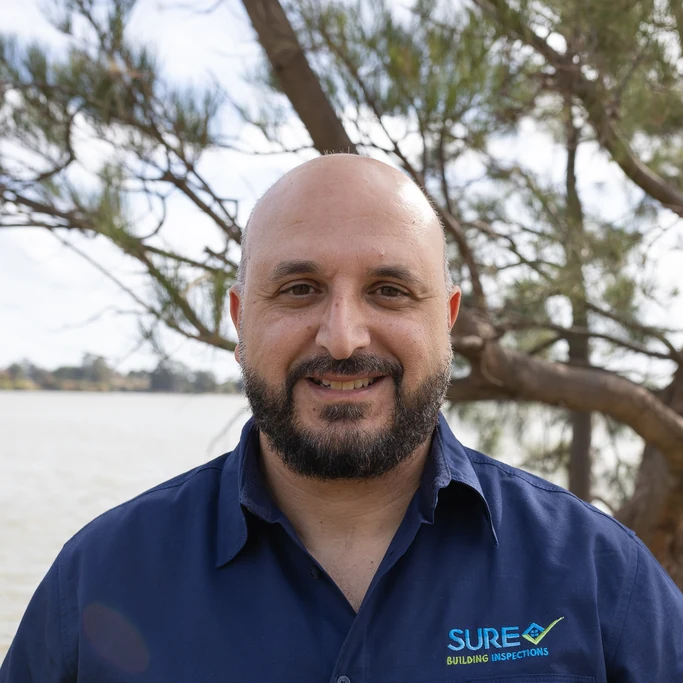
Rod Ismail covers Baulkham Hills and the Hills District as part of his Western Sydney franchise. The suburb's 1970s-to-1990s brick-and-tile stock on Wianamatta shale — combined with large blocks, mature trees, and aging concrete tile roofs — is a well-known brief for Rod. - Territory: Western Sydney (Hills District included) - Experience: 10+ years - Specialisations: Reactive clay foundations, post-2000 estate stock, master-planned drainage - Direct line: 1300 787 327 Rod typically responds within 2 hours on business days.
Local risks in Baulkham Hills
Baulkham Hills sits on a mix of Wianamatta Group shale and transitional sandstone outcrops. Where shale dominates — across most of the flat and gently rolling residential grid — soils are classified moderately reactive (Class M to H1) under AS 2870. The suburb's core housing stock of 1970s and 1980s brick-and-tile homes on perimeter slabs was designed to the reactive site standards of that era, and inspectors now regularly encounter the characteristic Hills District defect pattern: diagonal cracking from window and door corners in external brickwork, cornice separation in secondary bedrooms, and sloped door frames. Under AS 2870, ongoing differential movement wider than 2mm requires engineering assessment; localised stabilisation costs run $5,000 to $18,000 depending on the number of footings affected. Concrete tile roofs of the 1970s and 1980s era are the second most consistent finding in Baulkham Hills. Original ridge capping mortar on these roofs cracks and crumbles past 30 years, allowing water to track into the ceiling space behind sarking that is itself past design life. Under AS 3700 masonry and BCA Part 3.5 waterproofing requirements, ridge capping in failed condition and inadequate sarking are both notifiable defects in a pre-purchase inspection. Full ridge repoint costs run $3,000 to $6,000; sarking replacement across a standard hip roof adds $4,000 to $8,000. Large established trees on 700-to-900 square metre blocks drive the third major defect category: root ingress into original earthenware sewer and stormwater pipes. Pre-1990 clay-jointed drainage is routinely found with root penetration at joints, partially collapsed sections, and slow drainage that backs up into subfloor areas. A CCTV drain inspection is recommended as an add-on for any Baulkham Hills property of this era. CCTV investigations typically cost $350 to $600; pipe relining or replacement runs $4,000 to $15,000 depending on length and access.
Common issues in Baulkham Hills
Inspecting
Baulkham Hills homes
Every SURE inspection in Baulkham Hills covers structural, moisture, roof, drainage, and timber pest scope under AS 4349.1 and AS 4349.3. The suburb's 1970s and 1980s brick-and-tile stock is generally well-constructed but has reached the age where several original components require close attention. Concrete tile roofs from this era commonly show crumbling or missing ridge capping mortar, blocked valley gutters, and first-generation sarking that no longer provides adequate weather resistance. These are manageable maintenance items but affect negotiating position if undisclosed. Wianamatta shale clays beneath the suburb are moderately reactive under AS 2870 classification, and inspectors regularly find diagonal cracking from window corners and cornice separation in secondary rooms. The pattern is usually cosmetic but ongoing movement needs to be distinguished from historical settlement. Large established trees on many blocks drive root ingress into older earthenware sewer and stormwater pipes; a CCTV drain inspection is recommended on purchase of any pre-1990 home. Swimming pools are common in this suburb — AS 1926 fencing compliance and pool shell condition both require formal assessment. Termite activity, while less acute than in eastern-fringe bush interface suburbs, remains a real risk given the timber-frame construction of many homes.
DefectIndex
SURE has indexed 2 defects across 8 inspections in the Sydney region. That data underlies every finding we report in Baulkham Hills.
Baulkham Hills and surrounding suburbs
Tiles © Esri · Esri, HERE, Garmin, © OpenStreetMap contributors, and the GIS user community
Questions we hear about Baulkham Hills
What building era dominates in Baulkham Hills?
Baulkham Hills is predominantly 1970s to 1990s brick-and-tile family housing on large suburban blocks of 700 to 900 square metres. Some infill townhouse development has occurred near Bella Vista and along the main arterials since 2019, but the detached family home remains overwhelmingly dominant. This housing stock is now 35 to 55 years old, placing it at the age where roofing, plumbing, drainage, and waterproofing all warrant formal assessment.
Are there soil issues specific to Baulkham Hills?
Wianamatta shale clays are moderately reactive across most of the suburb's residential grid. Seasonal moisture fluctuations cause the clay to swell and shrink, producing the diagonal cracking in external brickwork and internal cornices that inspectors see regularly. Trees near the building envelope accelerate this process. The pattern is typically non-structural but must be assessed on each property. The 12 months FREE advice included with every inspection helps you monitor any post-purchase movement.
Which type of inspection do I need for a Baulkham Hills property?
A combined building and timber pest inspection to AS 4349.1 Annexure A and AS 4349.3 is the standard recommendation for most Baulkham Hills houses. If the property has a swimming pool, retaining walls, or significant mature trees close to the building, a comprehensive inspection that formally documents these additional elements is worth the step up. For townhouse strata, add a strata records review.
How quickly can SURE book an inspection in Baulkham Hills?
Baulkham Hills sits in the central Hills District service area, with bookings typically available within 24 to 48 hours. Reports are usually delivered the same day as the inspection, subject to access and availability, in PDF with photographs and severity ratings for every finding. Every report comes with 12 months FREE advice — direct access to your inspector through settlement and into the first year of ownership.
What's the typical inspection cost for a Baulkham Hills property?
A three-bedroom combined structural and timber pest inspection is around $610 inclusive of GST. A comprehensive inspection covering all maintenance defects is $720 for three bedrooms. Pool and fence compliance inspections to AS 1926 are $440 flat. A CCTV drain inspection, recommended on older homes, can be arranged through the booking as an add-on.
What are the most common building defects found in Baulkham Hills?
Based on an indicative sample of 8 SURE inspections carried out in Baulkham Hills postcode area (2153), the most common defects we identify are: External Wall Cracking due to Settlement, Timber Fungal Decay Around Home (Conducive Condition).
Are termite or timber pest concerns common in Baulkham Hills?
Yes. Across 8 inspections in Baulkham Hills postcode area (2153), the most common timber-pest findings include Timber Fungal Decay Around Home (Conducive Condition). We recommend a timber-pest inspection alongside any pre-purchase building inspection here.
What structural issues are typical for homes in Baulkham Hills?
Common structural findings we record in Baulkham Hills postcode area (2153) include External Wall Cracking due to Settlement. Each finding is reported alongside remedy recommendations and covered by 12 months free advice.
More areas near Baulkham Hills
Real defects our inspectors have flagged
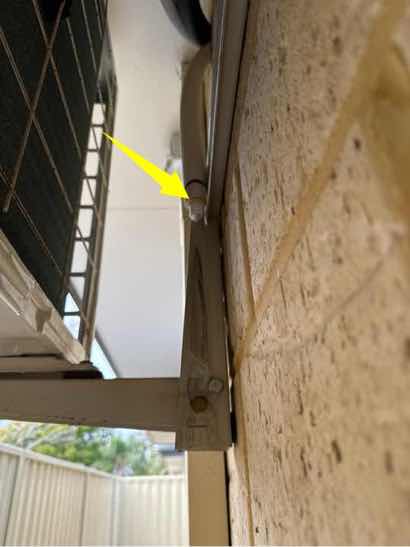
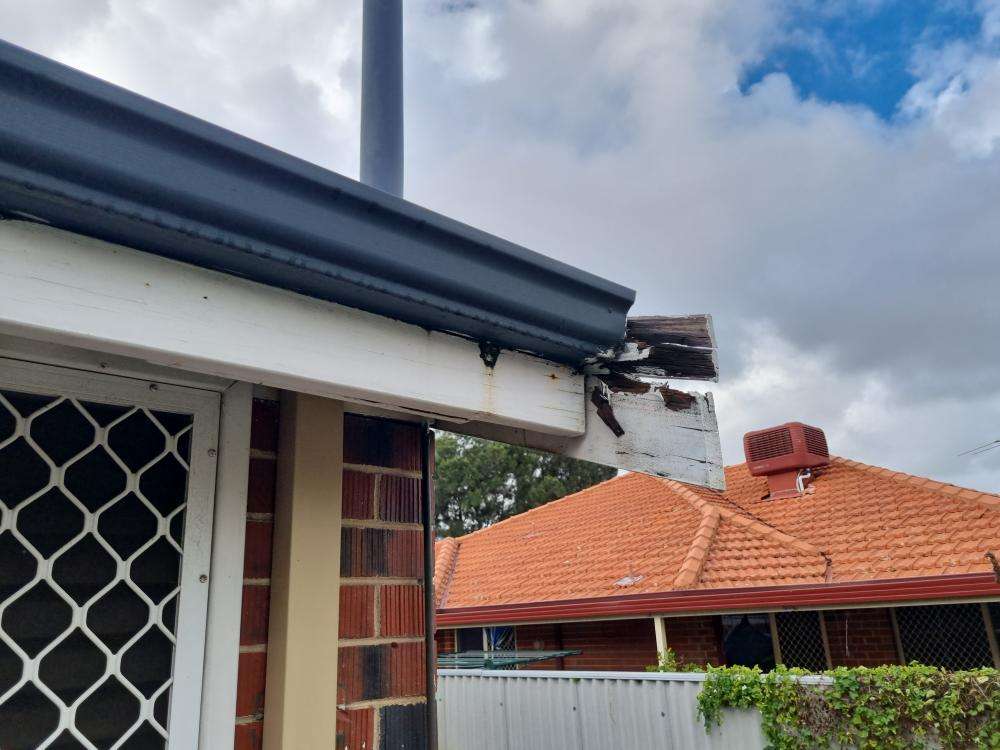
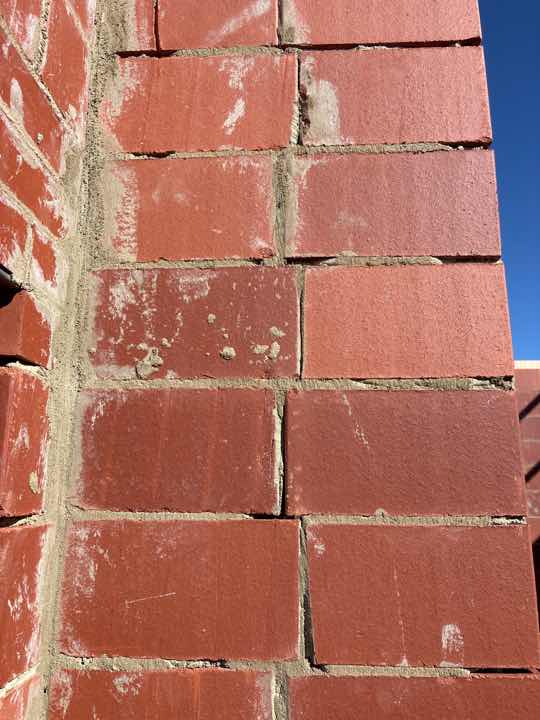
Built to last. Inspected to be SURE.
One inspection, twelve months of advice, and the same person on the other end of the phone every time you call. That is the part you do not see on the brochure.
9,237 inspections · 242,618 defects found · Inspector-owned franchises