
Building Inspections in Parramatta, Sydney
Stock profile · ABS 2021 Census
What’s here in Parramatta
- Separate houses
- 7.7%
- Semi-detached / townhouse
- 5.7%
- Flats & apartments
- 85.6%
11,749 occupied private dwellings
Local profile · ABS 2021 Census
Who lives in Parramatta
- Median age
- 32yrs
How Parramatta
was built
Parramatta carries the deepest European history of any Sydney suburb — founded in November 1788 as the Colony's second settlement, and named by the Dharug people of the Burramattagal clan for whom the river and its eels were a food source for generations before that. The earliest colonial buildings, among them Old Government House and Elizabeth Farm, survive in and around Parramatta Park and are among the oldest European structures on the continent. Through the nineteenth century Parramatta functioned as a regional market town and administrative centre for the Cumberland Plain, served by river ferry and then by rail from 1855. The twentieth century layered Housing Commission estates and light-industrial corridors over older weatherboard cottages, particularly through the post-war decades of the 1950s and 1960s when Commonwealth migration programmes brought large southern European communities to the suburb. A second and more dramatic transformation arrived from the early 2000s as NSW government policy designated Parramatta a second CBD — Parramatta Square, a cluster of government office towers, was constructed in stages through the 2010s, and the approvals for a wave of 20-to-50-storey residential towers reshaped the skyline. The Metro West line, when complete, will further accelerate densification. Building stock now ranges from heritage-listed Georgian sandstone to 1950s fibro cottages on shale clay to contemporary high-rise apartments, making Parramatta the most structurally diverse suburb in western Sydney.
What makes Parramatta worth it
-
Sydney's declared second CBD with Metro West access
State government policy has concentrated billions of dollars of office development in Parramatta Square, and the Metro West line will deliver 20-minute CBD travel times. Owner-occupiers and investors are buying ahead of that infrastructure shift.
-
Westfield Parramatta and Church Street dining on your doorstep
Westfield Parramatta is one of Sydney's top-five regional shopping centres, and Church Street's restaurant and café strip — particularly strong in Middle Eastern and Vietnamese cuisines — provides walkable dining density that rivals inner-city suburbs.
-
Westmead Health Precinct three minutes from the station
Westmead Hospital, the Children's Hospital at Westmead, and multiple private medical facilities form Australia's largest hospital precinct. For buyers working in health, the walk to work is a practical daily advantage.
-
Heritage precincts with character homes near the park
The streets north of Parramatta Park — Macquarie Street, George Street, and the Harris Park grid — retain Federation and interwar cottages under heritage controls that limit demolition. These homes offer genuine character in a tightly held pocket.
-
Entry-price flexibility across housing types
The combination of 1950s fibro and brick veneer houses, strata townhouses, and new-build apartments gives buyers a range of price points and configurations that most comparable Sydney suburbs cannot match.
Top defects in Parramatta
3 issues we find most.
From 15 SURE inspections in Parramatta. Each defect is anonymous. No property is identified.
3 defect types indexed across 15 inspections
Meet Rod Ismail
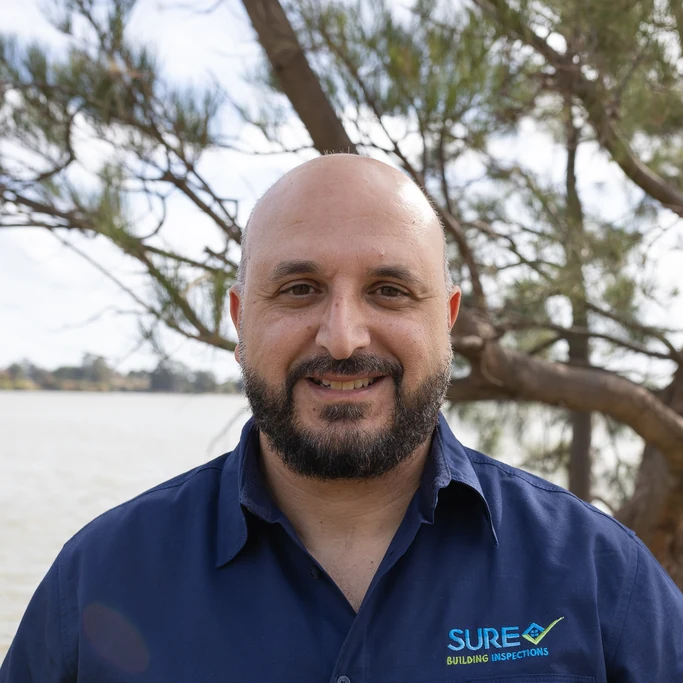
Rod Ismail inspects Parramatta and the whole western corridor from here to Penrith. Reactive clay, fibro, and high-rise apartments are his specialities. Territory: Western Sydney. Experience: 10+ years. Specialisations: reactive clay soils, fibro/asbestos identification, high-rise apartment defects. Rod typically responds within 2 hours on business days.
Local risks in Parramatta
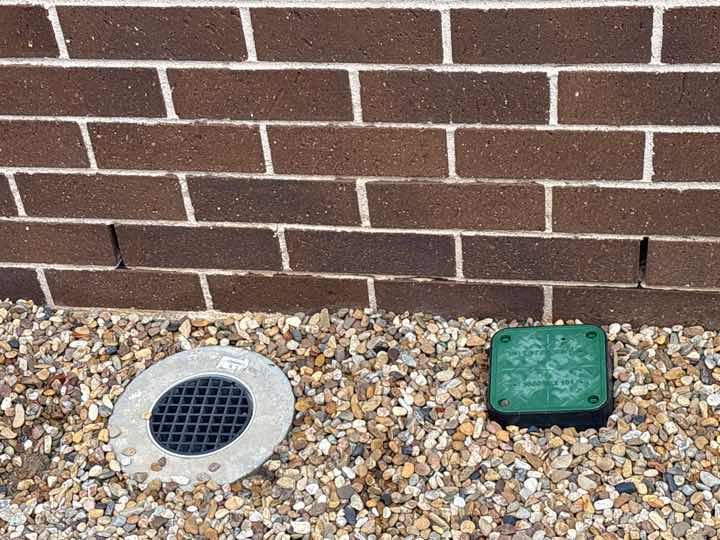
Parramatta is the most structurally diverse suburb in western Sydney, spanning Georgian sandstone from 1788, 1950s fibro cottages, and contemporary high-rise apartments from the second CBD development push. The suburb sits on Wianamatta shale, which produces reactive clay soils with shrink-swell movement across seasonal moisture cycles. In our Parramatta inspections, the most frequently identified issues are reactive clay soil movement in pre-1996 homes (assessed to AS 2870), termite activity in subfloor bearer-and-joist construction (the western basin has above-average timber pest pressure), and stormwater drainage deficiencies in older stock where clay soils limit drainage performance. Homes built before 1987 are assessed for bonded asbestos cement sheeting as standard scope. Post-2010 high-rise apartments are inspected for balcony junction waterproofing and envelope cracking, with a strata records review strongly recommended alongside any apartment inspection.
Common issues in Parramatta
Inspecting
Parramatta homes
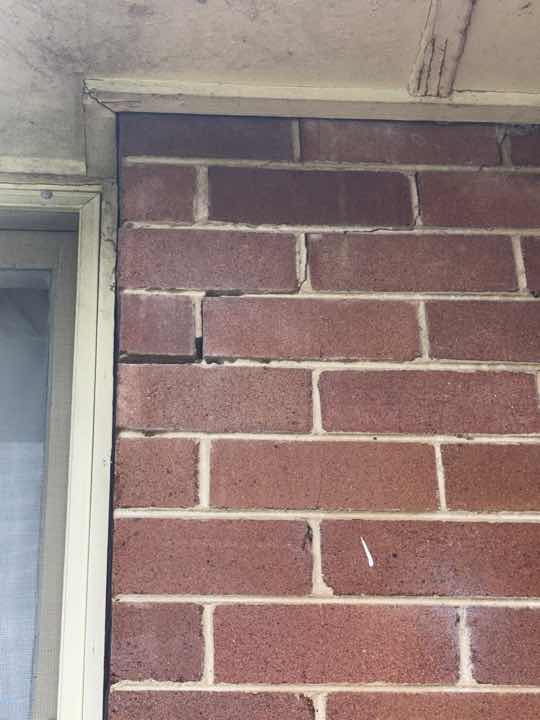
Parramatta sits on the Wianamatta shale formation, which produces highly reactive clay soils prone to shrink-swell movement with seasonal moisture change. Slab heave and differential footing cracking on pre-1996 houses are the dominant structural findings here — inspectors check to AS 2870 classification at purchase and look for stepped cracking at window and door openings, internal cornice separation, and sagging sub-floor bearers. Fibro and weatherboard homes built before 1987 typically contain bonded asbestos sheeting in eaves, wet-area linings, and external cladding — identification is mandatory under AS 4349.1 Annexure C scope. Termite pressure in the western basin is above average; subfloor bearer-and-joist condition and stump integrity require close attention under AS 4349.3. Federation and interwar terrace stock in the Harris Park grid shows rising damp through lime-mortar walls and lath-and-plaster ceiling failure. Post-2010 high-rise apartments around Parramatta Square are inspected for balcony junction waterproofing, inter-tenancy acoustic compliance, and envelope cracking — defects common in volume apartment construction of that era. A strata records review is strongly recommended alongside any apartment inspection.
DefectIndex
SURE has indexed 3 defects across 15 inspections in the Sydney region. That data underlies every finding we report in Parramatta.
Parramatta and surrounding suburbs
Tiles © Esri · Esri, HERE, Garmin, © OpenStreetMap contributors, and the GIS user community
Questions we hear about Parramatta
How much does a building inspection cost in Parramatta?
Pre-purchase building inspections in Parramatta start from $400. A combined building and pest inspection is from $530. Timber pest alone is from $250. Apartment inspections start from $550. The price we quote is what you pay, confirmed before booking.
How quickly can you inspect in Parramatta?
Rod Ismail can typically book within 24–48 hours for Parramatta. Book early and call to confirm same-day availability. Call 1300 787 327 or book online.
What defects are common in Parramatta?
Reactive clay soil movement in pre-1996 homes, termite activity in timber subfloors, and asbestos in pre-1987 fibro housing. For apartments, balcony waterproofing and envelope cracking in post-2010 high-rises. Each era needs a different inspection approach.
Do you inspect apartments in Parramatta?
Yes. Apartments make up 85.6% of dwellings here — Parramatta is essentially an apartment market. We inspect to AS 4349.1 Annexure B, checking balcony junctions, inter-tenancy walls, and envelope defects. A strata records review is strongly recommended to identify major works funds and outstanding defect orders.
Can I attend the inspection?
Absolutely. We encourage it. Rod will walk you through the findings and explain what reactive clay movement looks like versus normal settling. Most buyers find the on-site walkthrough more valuable than the written report alone.
What are the most common building defects found in Parramatta?
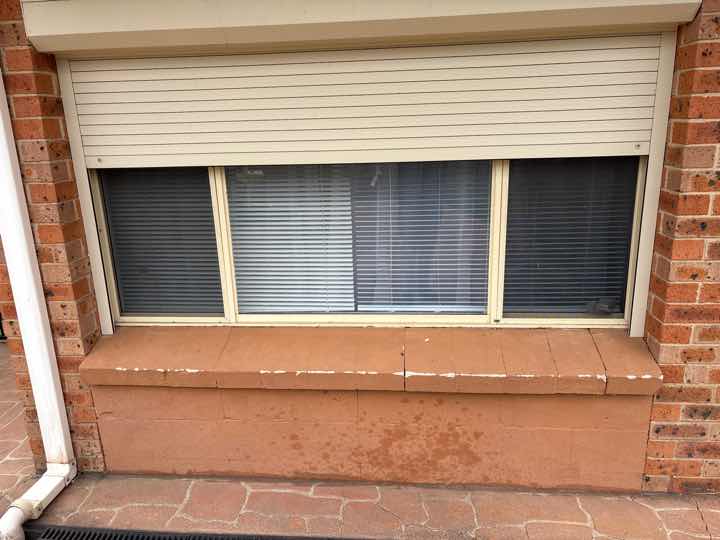
Based on an indicative sample of 15 SURE inspections carried out in Parramatta, the most common defects we identify are: External Doors Moisture Damage, External Wall Cracking due to Settlement, Patched Wall Cracks.
What structural issues are typical for homes in Parramatta?
Common structural findings we record in Parramatta include External Wall Cracking due to Settlement, Patched Wall Cracks. Each finding is reported alongside remedy recommendations and covered by 12 months free advice.
Is moisture a concern in Parramatta homes?
External Doors Moisture Damage are among the moisture-related findings recorded across 15 inspections in Parramatta. Our inspectors use moisture-meter readings to quantify any issue they detect.
Book an inspection
in Parramatta
More areas near Parramatta
Real defects our inspectors have flagged
Built to last. Inspected to be SURE.
One inspection, twelve months of advice, and the same person on the other end of the phone every time you call. That is the part you do not see on the brochure.
9,237 inspections · 242,618 defects found · Inspector-owned franchises