
Building Inspections in Liverpool, Sydney
Stock profile · ABS 2021 Census
What’s here in Liverpool
- Separate houses
- 24.3%
- Semi-detached / townhouse
- 10.1%
- Flats & apartments
- 65.0%
10,896 occupied private dwellings
Local profile · ABS 2021 Census
Who lives in Liverpool
- Median age
- 34yrs
How Liverpool
was built
Liverpool was gazetted by Governor Macquarie in 1810 as one of the original Cumberland Plain townships, making it among the oldest European-settled towns in Australia. Before European survey, the land belonged to the Dharug people, whose clans had occupied the Georges River valley and its surrounding Cumberland Plain clay soils for tens of thousands of years. The town's nineteenth-century character was agricultural and administrative, with grant allotments along the Georges River supporting grazing and market gardens. Steam railway connection from Sydney in 1856 began the slow accumulation of workers' cottages, but the defining transformation came after World War II. Between 1950 and 1970, displaced persons from Greece, Italy, and the Baltic states settled Liverpool alongside returned soldiers, and the paddocks surrounding the old town grid were subdivided and filled with brick-veneer and fibro-cement cottages on reactive Wianamatta shale clay lots. By the 1980s and 1990s, further arrivals from Lebanon, Vietnam, and later Sudan reshaped the suburb's demographic character. The 2000s onward brought high-rise apartment development around the CBD core and significant expansion of Liverpool Hospital — now one of Australia's largest teaching hospitals — while Western Sydney Airport's Aerotropolis designation has renewed infrastructure investment along the M7 corridor within 20 kilometres of the town centre.
What makes Liverpool worth it
-
Regional centre anchored by Liverpool Hospital and UNSW
Liverpool Hospital is one of the largest teaching hospitals in Australia, employing thousands of health and research workers. UNSW Medicine operates a full clinical school on the campus, creating year-round tenant demand from medical professionals and students within walking distance of residential streets.
-
Dual T2 and T5 rail lines plus Western Sydney Aerotropolis proximity
Liverpool Station puts the Sydney CBD roughly 50 minutes away on two separate lines, while the M7 motorway connects directly to the Western Sydney Airport site at Badgerys Creek. The Aerotropolis growth corridor has already driven significant employment and infrastructure investment along the corridor.
-
Westfield Liverpool anchoring a dense retail and commercial core
Westfield Liverpool is one of Sydney's largest suburban shopping centres, with over 400 tenancies across Macquarie Street and Northumberland Street precincts. The surrounding CBD supports a growing hospitality and services strip that has expanded markedly since 2015.
-
Entry-level Sydney house prices on established residential blocks
Post-war brick-veneer and fibro homes on 500 to 650 square metre blocks represent some of the most accessible detached house prices in the Sydney basin. The established tree canopy and street grid contrast with the featureless estates further west at similar or higher price points.
-
Strong tenant demand from healthcare, education, and logistics sectors
Three distinct employment anchors — Liverpool Hospital, UNSW Liverpool, and the industrial precincts along Newbridge Road — sustain rental demand across house and apartment stock. Logistics and warehouse employment along the M7 corridor adds a further catchment of shift workers seeking nearby accommodation.
Top defects in Liverpool
2 issues we find most.
From 18 SURE inspections in Liverpool. Each defect is anonymous. No property is identified.
2 defect types indexed across 18 inspections
Meet Rod Ismail
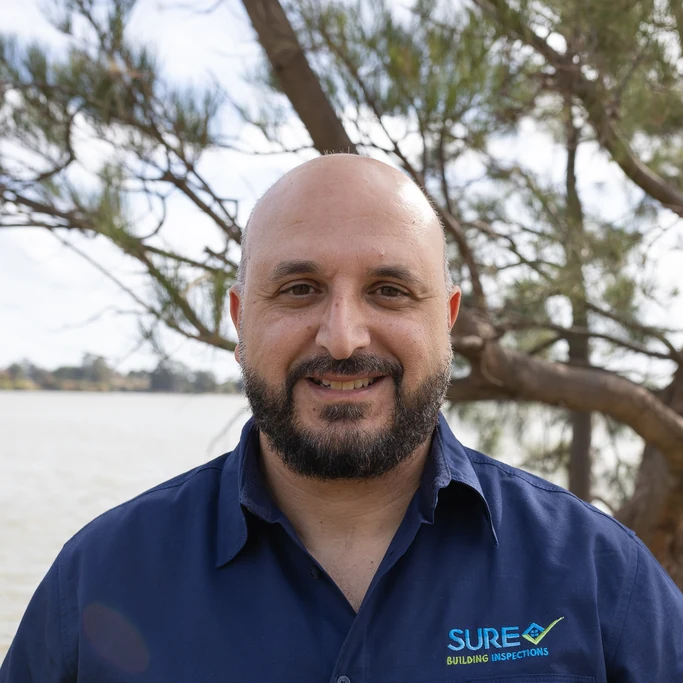
Rod Ismail covers Liverpool and the south-western Sydney corridor. He inspects the full range of Liverpool's housing stock — from 1950s–60s fibro and brick-veneer cottages through to 2000s-era CBD apartment towers — with particular expertise in reactive clay foundations, asbestos-cement identification, and Georges River corridor termite risk. - Territory: Western Sydney - Experience: 10+ years - Specialisations: Reactive clay slab assessment, fibro/asbestos-cement identification, Georges River corridor termite risk - Direct line: 1300 787 327 Rod typically responds within 2 hours on business days.
Local risks in Liverpool
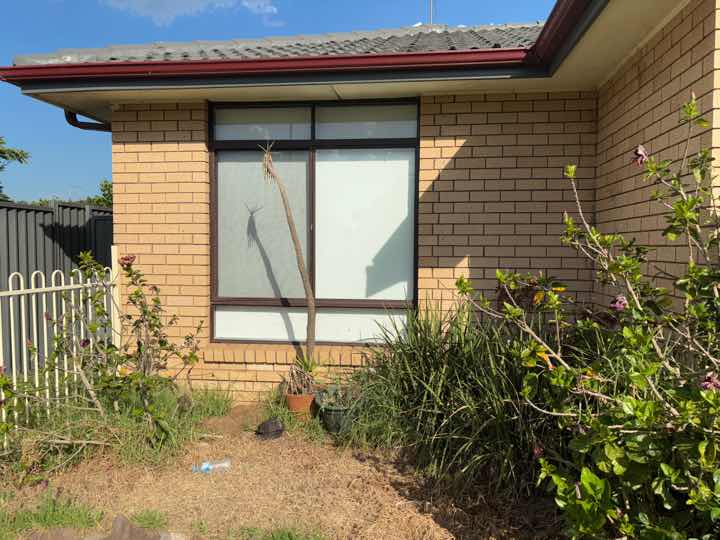
Liverpool is one of the oldest European-settled towns in Australia, and its housing reflects that layered history — post-war fibro and brick-veneer on reactive Wianamatta shale, 1970s–80s brick construction on established blocks, and 2000s high-rise apartments around the CBD core. The Georges River and South Creek drainage corridors elevate termite pressure across the suburb significantly above the Sydney-wide baseline. In Liverpool, we see a lot of: - Reactive clay foundation movement — Wianamatta shale clay beneath pre-1996 footings shrinks and swells seasonally. Diagonal cracking from window corners, sticking doors, and stepped brickwork are the standard presentation in the post-war residential streets. Typical repair: $4,000–$20,000 depending on whether movement is active. - Fibro-cement sheeting with bonded asbestos — homes built before 1987 in Liverpool will almost certainly have bonded chrysotile asbestos in wall cladding and eaves lining. Undisturbed it is low-risk; renovation disturbs it, requiring licensed removal at $80–$150 per square metre. - Elevated termite pressure from Georges River corridors — the Georges River and South Creek drainage system sustains active subterranean termite colonies with the soil-moisture gradient they need to forage. Timber sub-floors in older homes with garden beds against the base course are the highest-risk profile. Combined building and pest inspection is the standard recommendation for any pre-1985 property.
Common issues in Liverpool
Inspecting
Liverpool homes
Every SURE inspection in Liverpool covers structural, moisture, roof, drainage, and timber pest scope to AS 4349.1 and AS 4349.3. The suburb's dominant soil type is reactive Wianamatta Group shale clay, classified M to H1 under AS 2870. Strip and slab footings on this clay respond to seasonal moisture variation by swelling in winter and shrinking in dry summers, producing diagonal cracking from window corners and door-frame racking in homes that predate reactive-site footing design requirements. Fibro-cement cladding from the 1950s and 1960s should be treated as presumptively containing bonded chrysotile asbestos until a hazardous materials assessment says otherwise — this applies to wall sheeting, eaves lining, and internal wet-area linings. Termite pressure is elevated in streets backing onto the Georges River and South Creek drainage corridors, where moisture gradients sustain active subterranean colonies. Inspectors check sub-floor ventilation in timber-floor homes, weep-hole clearance in cavity-brick construction, and condition of concrete roof tiles, which in homes of this age are typically original and approaching end of service life. For apartment stock around the CBD, balcony-junction waterproofing and concrete-slab spalling on 2000s-era towers are material items; strata records should be reviewed before committing to purchase.
DefectIndex
SURE has indexed 2 defects across 18 inspections in the Sydney region. That data underlies every finding we report in Liverpool.
Liverpool and surrounding suburbs
Tiles © Esri · Esri, HERE, Garmin, © OpenStreetMap contributors, and the GIS user community
Questions we hear about Liverpool
Should I get an inspection on a 1960s Liverpool fibro home?
Strongly yes. Fibro-cement homes of this era will almost certainly contain bonded asbestos in wall sheeting and eaves lining, and the reactive Wianamatta clay beneath the slab will have caused decades of seasonal movement. A comprehensive inspection to AS 4349.1 Annexure C documents the structural, moisture, and hazardous-material condition fully before you commit to purchase. The 12 months FREE advice included with every SURE inspection keeps you covered through negotiations and the first year of ownership.
Are there termite risks specific to Liverpool?
Yes — Liverpool carries above-average termite pressure compared to the Sydney-wide baseline, driven by the Georges River and South Creek drainage corridors. Timber sub-floors in older homes with garden beds against the base course are the highest-risk profile. Inspectors check slab edges and weep holes for mud leads, and assess whether tree proximity is creating the soil-moisture gradient that attracts foraging termites. A combined building and timber pest inspection is the standard recommendation for any pre-1985 Liverpool property.
What does reactive Wianamatta shale clay mean for my foundations?
Wianamatta shale breaks down to a reactive clay that swells with moisture and shrinks in dry periods. On homes built before AS 2870 reactive-site requirements (roughly pre-1996), footings were designed for stable conditions and can crack or rack seasonally. The most common presentation is diagonal cracking from window corners and sticking internal doors. The defect is manageable but needs assessment before purchase, particularly in older streets near the Georges River flood fringe.
How long does a SURE report take and what if defects are found?
Reports are usually delivered the same day as the inspection, subject to access and availability, in PDF format with photos and plain-English severity ratings for every finding. If defects are identified — which is common in homes of this age and on reactive clay — you also receive 12 months FREE advice from your inspector. This means you can call back with follow-up questions as you get contractor quotes and negotiate the purchase price, at no extra charge.
Which inspection type do I need for a Liverpool apartment?
For a strata apartment in one of the CBD towers, a high-rise apartment inspection to AS 4349.1 Annexure B is the appropriate standard, combined with a strata records inspection. The records review matters in Liverpool because 2000s-era towers can carry outstanding special levies for waterproofing or concrete remediation work — a cost that transfers to the buyer and can run into tens of thousands of dollars.
What are the most common building defects found in Liverpool?
Based on an indicative sample of 18 SURE inspections carried out in Liverpool postcode area (2170), the most common defects we identify are: External Wall Cracking due to Settlement, No Visible Evidence of Previous Termite Treatment.
Are termite or timber pest concerns common in Liverpool?
Yes. Across 18 inspections in Liverpool postcode area (2170), the most common timber-pest findings include No Visible Evidence of Previous Termite Treatment. We recommend a timber-pest inspection alongside any pre-purchase building inspection here.
What structural issues are typical for homes in Liverpool?
Common structural findings we record in Liverpool postcode area (2170) include External Wall Cracking due to Settlement. Each finding is reported alongside remedy recommendations and covered by 12 months free advice.
More areas near Liverpool
Real defects our inspectors have flagged
Built to last. Inspected to be SURE.
One inspection, twelve months of advice, and the same person on the other end of the phone every time you call. That is the part you do not see on the brochure.
9,237 inspections · 242,618 defects found · Inspector-owned franchises