
Building Inspections in Campbelltown, Sydney
Stock profile · ABS 2021 Census
What’s here in Campbelltown
- Separate houses
- 51.1%
- Semi-detached / townhouse
- 13.8%
- Flats & apartments
- 34.9%
6,303 occupied private dwellings
Local profile · ABS 2021 Census
Who lives in Campbelltown
- Median age
- 34yrs
How Campbelltown
was built
Campbelltown stands on Tharawal Country, the land of the Tharawal (also spelled Dharawal) people, whose Country stretches south from the Georges River to the Shoalhaven and inland across the Illawarra Escarpment. Governor Macquarie established the township of Campbelltown in 1820, naming it after his wife, and it became one of five formal towns planned to anchor the Cumberland Plain during early colonial expansion. Sandstone and cedar buildings from this period — a courthouse, St Peter's Church, and a handful of colonial cottages — still form the heritage core around Queen and Dumaresq Streets. The town retained its rural market character through the nineteenth century and into the early twentieth, serving pastoral runs and small farms across the Liverpool Plains and the upper Georges River. The railway arrived in 1858, linking Campbelltown to Sydney and enabling daily commuting, but the distance — roughly 50 kilometres from the CBD — kept the town small until post-war planning identified it as a growth centre. From the 1960s onward the State Government directed Housing Commission construction across large tracts of Cumberland Plain shale, producing the fibro and brick veneer housing estates — in areas such as Bradbury, Claymore, and Airds — that still define much of the LGA's residential stock. The Wianamatta shale beneath these estates is highly reactive clay, and the combination of volume-builder construction techniques and reactive subsoil produced the slab cracking and footing movement patterns that remain the dominant defect category in the area today. Western Sydney University's Campbelltown campus, established in 1989, and the expanded Campbelltown Hospital have since added major employment anchors, while the emerging Western Sydney Aerotropolis to the north is driving renewed interest in the Macarthur region as a growth investment area.
What makes Campbelltown worth it
-
Macarthur Square as a major regional retail and civic hub
Macarthur Square on Gilchrist Drive is one of south-western Sydney's largest regional shopping centres, with over 200 tenancies, a major events cinema, and an attached civic precinct including the Campbelltown Library and Arts Centre. The centre draws from a catchment of over 200,000 residents across the Macarthur region.
-
Campbelltown Hospital and Western Sydney University employment anchors
Campbelltown Hospital on Therry Road is a principal referral hospital for south-western Sydney and employs thousands of healthcare workers. Western Sydney University's Campbelltown campus on Narellan Road adds a further employment and student rental demand driver within the suburb boundary.
-
T5 and T8 rail plus intercity services to the Sydney CBD
Campbelltown station is served by the T5 Cumberland and T8 Airport and South lines, with direct services to Central in approximately 60 to 75 minutes. Intercity services provide additional peak capacity. Park-and-ride and bus interchange at the station serve the wider Macarthur LGA.
-
Sydney's most affordable middle-sized houses with full land holding
Campbelltown consistently offers some of the lowest median house prices of any Sydney LGA with rail access to the CBD. Three and four-bedroom homes on 600-to-800 square metre blocks are available at price points that provide genuine freehold land ownership unavailable elsewhere within the metropolitan area at similar price levels.
-
Aerotropolis growth dividend driving infrastructure investment
The Western Sydney Aerotropolis at Badgerys Creek — approximately 35 kilometres north-west — is driving major road and rail investment across the Macarthur region. The proposed south-west extension of the Metro is expected to significantly improve connectivity and is already influencing land values in Campbelltown and surrounds.
Top defects in Campbelltown
Five issues we find most.
From 22 SURE inspections in Campbelltown. Each defect is anonymous. No property is identified.
15 defect types indexed across 22 inspections
Meet Rod Ismail
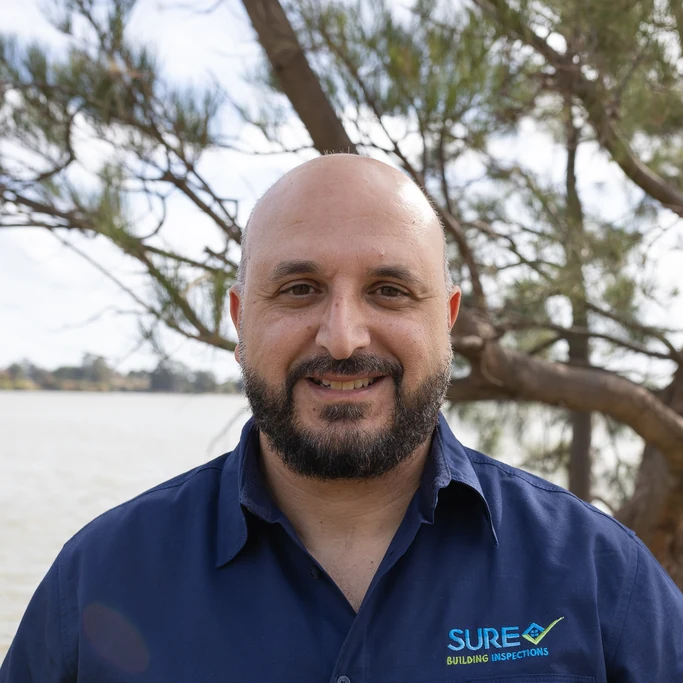
Rod Ismail covers Campbelltown and the broader Macarthur region as part of his Western Sydney territory. The area's highly reactive Wianamatta shale, volume-builder 1960s-80s Housing Commission stock, and bush-interface termite pressure are all well within Rod's inspection expertise. - Territory: Western Sydney (Macarthur region included) - Experience: 10+ years - Specialisations: Reactive clay foundations, 1960s-90s brick veneer, original-construction roof tiling - Direct line: 1300 787 327 Rod typically responds within 2 hours on business days.
Local risks in Campbelltown
Campbelltown's established residential suburbs — Bradbury, the original township grid, and the surrounding Housing Commission estates — sit on Wianamatta Group shale rated highly reactive (Class H2 to E) under AS 2870. This places Campbelltown at the more severe end of the reactive clay spectrum within greater Sydney. Volume-builder construction techniques applied across the 1960s to 1980s government housing estates produced perimeter-slab footings designed to the older, less conservative standards of that era. The combination of highly reactive subsoil and under-engineered footings produces the most concentrated pattern of slab cracking and differential footing movement seen anywhere in the western Sydney service area. Rod's inspections in Campbelltown regularly identify diagonal step cracking in external brickwork at window and door corners — a direct indicator of differential clay movement beneath the slab — alongside cornice-to-wall separation in secondary bedrooms and misaligned internal door frames. Under AS 3700 masonry requirements, cracks wider than 2mm in structural courses require engineering assessment to determine whether movement is historical or ongoing. In active cases, differential slab displacement can cause visible slope in floor levels measurable with a spirit level. Remediation costs in Campbelltown's highly reactive conditions typically run $8,000 to $28,000 for localised pier installation and slab stitching; perimeter re-footing on H2 or E-classified sites can reach $35,000. The Georges River and Bow Bowing Creek bush corridors to the east and north of the established suburbs create significant termite pressure across Campbelltown. Coptotermes acinaciformis activity is consistently detected in subfloor bearers and joists of older timber-framed homes along the creek interfaces. AS 4349.3 timber pest inspection is not optional here — it is the minimum required scope for any property with timber framing within one kilometre of the creek systems. Active treatment runs $2,500 to $4,500; structural timber replacement after established infestation ranges from $6,000 to $20,000. Fibro homes from the 1960s and 1970s also require bonded asbestos identification under BCA compliance review before any renovation.
Common issues in Campbelltown
Inspecting
Campbelltown homes
Every SURE inspection in Campbelltown covers structural, moisture, roof, drainage, and timber pest scope under AS 4349.1 and AS 4349.3. The suburb's Wianamatta shale clay — highly reactive under AS 2870, typically H2 to E classification — is the dominant inspection context. Housing Commission and volume-builder homes constructed across the 1960s to 1980s on reactive clay show the characteristic western-Sydney pattern: diagonal step cracking in brick courses from window corners, cornice-to-wall separation in secondary rooms, and in more active cases, differential slab movement affecting door frames and floor levels. Active cracking must be distinguished from historical settlement, as it materially affects repair costs. Fibrous-cement homes from the 1960s and 1970s almost certainly contain bonded asbestos in wall sheeting, wet-area linings, and eaves — this must be formally identified in a condition report. The Georges River and Bow Bowing Creek corridors create a significant termite pressure zone across the eastern and northern edges of the LGA; Coptotermes acinaciformis is active in the area and requires a full AS 4349.3 timber pest inspection on any property with timber framing. Newer estate housing on fill-compacted ground in the growth corridors may show early waterproofing failure at wet-area junctions and volume-builder workmanship defects typical of rapid-construction projects.
DefectIndex
SURE has indexed 15 defects across 22 inspections in the Sydney region. That data underlies every finding we report in Campbelltown.
Campbelltown and surrounding suburbs
Tiles © Esri · Esri, HERE, Garmin, © OpenStreetMap contributors, and the GIS user community
Questions we hear about Campbelltown
What building era dominates in Campbelltown?
The established suburbs within the Campbelltown LGA — Bradbury, Glen Alpine, and the original Campbelltown township — are dominated by 1960s to 1980s fibro, brick veneer, and Housing Commission housing on reactive shale. The growth edges, including Oran Park and Spring Farm, carry newer 2000s-to-present estate housing on fill-compacted ground. Both eras carry distinct defect profiles requiring different inspection approaches.
Are there soil issues specific to Campbelltown?
Highly reactive Wianamatta shale clay dominates the geological profile across the established Campbelltown suburbs. The combination of reactive subsoil and volume-builder slab construction produces a very high rate of cracking and footing movement on older homes. Bush and creek interfaces to the east and north add significant termite pressure. These two factors — reactive clay and termites — mean a combined structural and pest inspection is the minimum required scope here, not an optional add-on.
Which type of inspection do I need for a Campbelltown property?
For fibro or pre-1980 brick homes, a comprehensive inspection to AS 4349.1 Annexure A is the appropriate scope — it covers structure, moisture, roof, services, and timber pest in a single report. For newer brick or estate housing, a combined building and pest inspection is the standard recommendation. Every inspection should include a formal asbestos risk identification component for any pre-1990 home. The 12 months FREE advice included with every inspection supports you through the first year of ownership.
How quickly can SURE book an inspection in Campbelltown?
Campbelltown is within the south-western Sydney service area, with bookings typically available within 24 to 48 hours. Reports are usually delivered the same day as the inspection, subject to access and availability in PDF with photos and plain-English severity ratings for every finding. If defects are found — common in older Macarthur region housing — your 12 months FREE advice entitles you to ongoing inspector access for quotes review and maintenance decisions.
What's the typical inspection cost for a Campbelltown property?
A three-bedroom combined structural and timber pest inspection is around $610 inclusive of GST. A comprehensive inspection covering all maintenance defects is $720 for three bedrooms. An asbestos identification report can be added at the time of booking. Pool fence compliance inspections to AS 1926 are $440 flat, and CCTV drain inspections are available as an add-on for older properties with suspected root ingress.
What are the most common building defects found in Campbelltown?
Based on an indicative sample of 22 SURE inspections carried out in Campbelltown postcode area (2560), the most common defects we identify are: External Wall Cracking due to Settlement, No Visible Evidence of Previous Termite Treatment, Timber in Contact with Ground, Obstructed Roof Void due to Insulation, Pathways Cracks and Settlement.
Are termite or timber pest concerns common in Campbelltown?
Yes. Across 22 inspections in Campbelltown postcode area (2560), the most common timber-pest findings include No Visible Evidence of Previous Termite Treatment, Timber in Contact with Ground, Concealed Internal Wall Areas (Termite Risk). We recommend a timber-pest inspection alongside any pre-purchase building inspection here.
What structural issues are typical for homes in Campbelltown?
Common structural findings we record in Campbelltown postcode area (2560) include External Wall Cracking due to Settlement, Obstructed Roof Void due to Insulation. Each finding is reported alongside remedy recommendations and covered by 12 months free advice.
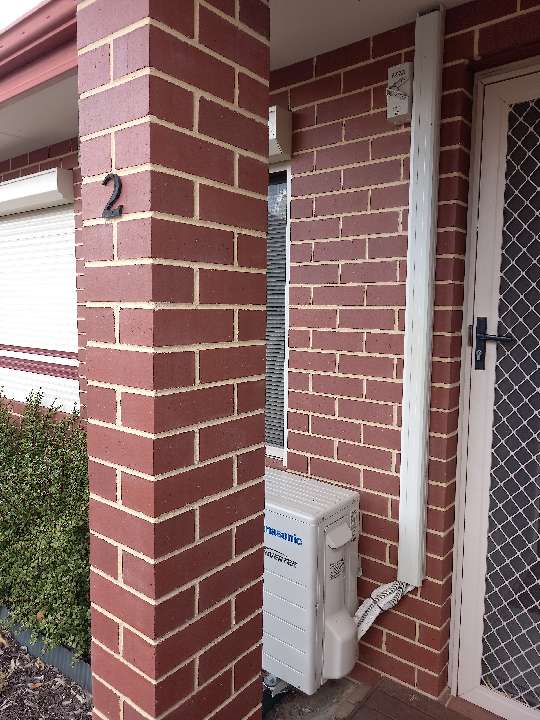
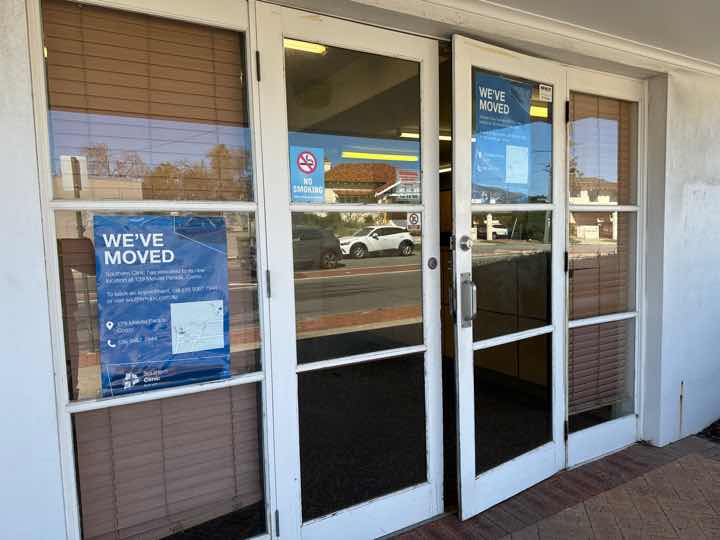
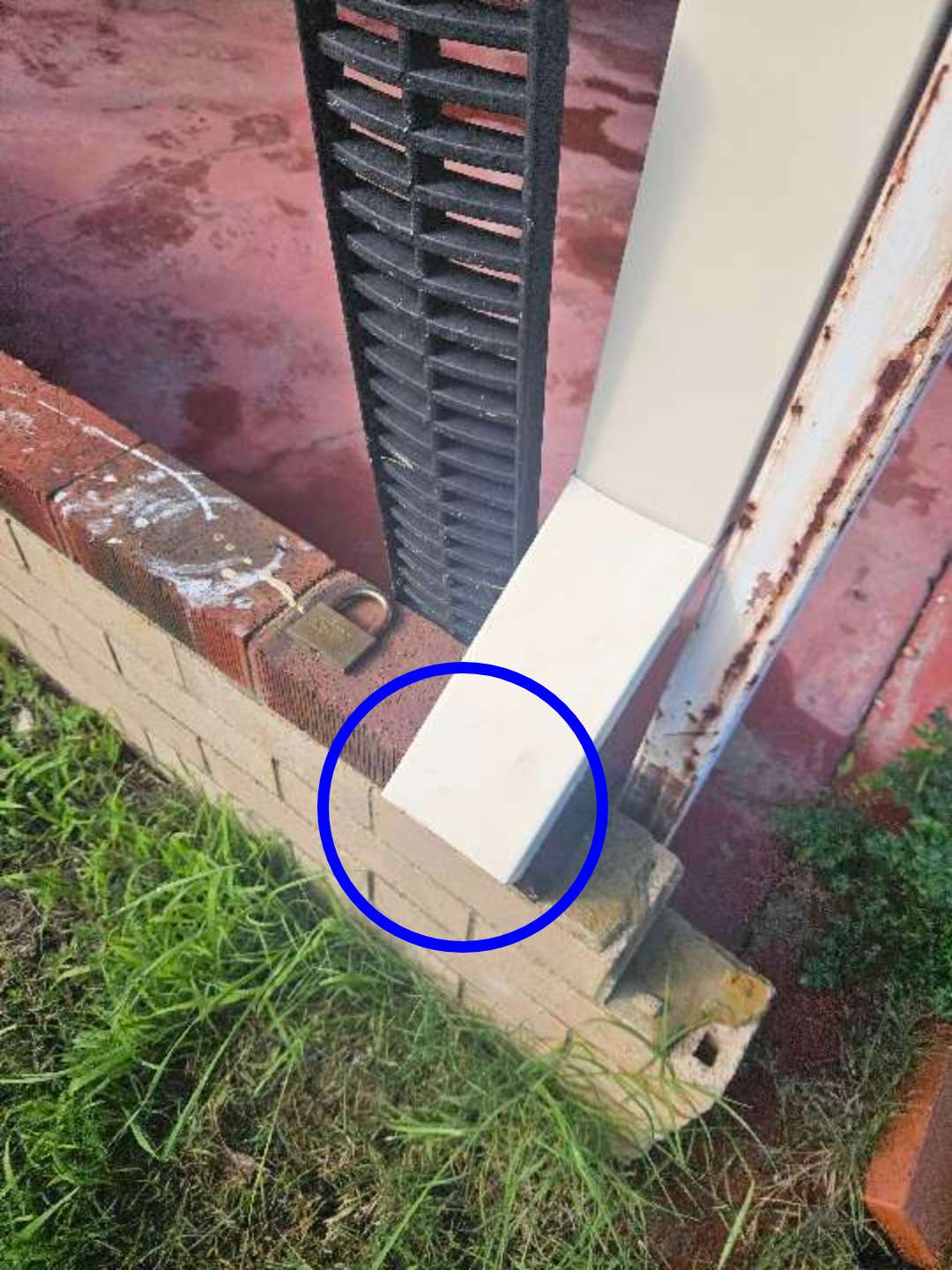
Real defects our inspectors have flagged
Built to last. Inspected to be SURE.
One inspection, twelve months of advice, and the same person on the other end of the phone every time you call. That is the part you do not see on the brochure.
9,237 inspections · 242,618 defects found · Inspector-owned franchises