
Building Inspections in Fairfield, Sydney
Stock profile · ABS 2021 Census
What’s here in Fairfield
- Separate houses
- 40.0%
- Semi-detached / townhouse
- 13.4%
- Flats & apartments
- 46.0%
5,978 occupied private dwellings
Local profile · ABS 2021 Census
Who lives in Fairfield
- Median age
- 40yrs
How Fairfield
was built
The Dharug people were the traditional custodians of the Cumberland Plain around Fairfield, occupying the open woodland and creek flats of the Prospect Creek and Cabramatta Creek catchments. The deep Wianamatta shale that underlies the western Sydney basin made this country markedly different from the sandstone ridges of the coast — the clay soils retained moisture, supported different vegetation, and would centuries later become the single most significant factor in the suburb's building defect story. European farming runs were established in the early colonial period, and Fairfield remained a rural township into the 1920s, serviced by the Main Western Railway Line through Fairfield Station. The suburb's transformation came rapidly after World War II, when government-led subdivision programs and the arrival of successive waves of southern European migrants — Italian, Greek, and later Lebanese and Vietnamese communities — turned thousands of hectares of market garden into standard suburban blocks within a decade. The 1950s and 1960s produced Fairfield's dominant housing stock: fibro-cement and brick veneer homes on 600-to-700 square metre blocks, typically single-storey with a simple hip roof and a concrete perimeter footing intended for the class-S or class-M reactive clay sites that make up most of the suburb. The 1970s added a belt of brick townhouses along the major corridors. Fairfield Hospital, which opened in Prairiewood in 1956, and Fairfield TAFE have anchored consistent public employment across the post-war decades. The suburb is today one of the most culturally diverse local government areas in Australia.
What makes Fairfield worth it
-
Dual rail access to Sydney CBD and Parramatta on T2 and T5 lines
Fairfield Station is served by both the T2 Inner West and Leppington Line and the T5 Cumberland Line, giving residents direct rail options to both the CBD and Parramatta — western Sydney's second major employment centre — without changing trains. Peak services reach Central in approximately 40 minutes.
-
Fairfield Hospital and TAFE as major local employment anchors
Fairfield Hospital in Prairiewood and Fairfield TAFE on The Horsley Drive are among the largest local employers in the LGA. Together they support consistent demand for rental accommodation across the suburb's fibro and brick veneer housing stock, particularly from healthcare and education workers.
-
Fairfield Forum and Neeta City for retail
Fairfield Forum on Smart Street and Neeta City on Ware Street provide the suburb's major retail anchors within walking distance of the station. The Fairfield Road and The Horsley Drive corridors extend the local retail and dining offer across the broader LGA.
-
Strong multicultural food and community character
Fairfield hosts one of Sydney's most diverse concentrations of Vietnamese, Lebanese, Assyrian, and Pacific Islander communities, producing a local food scene — particularly along Cabramatta Road in adjacent Cabramatta — that draws visitors from across Sydney. The cultural depth of the community is a consistent quality-of-life advantage.
-
One of the most affordable entry points on a dual-rail Sydney corridor
Fairfield consistently offers some of the lowest median house prices of any suburb with two separate rail lines in the Sydney basin. For first-home buyers and investors seeking yield, the combination of established infrastructure and relative affordability is rarely replicated closer to the city.
Meet Rod Ismail
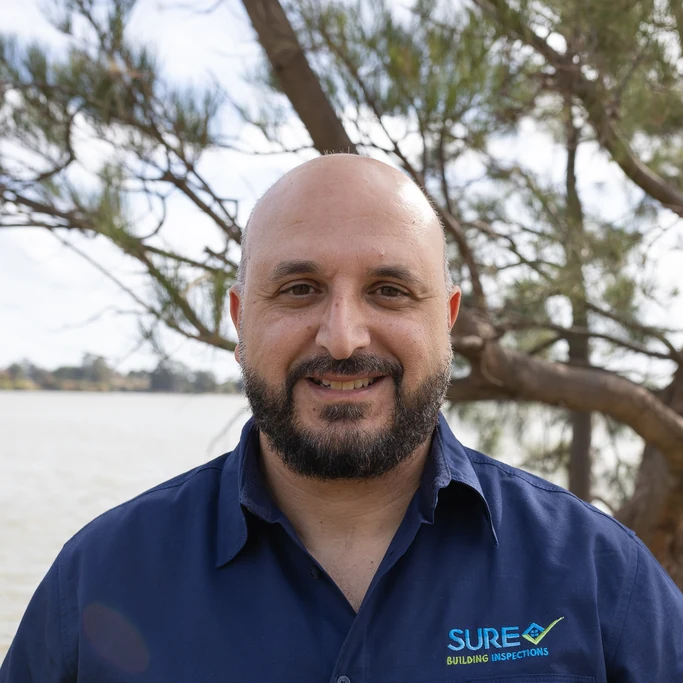
Rod Ismail covers Fairfield and the wider Fairfield LGA as part of his Western Sydney territory. Fairfield's post-war fibro and brick veneer on reactive Wianamatta shale — combined with above-average termite pressure from the Prospect Creek and Cabramatta Creek corridors — is one of the most technically demanding inspection briefs in Rod's patch. - Territory: Western Sydney - Experience: 10+ years - Specialisations: Reactive clay foundations, 1960s-90s brick veneer, original-construction roof tiling - Direct line: 1300 787 327 Rod typically responds within 2 hours on business days.
Local risks in Fairfield
Fairfield sits on Wianamatta Group shale and alluvial pockets along the Prospect Creek and Cabramatta Creek corridors. The shale geology produces reactive clay soils classified Class M to H1 under AS 2870 across most of the residential grid, while the alluvial pockets along the creek flats introduce additional variability in bearing capacity and drainage behaviour. The suburb's dominant housing stock — fibrous-cement and brick veneer homes on perimeter slabs from the 1950s through the 1970s — was designed to the reactive site standards of that era, and foundation movement is the single most consistently reported defect category in Fairfield inspections. For fibro and brick veneer homes of this era, Rod's standard inspection findings include diagonal step cracking in external brickwork running from window and door corners, cornice-to-wall separation in secondary bedrooms, and sticking internal door frames caused by differential slab-edge displacement. Under AS 3700 masonry standards, structural crack widths exceeding 2mm require engineering assessment. Reactive clay remediation in Fairfield typically costs $5,000 to $18,000 for localised pier installation and slab stitching; perimeter underpinning on H1-classified sites with active ongoing movement can reach $25,000. Fibro-cement sheeting on pre-1990 homes contains bonded asbestos in wall cladding, eave boards, and wet-area linings — a standard inspection identification item under BCA compliance review, with licensed removal costing $80 to $150 per square metre before renovation. Termite pressure is above the Sydney average across the Fairfield LGA, driven by the moisture-retentive Wianamatta clay, established vegetation along the creek corridors, and the high volume of timber-framed construction still present in the 1950s-70s housing stock. Coptotermes acinaciformis colonies forage through subfloor bearer-and-joist systems and into wall framing, with damage often concealed behind paint or plasterboard until it becomes structural. Active termite treatment costs $2,500 to $4,500; structural timber replacement after an unchecked infestation ranges from $7,000 to $22,000. Rod conducts full AS 4349.3 timber pest inspections as standard on all Fairfield properties with timber framing.
Common issues in Fairfield
Inspecting
Fairfield homes
Every SURE inspection in Fairfield covers structural, moisture, roof, drainage, and timber pest scope under AS 4349.1, with AS 4349.3 timber pest inspection included as standard. Fairfield's Wianamatta shale is a reactive clay classified as class M or class H1 under AS 2870 across much of the suburb, meaning that footings on many pre-1996 homes were designed to older, less conservative reactive site standards. Seasonal soil movement — shrinkage in dry summers and swell after rain — produces the diagonal cracking from window corners and sticking doors that inspectors see as a consistent pattern in Fairfield's fibro and brick veneer stock. Fibro-cement sheeting on pre-1990 homes is assessed for bonded asbestos in wall cladding and eave linings — this is a standard inspection item and a compliance note is included in all reports. Termite pressure is above the Sydney average along the Prospect Creek and Cabramatta Creek corridors, where moisture and established vegetation create favourable conditions for subterranean termite colonies. Subfloor ventilation adequacy in post-war homes with crawl-space construction is checked as a standard item; blocked or poorly distributed vents are a recurring maintenance finding. 1970s brick townhouse stock commonly shows ageing flexible flashings and wet-area waterproofing past design life.
Fairfield and surrounding suburbs
Tiles © Esri · Esri, HERE, Garmin, © OpenStreetMap contributors, and the GIS user community
Questions we hear about Fairfield
Should I get an inspection on a 1960s fibro home in Fairfield?
Definitely. Fibro homes from this era carry bonded asbestos in the wall sheeting and eave linings, and the reactive Wianamatta shale beneath most of the suburb means footing movement and wall cracking are common findings. Our Fairfield reports most frequently note diagonal cracking from window corners, subfloor ventilation inadequacy, and asbestos material presence. The 12 months FREE advice with every SURE inspection covers you through the first year of ownership as you prioritise repairs.
What is the reactive clay risk in Fairfield?
Wianamatta shale produces moderately to highly reactive clay soils across most of Fairfield. Under AS 2870, the site classification is typically M or H1, meaning footings need to accommodate meaningful seasonal soil movement. Pre-1996 homes were often built to older standards, and the resulting movement shows up as cracked brickwork, sticking doors, and diagonal wall cracking. Inspectors assess the severity and likely cause before recommending next steps.
Is asbestos a concern in Fairfield properties?
Yes, and it is a routine inspection item. Fibro-cement homes built before 1990 may contain bonded asbestos in wall cladding, eave linings, internal wet-area linings, and roofing materials. Inspectors identify suspect materials and note their condition and disturbance risk. Bonded asbestos in sound condition can be managed in place, but the presence and condition must be disclosed and factored into renovation plans.
How quickly are reports delivered and what follow-up is available?
Reports are usually delivered the same day as the inspection, subject to access and availability, in PDF with photographs and plain-English severity ratings. Every finding comes with 12 months FREE advice from your inspector — particularly useful in Fairfield where reactive clay cracking and asbestos management questions often arise months after settlement when renovation work begins.
Who carries out inspections in Fairfield?
Rod Ismail covers Fairfield and the wider western Sydney LGA. Rod holds CPPHON4013 and CPPUPM3008 and is experienced with fibro-cement asbestos assessment, reactive Wianamatta shale footing behaviour, and the post-war housing stock that dominates the western suburbs corridor. Every Fairfield booking routes directly to Rod.
More areas near Fairfield
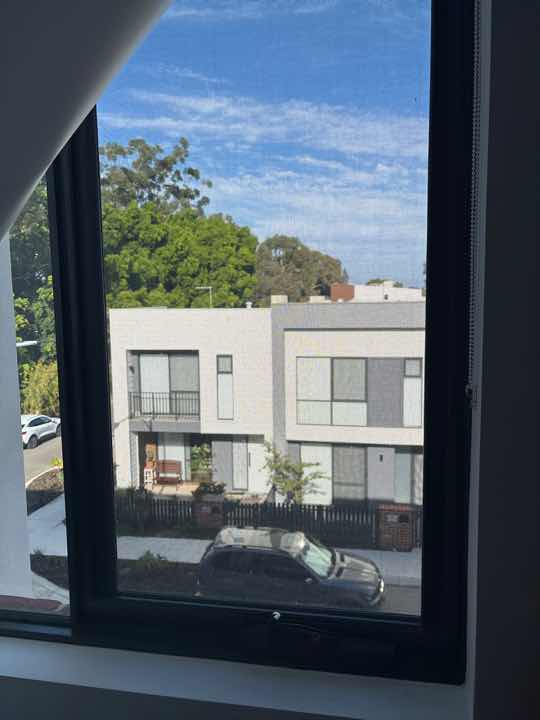
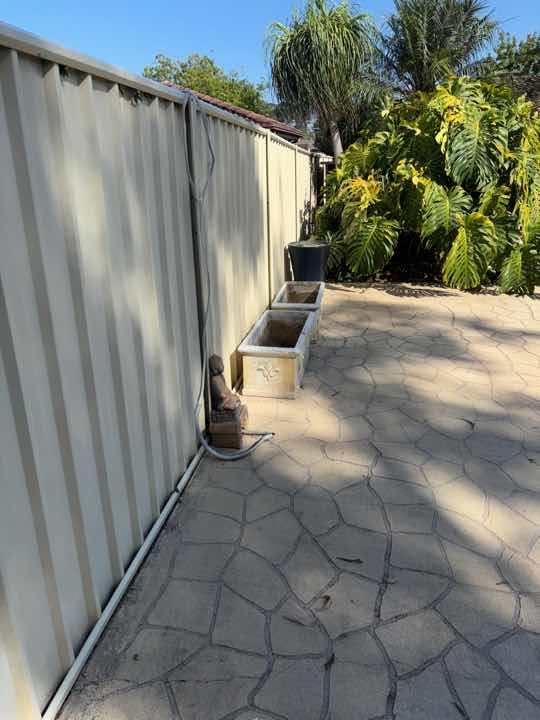
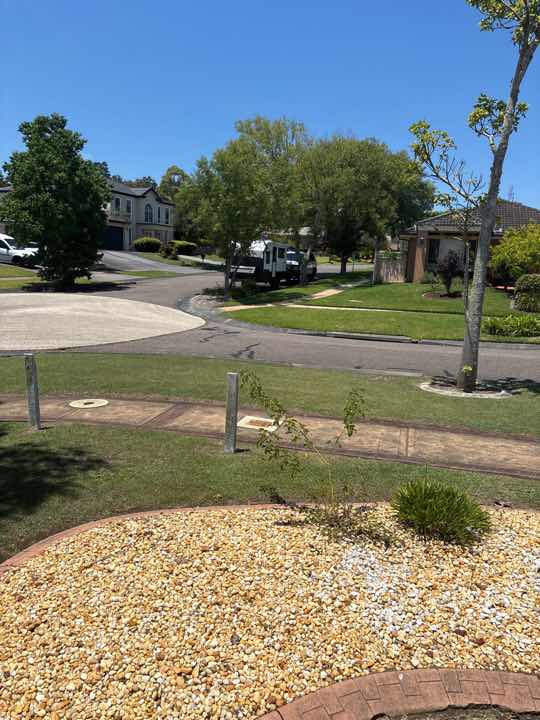
Real defects our inspectors have flagged
Built to last. Inspected to be SURE.
One inspection, twelve months of advice, and the same person on the other end of the phone every time you call. That is the part you do not see on the brochure.
9,237 inspections · 242,618 defects found · Inspector-owned franchises