
Building Inspections in Bankstown, Sydney
Stock profile · ABS 2021 Census
What’s here in Bankstown
- Separate houses
- 30.0%
- Semi-detached / townhouse
- 10.1%
- Flats & apartments
- 58.5%
10,980 occupied private dwellings
Local profile · ABS 2021 Census
Who lives in Bankstown
- Median age
- 34yrs
How Bankstown
was built
Bankstown sits on Dharug Country, the rolling Cumberland Plain land of the Dharug people who lived along the Georges River and its tributaries for tens of thousands of years before European settlement. The area was granted to colonial farmers after 1799, with the first allotments running as cereal farms and later market gardens serving the expanding colony. The Bankstown rail branch, opened in 1895 under the Metropolitan Railway, triggered the first subdivision wave: modest timber cottages were built within walking distance of the station, but growth remained slow through the interwar decades. The suburb's character was decisively set by post-war immigration policy. Between 1947 and 1965 Bankstown received large numbers of Lebanese, Greek, and Italian migrants, and the Housing Commission constructed thousands of fibrous-cement and brick veneer homes across a grid of new streets. The dominant housing form on the residential streets west of the station — three-bedroom fibro or brick veneer on a 550-to-700 square metre Wianamatta shale block — dates almost entirely from this 1950-to-1970 window. The Cumberland Plain clay beneath these homes is moderately to highly reactive, meaning slab movement and footing cracking are standard inspection findings on homes of this era. A further wave of development followed in the 1980s and 1990s as Bankstown Central was expanded and medium-density townhouses filled larger corner blocks. The most recent decade has brought a transformation around the station: the planned Metro conversion of the T3 line has driven a high-rise apartment boom that is reshaping the urban core, adding thousands of dwellings above podium retail. The older fibro and brick streets survive largely intact behind this new skyline.
What makes Bankstown worth it
-
Bankstown Metro station at the suburb's commercial core
The planned Metro West conversion of the T3 line will put Bankstown within roughly 20 minutes of the Sydney CBD via high-frequency metro rail. The station sits directly beneath Bankstown Central, making it one of the best-integrated transit and retail nodes in outer-western Sydney.
-
Bankstown Central and Chapel Road retail precinct
Bankstown Central is one of the largest regional shopping centres in south-western Sydney, with over 300 tenancies covering major anchors, dining, and services. Chapel Road and the surrounding streets add a dense strip of independent retail catering to the suburb's diverse resident base.
-
Bankstown-Lidcombe Hospital and TAFE employment anchor
Bankstown-Lidcombe Hospital, on Eldridge Road, employs thousands and generates steady rental demand from healthcare workers. TAFE NSW Bankstown and Western Sydney University's nearby campuses add a large student and staff population that underpins the rental market.
-
Entry-level house pricing in a middle-ring location
Bankstown offers some of the lowest median house prices within 20 kilometres of the Sydney CBD. Older fibro or brick veneer homes on full 600-square-metre blocks regularly trade at prices that represent genuine value relative to the suburb's transport and infrastructure endowment.
-
Broad stock mix from fibro cottages to high-rise apartments
Buyers can choose from 1950s fibro on large blocks, 1970s brick veneer, 1990s townhouses, and brand-new high-rise apartments above the station precinct. This range supports investors targeting different tenant profiles and owner-occupiers at varied price points.
Meet Rod Ismail
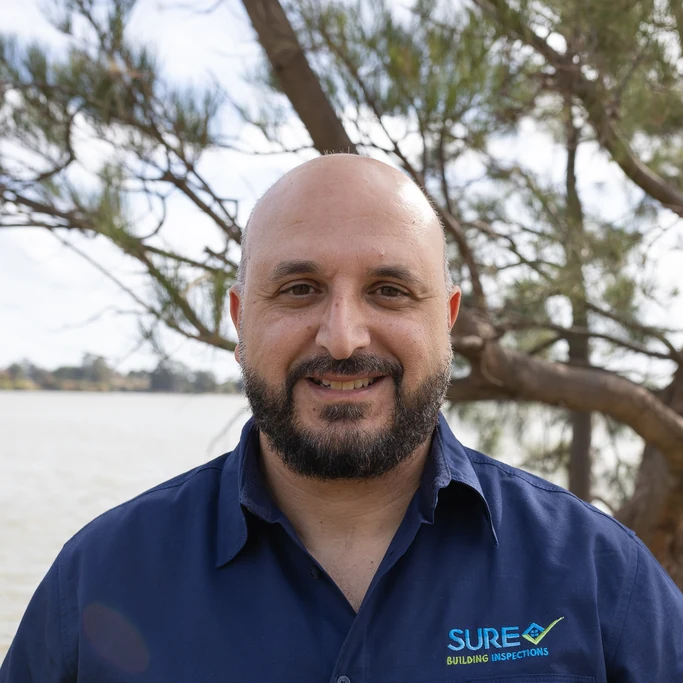
Rod Ismail covers Bankstown and the Canterbury-Bankstown corridor as part of his Western Sydney territory. Bankstown's high concentration of post-war fibro on reactive Wianamatta shale, combined with a growing high-rise apartment layer near the station, is the exact brief Rod handles across his core territory. - Territory: Western Sydney - Experience: 10+ years - Specialisations: Reactive clay soils, fibro/asbestos identification, post-war brick veneer - Direct line: 1300 787 327 Rod typically responds within 2 hours on business days.
Local risks in Bankstown
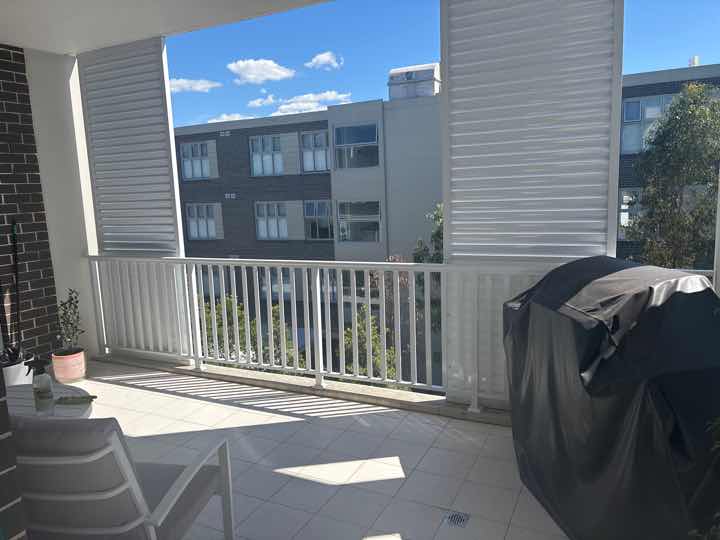
Bankstown's residential grid is built almost entirely on Wianamatta Group shale — a reactive clay geology classified H1 to H2 under AS 2870. The post-war housing boom that shaped the suburb between 1950 and 1970 produced fibrous-cement and brick veneer homes on perimeter-slab footings that were designed to older, less conservative reactive site standards. Seasonal moisture fluctuation causes the clay to shrink and swell beneath these slabs, and the resulting movement is the single most frequently recorded defect category in Bankstown inspections. For brick veneer and fibro homes of this era, Rod regularly identifies diagonal step cracking in external brickwork running from window corners — a reliable indicator of differential footing movement. Under AS 3700 masonry standards, cracks wider than 2mm in structural brickwork require engineering assessment. Cornice-to-wall separation in secondary bedrooms is another consistent finding, as is sticking or misaligned door frames caused by out-of-square slab edges. Slab remediation costs in this context typically range from $5,000 for localised stabilisation to $20,000 or more for perimeter underpinning. Bankstown's fibro stock — which covers much of the residential grid west of the station — almost certainly contains bonded asbestos cement sheeting in wall linings, eave boards, and wet-area soffits. Bonded asbestos in sound, undisturbed condition is a managed risk; damaged or friable material requires licensed removal at $80 to $150 per square metre before any renovation work can proceed. The station-precinct apartment stock dating from the 2000s onward presents a distinct defect profile: balcony waterproofing junction failure and façade penetrations are recurring findings, and BCA Part 3.5 compliance at wet-area junctions warrants close attention. Wet-area rectification in apartments typically runs $4,000 to $10,000 per bathroom depending on water damage extent.
Common issues in Bankstown
Inspecting
Bankstown homes
Every SURE inspection in Bankstown covers structural, moisture, roof, drainage, and timber pest scope under AS 4349.1 and AS 4349.3. The suburb's defining inspection challenge is its Wianamatta shale subsoil, a moderately to highly reactive clay that responds to seasonal moisture fluctuations by swelling and shrinking beneath slabs and strip footings. On pre-1996 homes, this produces diagonal step cracking in external brickwork, cornice-to-wall separation in secondary bedrooms, and in more significant cases, differential footing drop that affects door and window frames. AS 2870 site classification H1 or H2 is typical for the area, and any purchase of an older brick veneer or fibro home on clay should include a close examination of crack patterns for ongoing movement. Fibro homes from the 1950s and 1960s almost certainly contain bonded asbestos in wall sheeting, eaves, and wet-area linings — a condition report must identify this. Timber sub-floor spaces on older homes require inspection for termite activity and decay; western Sydney has significant Coptotermes acinaciformis pressure. The 2000s-onward apartment stock near Bankstown station warrants attention to balcony waterproofing junctions, slab edge spalling, and fire-safety system documentation. Strata records review is essential for any apartment purchase.
Bankstown and surrounding suburbs
Tiles © Esri · Esri, HERE, Garmin, © OpenStreetMap contributors, and the GIS user community
Questions we hear about Bankstown
What building era dominates in Bankstown?
The core residential streets are overwhelmingly 1950s to 1970s post-war housing — a mix of fibrous-cement and brick veneer three-bedroom homes on Wianamatta clay. The station precinct has seen a high-rise apartment wave from the 2000s onward, driven by the Metro conversion. Both eras carry distinct defect profiles that require different inspection scopes: combined structural and pest for older houses, and strata-plus-building for apartments.
Are there soil issues specific to Bankstown?
Wianamatta shale clay is the dominant subsoil across most of the Bankstown residential grid. These clays are moderately to highly reactive under AS 2870 classification, meaning seasonal moisture change drives measurable slab and footing movement. Inspectors assess crack patterns in brickwork and cornices for evidence of ongoing movement versus historical settlement. Tree-root systems near older slab edges can accelerate the process by drawing soil moisture and creating differential shrinkage. A 12 months FREE advice period with your inspection helps you monitor any post-purchase movement.
Which type of inspection do I need for a Bankstown property?
For fibro or pre-1980 brick homes, a comprehensive inspection to AS 4349.1 Annexure A covers structure, moisture, roof, services, and timber pest in a single report. For brick veneer built after 1980, a combined structural and pest inspection is typically sufficient. For apartments in the station precinct, a high-rise strata inspection to AS 4349.1 Annexure B — combined with a review of strata body corporate records — is the appropriate scope.
How quickly can SURE book an inspection in Bankstown?
Bankstown is within the core western-Sydney service area, and bookings are typically available within 24 to 48 hours of your request. The report is delivered the same day as the inspection in PDF format with photos and plain-English severity ratings. If defects are found, the included 12 months FREE advice gives you direct access to your inspector for quotes review and negotiation support.
What's the typical inspection cost for a Bankstown property?
A three-bedroom combined structural and timber pest inspection is around $610 inclusive of GST. A comprehensive inspection covering all maintenance items is $720 for three bedrooms. High-rise apartment inspections start from $550 for a one-bedroom unit. Asbestos identification reporting and pool fence compliance inspections can be added at the time of booking.
More areas near Bankstown
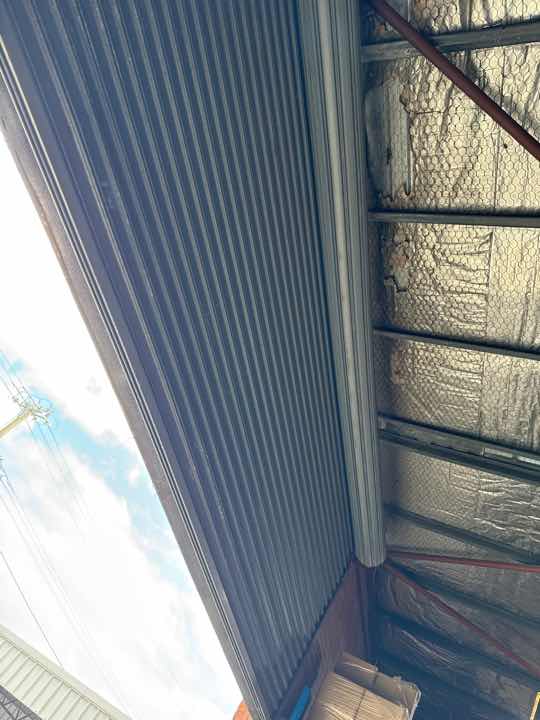
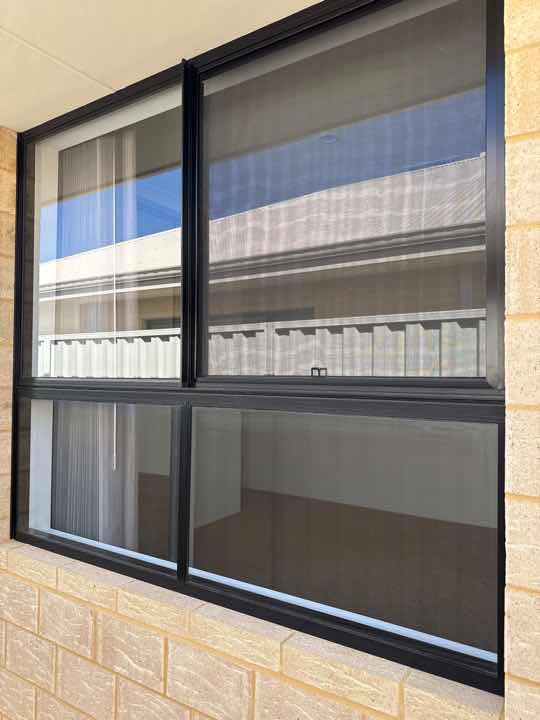
Real defects our inspectors have flagged
Built to last. Inspected to be SURE.
One inspection, twelve months of advice, and the same person on the other end of the phone every time you call. That is the part you do not see on the brochure.
9,237 inspections · 242,618 defects found · Inspector-owned franchises