
Building Inspections in Penrith, Sydney
Stock profile · ABS 2021 Census
What’s here in Penrith
- Separate houses
- 36.0%
- Semi-detached / townhouse
- 20.4%
- Flats & apartments
- 43.4%
7,837 occupied private dwellings
Local profile · ABS 2021 Census
Who lives in Penrith
- Median age
- 36yrs
How Penrith
was built
Penrith's origins lie in the need to cross the Hawkesbury-Nepean River, and a government punt was established at the river flat by 1815 — a decade before the Blue Mountains crossing opened the inland to wool grazing. The town that grew around the crossing functioned as a staging post and market centre for the Cumberland Plain, and its role was cemented by the Great Western Railway reaching Penrith in 1863. For the first half of the twentieth century Penrith remained a modest country town at the western edge of Sydney's urban fringe — the Dharug people of the Mulgoa and Emu Plains clan country that surrounds it had occupied the river terraces for tens of thousands of years before that displacement. Post-war suburban expansion brought brick veneer housing estates through the 1950s to 1970s and the M4 motorway extended in 1987 accelerated the suburb's integration with greater Sydney. The Nepean Hospital at Kingswood and Western Sydney University's Penrith campus became the suburb's largest employers through the 1990s. The Western Sydney Airport at Badgerys Creek, approved 2014, has focused significant speculative and infrastructure attention on the outer-west corridor in which Penrith sits as the established regional centre. Today the suburb mixes 1950s-80s brick veneer and fibro on the older residential grid with 1990s-2000s estate development on the suburban margins and a growing core of townhouses and mid-rise apartments around the Westfield and station precinct.
What makes Penrith worth it
-
Most affordable T1-line suburb within 90 minutes of the CBD
Penrith Station sits on the T1 Western Line and intercity services, with the CBD reachable in around 70 minutes. House prices remain well below inner and middle-ring suburbs at comparable lot sizes, making Penrith the clearest value case in greater western Sydney for owner-occupiers and investors alike.
-
Westfield Penrith and a compact CBD with retail depth
Westfield Penrith anchors the retail core alongside High Street's independent dining strip. The combination of a regional shopping centre, Nepean Hospital employment, and Western Sydney University campus makes the suburb largely self-sufficient for daily life without commuting.
-
Western Sydney Airport growth corridor within 20 km
The Badgerys Creek airport precinct and the planned Aerotropolis employment zone sit approximately 20 kilometres south-east of Penrith Station. Infrastructure spending on connecting roads and rail is already flowing through the outer-west corridor, supporting the medium-term investment thesis.
-
Nepean River, Blue Mountains foothills, and open space
The Nepean River reserve at Tench Reserve provides parkland, cycling paths, and water access within a short drive of most streets. The foot of the Blue Mountains escarpment at Glenbrook is 15 minutes west — a lifestyle amenity rare this close to an established urban centre.
-
Mix of established homes and contemporary estate housing
Buyers can choose between 1960s-70s brick veneer homes on large lots in established streets like Woodriff Street and Castlereagh Road, or 2000s-2010s estate townhouses near the Kingswood and Cambridge Park fringes at different price points.
Top defects in Penrith
1 issue we find most.
From 10 SURE inspections in Penrith. Each defect is anonymous. No property is identified.
1 defect types indexed across 10 inspections
Meet Rod Ismail

Rod Ismail inspects Penrith and the full outer-west corridor to the Blue Mountains foothills. As the established regional centre for Greater Western Sydney, Penrith's housing spans 1950s fibro on flood-affected river flats through to 2000s estate housing on reactive clay margins — Rod has inspected across the full range. - Territory: Western Sydney - Experience: 10+ years - Specialisations: Alluvial floodplain flood risk, reactive clay footing movement, fibro/asbestos on older river-flat homes - Direct line: 1300 787 327 Rod typically responds within 2 hours on business days.
Local risks in Penrith
Penrith sits where the alluvial floodplain of the Hawkesbury-Nepean River meets the reactive clay margins of the Cumberland Plain. That dual geology drives two distinct defect profiles depending on which part of the suburb you are buying in — flood-affected river flats to the north and west, reactive Wianamatta clay on the elevated ground toward Kingswood and Cambridge Park. The most common findings in Penrith inspections are: - Reactive clay footing cracking — pre-1996 brick veneer homes on clay-bearing sites show stepped cracking at wall corners, differential cornice movement, and sagging subfloor bearers consistent with AS 2870 Class M and H site conditions. The Kingswood and St Marys margins are particularly affected. Remediation depending on severity: $5,000–$25,000. - Flood-planning-level compliance on river-flat homes — low-lying streets near the Nepean River are flood-affected under Penrith City Council mapping. Evidence of past inundation at subfloor level — tide marks on bearers, floor board staining, and soil deposition — is a standard finding on older homes in this zone. A Section 10.7 planning certificate should be obtained before exchange to confirm flood zoning. Flood remediation if affected: $10,000–$40,000+. - Asbestos cement in pre-1987 fibro homes — 1950s and 1960s fibro cottages on the older residential grid near Station Street contain bonded asbestos sheeting in eaves, external cladding, and wet-area linings. Licensed removal: $80–$150 per square metre. - Termite activity in timber subfloors — termite pressure in the western Sydney basin is above average, and the Nepean River corridor provides ideal habitat. Any home with a timber subfloor requires a timber pest inspection to AS 4349.3. Treatment and bearer repair: $3,000–$15,000+. - Aging electrical switchboards — 1970s homes across Penrith commonly retain ceramic fuse holders without RCD protection. Switchboard upgrade: $1,500–$3,500.
Common issues in Penrith
Inspecting
Penrith homes
Penrith's alluvial river flats and reactive-clay soils at the margins drive the dominant structural findings. Pre-1996 brick veneer homes on clay-bearing sites show footing and slab cracking consistent with the AS 2870 Class M and H site profiles that characterise the Cumberland Plain — stepped cracking at corners, differential cornice movement, and sagging sub-floor bearers are all standard findings. Older fibro and weatherboard homes near the river carry flood-planning-level exposure — inspectors check for evidence of historic water ingress at subfloor level, and the Section 10.7 planning certificate should be obtained before exchange to confirm flood zoning. Termite pressure across the western Sydney basin is above average; timber pest inspection to AS 4349.3 is mandatory on any home with a timber sub-floor. Estate housing from the 1990s and 2000s can carry slab movement where builder fill compaction over reactive clay was marginal — look for early cracking at door openings and tile-grout separation as diagnostic indicators. Waterproofing failures in bathrooms and balcony junctions are common in Kingswood-precinct mid-rise apartments. Electrical switchboards in 1970s homes commonly still carry ceramic fuse holders with no residual current device protection.
DefectIndex
SURE has indexed 1 defects across 10 inspections in the Sydney region. That data underlies every finding we report in Penrith.
Penrith and surrounding suburbs
Tiles © Esri · Esri, HERE, Garmin, © OpenStreetMap contributors, and the GIS user community
Questions we hear about Penrith
What building era dominates in Penrith?
Post-war brick veneer and fibro from the 1950s through 1980s across the established residential grid around Station Street and Woodriff Street, plus 1990s-2010s estate housing on the Kingswood and Cambridge Park margins, and a growing core of townhouses and apartments near the station and Westfield.
Are there soil or flood issues specific to Penrith?
Both are real. Alluvial floodplain conditions along the Hawkesbury-Nepean drive flood risk for low-lying streets, and reactive-clay sites produce footing cracking on pre-1996 homes. A building inspection should flag flood-planning-level compliance, evidence of past water ingress, and soil-driven cracking. The 12 months FREE advice that comes with every inspection is particularly useful here for interpreting remediation quotes.
Which type of inspection do I need for a Penrith property?
For older fibro or weatherboard, comprehensive inspection to AS 4349.1 Annexure C plus timber pest to AS 4349.3. For 1990s-2000s estate housing, a combined structural and pest inspection with specific attention to slab and footing movement. Always obtain the Section 10.7 planning certificate before exchange to confirm flood zoning.
Is the Western Sydney Airport relevant to my Penrith purchase?
It is relevant to the medium-term value outlook — the Badgerys Creek airport and Aerotropolis employment precinct sit within 20 km, and infrastructure spending on connecting corridors is already under way. However, flight-path noise overlays are a site-specific check that should be confirmed with Council before exchange.
How quickly can SURE book an inspection in Penrith?
24 to 48 hours is typical for Penrith. Rod Ismail covers the western Sydney corridor. Call 1300 787 327 or request online, and your PDF report, with same-day delivery subject to access and availability, includes 12 months FREE advice from your inspector.
What are the most common building defects found in Penrith?
Based on an indicative sample of 10 SURE inspections carried out in Penrith, the most common defects we identify are: External Wall Cracking due to Settlement.
What structural issues are typical for homes in Penrith?
Common structural findings we record in Penrith include External Wall Cracking due to Settlement. Each finding is reported alongside remedy recommendations and covered by 12 months free advice.
Book an inspection
in Penrith
More areas near Penrith
Real defects our inspectors have flagged
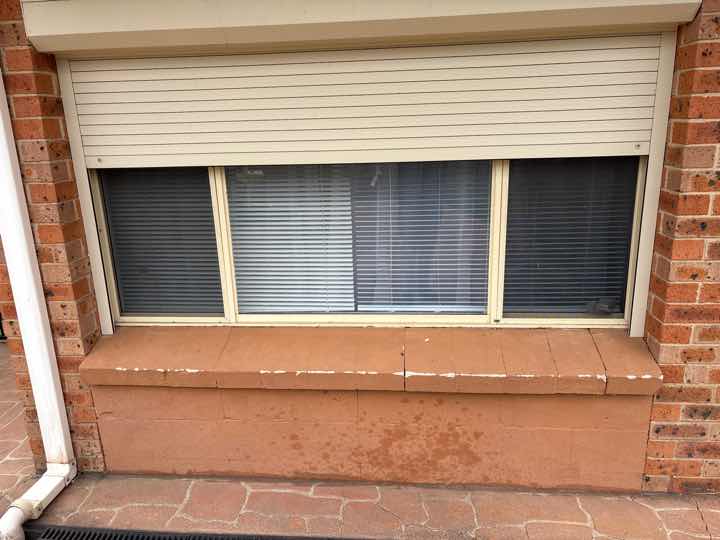
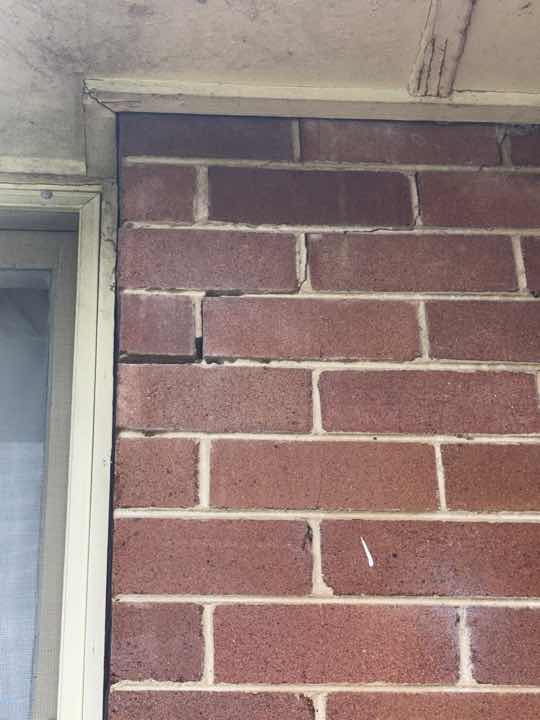
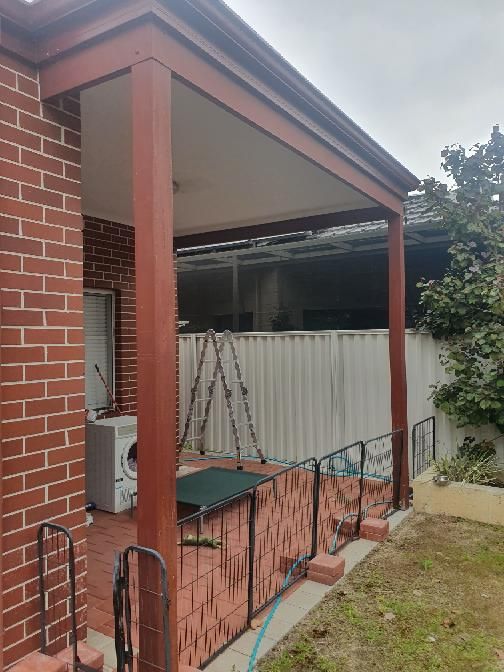
Built to last. Inspected to be SURE.
One inspection, twelve months of advice, and the same person on the other end of the phone every time you call. That is the part you do not see on the brochure.
9,237 inspections · 242,618 defects found · Inspector-owned franchises