
Building Inspections in Blacktown, Sydney
Stock profile · ABS 2021 Census
What’s here in Blacktown
- Separate houses
- 65.4%
- Semi-detached / townhouse
- 18.6%
- Flats & apartments
- 15.8%
16,495 occupied private dwellings
Local profile · ABS 2021 Census
Who lives in Blacktown
- Median age
- 34yrs
How Blacktown
was built
Blacktown lies on Dharug Country, where the Dharug people of the Cumberland Plain maintained complex networks of ceremony and land management across the sandstone ridges and shale basins that now sit beneath some of western Sydney's densest suburban streets. European pastoralists took up land along the Eastern Creek and Prospect Creek corridors in the 1810s, but Blacktown itself remained thin settlement — a coaching stop and eventually a railway halt — until the twentieth century provided both the infrastructure and the population to fill it. The critical trigger for modern Blacktown was the post-war housing program of the late 1940s and 1950s. The State Government acquired land and constructed Housing Commission estates across the western basin while simultaneously releasing residential lots to returned soldiers and migrants flooding into the country under the assisted-passage scheme. Between 1947 and 1966 the population of the Blacktown LGA grew from around 14,000 to nearly 90,000, and the three-bedroom brick veneer or fibrous-cement home on a 600-to-750 square metre block of Wianamatta shale clay became the defining suburban unit. That stock — now 55 to 75 years old — still dominates the streets west and south of the station, presenting the classic combination of reactive clay foundations, ageing fibro cladding, and termite-vulnerable timber framing that defines the western-Sydney inspection brief. The 1970s and 1980s brought townhouses and duplexes along major corridors, while the 2000s-onward saw medium and higher density infill concentrate near Blacktown station as the Westpoint shopping centre expanded and the commercial core consolidated.
What makes Blacktown worth it
-
Dual-track rail to Parramatta and the Sydney CBD via T1 and T5
Blacktown station is served by the T1 Western Line and the T5 Cumberland Line, giving residents direct rail access to Parramatta in under 15 minutes and Central Station in approximately 50. Frequent services run across the peak period, making Blacktown one of the best-connected western-corridor suburbs for car-free commuters.
-
Westpoint Blacktown as a full regional retail hub
Westpoint on Patrick Street is the commercial anchor for the broader Blacktown LGA of over 380,000 residents. The centre includes Myer, major supermarkets, a food court, and specialty retail, with the Blacktown Hospital emergency department and a TAFE NSW campus both within 1.5 kilometres.
-
Entry-level house prices with genuine land holding
Standalone three-bedroom homes on 600-to-750 square metre blocks in Blacktown trade at median prices that sit well below the Sydney average, offering investors and first-home buyers access to a freehold land component that is unavailable at equivalent prices in inner or middle-ring suburbs.
-
Large blocks suited to granny flats and duplex development
The quarter-acre block pattern across the established Blacktown grid supports secondary dwelling approvals under the NSW SEPP, which allows granny flats as of right on lots above 450 square metres. Many existing homes already carry secondary dwellings, and undeveloped blocks attract developer interest for duplex and townhouse projects.
-
Strong and diverse tenant demand from healthcare and education
Blacktown Hospital on Homebush Road, Western Sydney University's Parramatta campus, and Blacktown TAFE together generate consistent rental demand from healthcare workers, students, and retail staff. The suburb's ethnic diversity and affordability mean vacancy periods are typically short.
Top defects in Blacktown
Five issues we find most.
From 21 SURE inspections in Blacktown. Each defect is anonymous. No property is identified.
10 defect types indexed across 21 inspections
Meet Rod Ismail
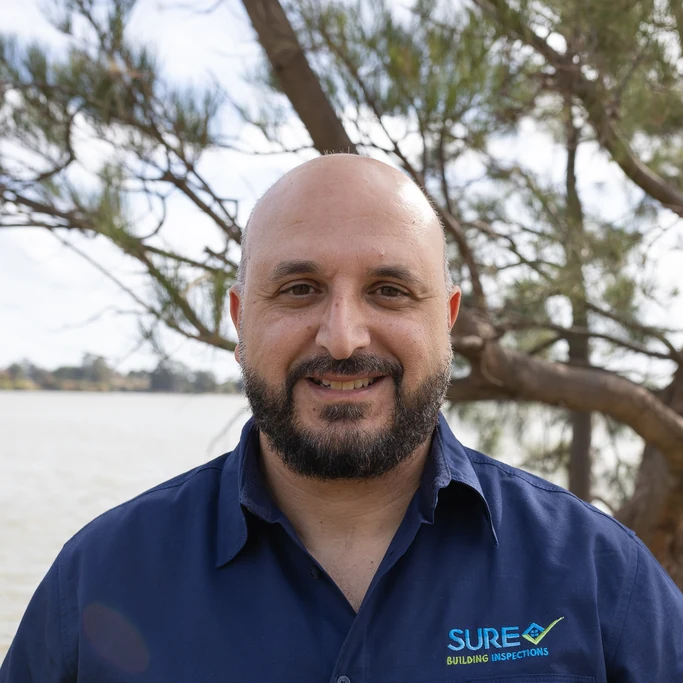
Rod Ismail covers Blacktown and the surrounding western basin as a core part of his Western Sydney territory. Blacktown's strongly reactive Wianamatta shale, high concentration of post-war fibro and brick veneer, and significant termite pressure make it one of the most inspection-intensive suburbs in his patch. - Territory: Western Sydney - Experience: 10+ years - Specialisations: Reactive clay foundations, 1960s-90s brick veneer, original-construction roof tiling - Direct line: 1300 787 327 Rod typically responds within 2 hours on business days.
Local risks in Blacktown
Blacktown's residential grid sits on Wianamatta Group shale — one of the most strongly reactive clay geologies in the Sydney basin, typically classified H1 to H2 under AS 2870. The post-war housing program of the late 1940s to 1960s produced the suburb's dominant stock: three-bedroom brick veneer and fibrous-cement homes on perimeter-slab footings built to the looser reactive site standards of that era. Seasonal clay movement — shrinkage in dry summers, swell after significant rain — drives differential footing displacement, and this is the highest-frequency defect category in Blacktown inspections. For brick veneer homes of this era, Rod consistently identifies diagonal step cracking running from window and door corners in external brickwork, cornice-to-wall separation in secondary bedrooms, and in more active cases, slab-edge differential drop that skews internal door frames out of square. Under AS 3700 masonry standards, cracks wider than 2mm in structural courses require engineering assessment. Footing remediation in Blacktown typically costs $6,000 to $22,000 for localised underpinning or slab stabilisation; perimeter re-footing on badly affected H2 sites can exceed $30,000. Termite pressure is the suburb's second major defect driver. The Blacktown basin's moisture retention, established vegetation, and abundance of timber-framed 1950s-70s construction create favourable conditions for Coptotermes acinaciformis — the most destructive subterranean termite species in eastern Australia. Rod conducts full AS 4349.3 timber pest inspections as standard on all older Blacktown properties, checking subfloor bearers and joists, wall framing, and roof space timbers. Active termite treatment costs $2,500 to $5,000; structural timber replacement after unchecked infestation runs $8,000 to $25,000. Fibro homes from the 1950s-60s almost certainly contain bonded asbestos cement sheeting — an additional inspection item that must be formally identified before any renovation budget is set.
Common issues in Blacktown
Inspecting
Blacktown homes
Every SURE inspection in Blacktown covers structural, moisture, roof, drainage, and timber pest scope under AS 4349.1 and AS 4349.3. The suburb's strongly reactive Wianamatta shale — typically classified H1 to H2 under AS 2870 — is the dominant inspection context. Pre-1996 homes on slab footings regularly show diagonal step cracking in brick courses at window corners, cornice cracking in secondary bedrooms, and in more active cases, differential footing drop affecting door frames and internal linings. These patterns must be assessed for ongoing movement versus historical settlement before exchange. Fibro homes from the 1950s and 1960s almost certainly contain bonded asbestos sheeting in wall linings, eaves, and wet-area soffits. This must be formally identified in a condition report and factored into any renovation budget. Termite pressure is significant across the western basin; Coptotermes acinaciformis is the dominant species, and inspectors regularly find activity through the subfloor space or within timber wall framing of older brick veneers. Older blocks often have failed timber retaining walls, and roof covers of this era — whether concrete tile or original fibrous sheeting — may require full replacement within a short ownership horizon.
DefectIndex
SURE has indexed 10 defects across 21 inspections in the Sydney region. That data underlies every finding we report in Blacktown.
Blacktown and surrounding suburbs
Tiles © Esri · Esri, HERE, Garmin, © OpenStreetMap contributors, and the GIS user community
Questions we hear about Blacktown
What building era dominates in Blacktown?
Blacktown is overwhelmingly 1950s to 1970s post-war brick veneer and fibro housing on full residential blocks, with pockets of 1970s-80s townhouses and newer infill near the station. This stock is now 55 to 75 years old, which means original roof covers, wet-area waterproofing, electrical switchboards, and sub-floor timbers are all at or past expected service life and warrant formal assessment before purchase.
Are there soil issues specific to Blacktown?
Yes — reactive Wianamatta shale drives the single highest defect category in Blacktown inspections. These clays expand and contract with seasonal moisture, causing slab heave and differential footing movement that shows up as step cracking in brickwork and cornice separation in ceilings. Every older home should be inspected for crack patterns and checked for ongoing movement, as active cracking changes the engineering remediation cost significantly. The 12 months FREE advice with every inspection helps you monitor this post-purchase.
Which type of inspection do I need for a Blacktown property?
A combined structural and timber pest inspection to AS 4349.1 Annexure A and AS 4349.3 is the minimum for any Blacktown house. For fibro or pre-1970 brick veneer, a comprehensive inspection that formally covers all maintenance defects — including roof cover condition, wet-area waterproofing, and electrical switchboard — is the better choice. Asbestos identification can be added at the time of booking.
How quickly can SURE book an inspection in Blacktown?
Blacktown is in the core western-Sydney service area, and bookings are typically available within 24 to 48 hours. Reports are usually delivered the same day as the inspection, subject to access and availability in PDF format with photos and plain-English severity ratings for every finding. Every report includes 12 months FREE advice — direct access to your inspector for quotes review and post-purchase maintenance guidance through the first year of ownership.
What's the typical inspection cost for a Blacktown property?
A three-bedroom combined structural and timber pest inspection is around $610 inclusive of GST. A comprehensive inspection covering all maintenance defects is $720 for three bedrooms. Electrical polarity testing can be added for $150. Asbestos identification reports and pool fence compliance inspections can also be arranged at the time of booking.
What are the most common building defects found in Blacktown?
Based on an indicative sample of 21 SURE inspections carried out in Blacktown, the most common defects we identify are: External Wall Cracking due to Settlement, Obstructed Roof Void due to Insulation, Timber in Contact with Ground, Trees in Close Proximity to Dwelling, Air Conditioner Overflow Not Diverted.
Are termite or timber pest concerns common in Blacktown?
Yes. Across 21 inspections in Blacktown, the most common timber-pest findings include Timber in Contact with Ground, Mulch and Garden Beds Against House, Inaccessible Roof Space Top Plates. We recommend a timber-pest inspection alongside any pre-purchase building inspection here.
What structural issues are typical for homes in Blacktown?
Common structural findings we record in Blacktown include External Wall Cracking due to Settlement, Obstructed Roof Void due to Insulation. Each finding is reported alongside remedy recommendations and covered by 12 months free advice.
Book an inspection
in Blacktown
More areas near Blacktown
Real defects our inspectors have flagged
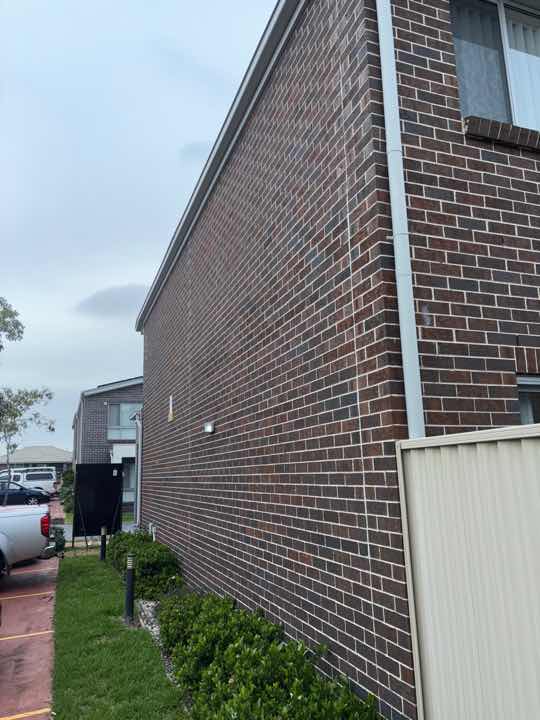
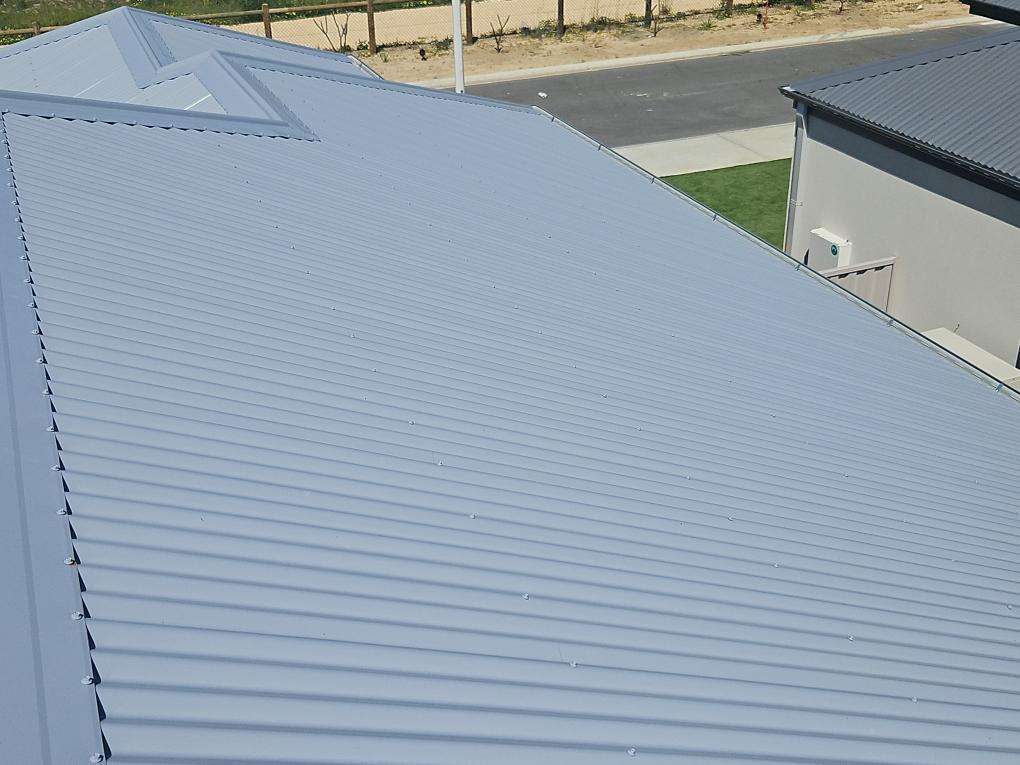
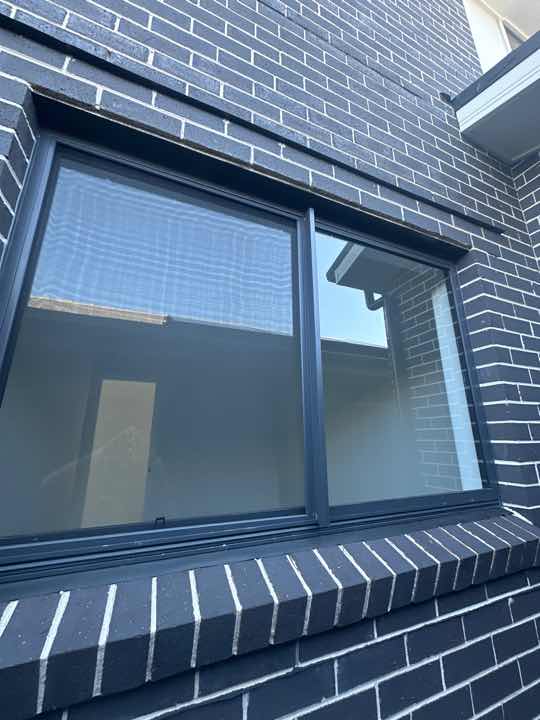
Built to last. Inspected to be SURE.
One inspection, twelve months of advice, and the same person on the other end of the phone every time you call. That is the part you do not see on the brochure.
9,237 inspections · 242,618 defects found · Inspector-owned franchises