
Lock Up Inspection
External skin, roof cover, plasterboard and wet area waterproofing all verified, four Australian Standards checked at one critical stage.
- Same-day report (subject to access and availability)
- Upfront pricing
- 12 months free advice

What's in your lock up inspection
Included
- External brickwork veneer, flashings, weep holes, lintels, brick ties, wall cavity (AS 4773.2)
- Metal roof cover, fixing, laps, penetrations, ridge (AS 1562.1)
- Tiled roof cover, bedding, pointing, tile condition, ridge (AS 2050)
- Plasterboard, sheet size, fixing pattern, joints, stopping (AS 2589)
- Waterproofing to wet areas, shower, bath, laundry (AS 3740)
- Same-day written report with photo evidence
Not included
- Internal fit-out, painting, tiling
- Engineering certification
- Electrical or plumbing rough-in compliance

Our inspectors document every accessible element on site with photo evidence and severity ratings.
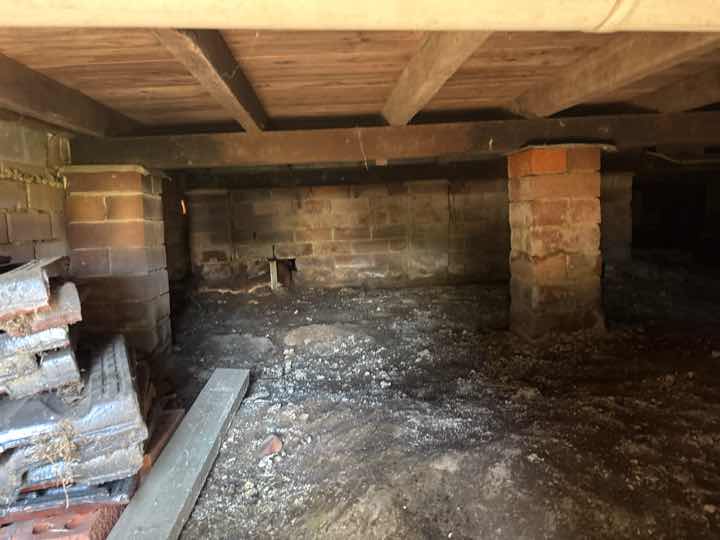
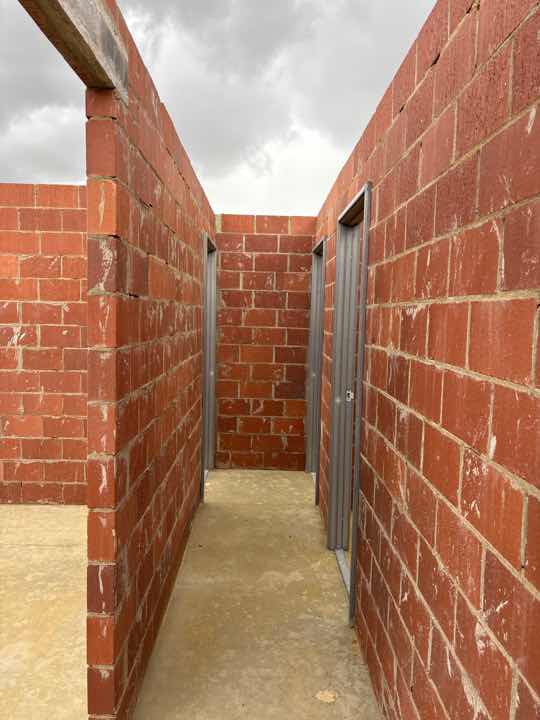
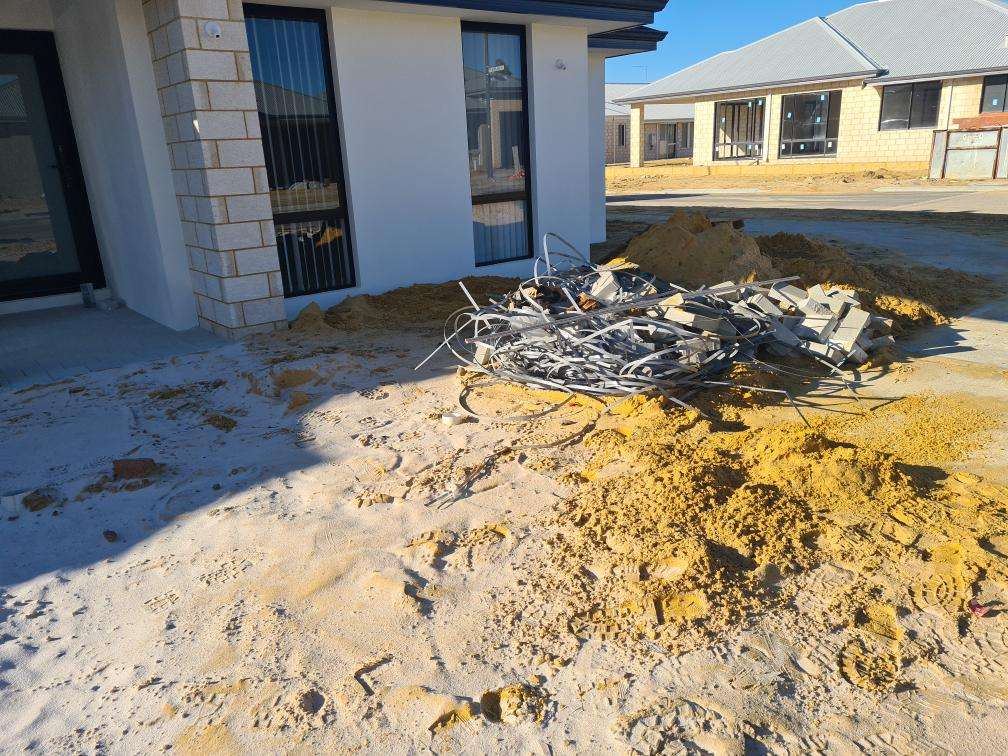
Real defects our inspectors have flagged
Why you might need this
- Home reaching lock-up stage, the building is enclosed but not yet fitted out
- Builder's client wanting verification of the external skin and waterproofing before internal work begins
- Owner-builder requiring documented compliance at this stage for bank drawdown
- Investor in a new build who wants documented evidence of quality at lock-up
- Dispute prevention, documented condition of all external elements before internal trades begin
Stage pricing is confirmed at booking. The fee depends on the build stage, site access, and inspection scope. Use the guide price in the header as a starting point, then book online to confirm your quote.
The build sequence
Where this inspection sits in the build
Every stage inspection has a right moment. Here is the full sequence, with this inspection highlighted and when to book each of the others.
-
- When to book
- Book as soon as your builder confirms the pour date. We inspect one to two days before the trucks arrive.
- Why it matters
- Once concrete is poured, the formwork, footings and reinforcement can never be checked again.
-
- When to book
- Book once the pour date is locked in. One visit covers the pre-pour check and the pour itself.
- Why it matters
- The one chance to check the slab while it is being placed, not after it has set.
-
- When to book
- Book for two or more days after the pour, before your builder starts framing or brickwork.
- Why it matters
- Once the walls go up, nobody can check the slab set-out or catch early cracking.
-
- When to book
- Book the moment stumps or posts are in. If there are footings, they need to be poured first.
- Why it matters
- Framing is built straight over them. Alignment and fixing faults disappear from view.
-
- When to book
- Book when the brick walls top out, before the roof trusses arrive on site.
- Why it matters
- Wall plumbness, plate level and tie-downs are out of reach once the roof frame goes on.
-
- When to book
- Book the day framing finishes, before any roof cover, cladding or plasterboard goes on.
- Why it matters
- Bracing, tie-downs and lintel sizing can only be checked now.
-
- When to book
- Book once the roof frame is up, before the roof cover goes on.
- Why it matters
- Truss fixing and roof bracing get sealed under the roof cover for the life of the house.
-
Stage 8 of 11 This inspection
Lock Up
When the house is sealed from the weather and can be locked
- When to book
- Book once the building is sealed and lockable: roof on, external doors and windows in, before internal fit-out begins.
- Why it matters
- Your last look at flashings, brick ties and waterproofing before the linings hide them.
-
- When to book
- Book as soon as your builder gives you the PCI date and time.
- Why it matters
- Defects documented at PCI are contract corrections. Miss them and they turn into warranty disputes.
-
- When to book
- Book once the builder confirms the PCI defect repairs are finished.
- Why it matters
- Independent confirmation that every PCI item was actually fixed before you accept the keys.
-
- When to book
- Book in good time before your warranty period closes. Your builder or contract sets the exact window.
- Why it matters
- The last window to put settling and movement defects back on the builder before the warranty closes.
The process
- 1
Book when lock-up is reached
Schedule after brickwork, roof cover, plasterboard, and wet area waterproofing are complete. This is the point at which the building can be 'locked up'.
- 2
Inspector assesses all four scopes
Your SURE inspector works through brickwork, roof cover, plasterboard, and waterproofing in a single comprehensive visit, four Australian Standards checked in one inspection.
- 3
Same-day report delivered
A detailed report covering all four scopes with photos and defect locations is delivered the same day.
- 4
12 months free advice
Your inspector is available for questions about findings during the free advice period.
See exactly what you get before you book
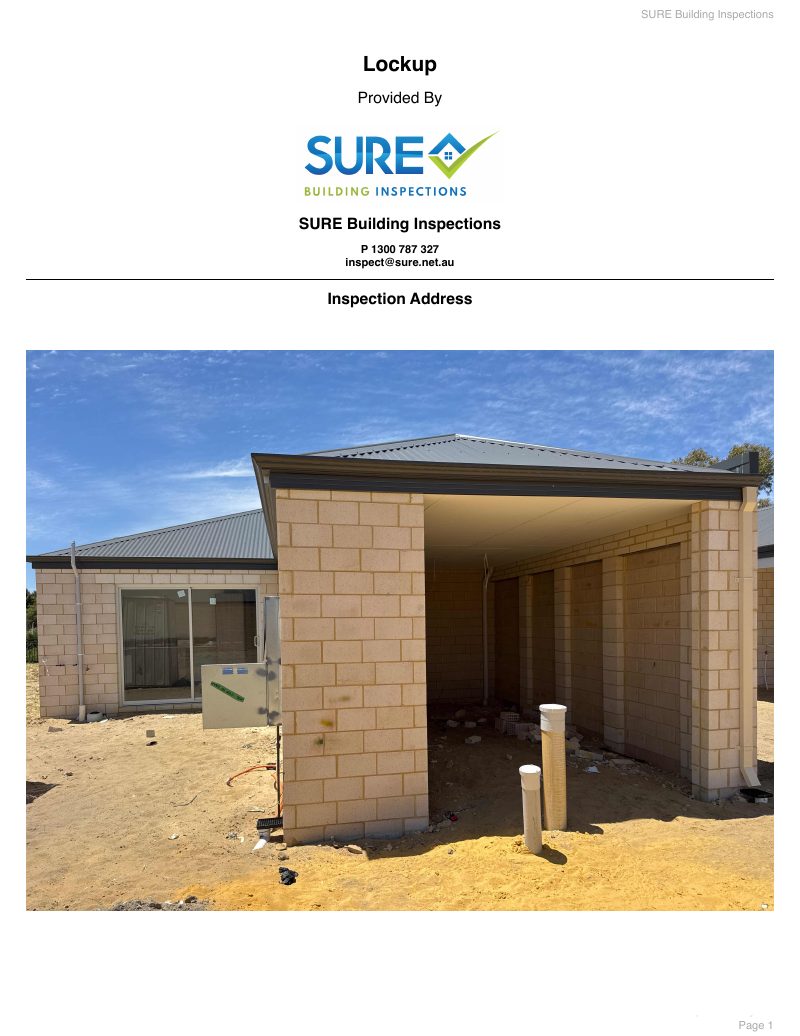
Our lock up inspection report includes annotated photos, severity ratings, AS 4349 references and actionable remediation advice. Written in plain language so you can act on it the day you receive it.
- Photo evidence per finding
- Severity rated: critical, moderate, cosmetic
- Australian Standards cross-referenced
- Remediation guidance you can quote
Common defects we find on lock up inspections
Patterns indexed across the Perth and Sydney corpus. These are the types of findings you might see in your own report.
Excessive moisture readings
Moisture in recently clad or roofed walls and ceilings, a warning sign for drainage or waterproofing defects before fit-out.
External wall settlement cracking
Cracking in brick veneer or render detected at lock-up, before internal finishes conceal it.
Failed waterproofing membrane
Early wet-area membrane failures visible before tiles and cabinetry are installed.
About a lock up inspection
The Lock Up Inspection is completed to verify compliance at the point where the building is enclosed, assessing external brickwork (AS 4773.2-2015), roof cover (AS 1562.1-2018 for metal or AS 2050-2018 for tiles), plasterboard (AS 2589-2017), and wet area waterproofing (AS 3740-2021) in a single visit.
This applies to brick veneer, double brick, and other construction types that reach an enclosed lock-up stage. Defects in the external skin or waterproofing identified at lock-up can be remediated before internal trades begin. Discovery after tiling, painting, or at handover is far more costly.
When to book
Book once brickwork, roof cover, plasterboard, and wet area waterproofing are all complete, before tiling and internal fit-out begin.
- Wet area waterproofing membranes are visible before tiles cover them
- Flashings and brick ties are still accessible for rectification at this stage
- Roof cover penetrations and laps can be checked before internal linings go in
- External defects documented now are a builder obligation to fix; the same items raised at handover are disputed
Why this inspection matters
Wet area waterproofing is the most consequential element checked at lock-up, and AS 3740 requires it to be inspected before tiling conceals the membrane. A non-compliant membrane identified before tiles are laid is a straightforward fix: strip and redo the membrane. The same non-compliance identified after tiling means demolishing completed tilework, replacing the membrane, and retiling, typically $8,000–$15,000 per wet area, entirely at your cost if the warranty period has passed.
The brickwork and roof cover checks at this stage serve a different purpose: they document the condition of the external envelope before internal trades begin work that will make re-access difficult or destructive. Incorrect flashing laps and brick tie spacing recorded now are a builder obligation to fix. The same items flagged at handover are disputed, because the builder can argue the defect was caused by subsequent trades.
You might also need
About lock up inspection
What is 'lock up' stage?
Lock-up stage is the point in construction at which the building is enclosed, the external brickwork is complete, the roof cover is installed, windows and external doors are in place, and the building can be secured. This is a common milestone for construction loan drawdowns.
Does this cover both tiled and metal roofs?
Yes, the inspection covers metal roof covers (AS 1562.1) and tiled roof covers (AS 2050). The relevant standard is applied based on the roof cover type installed.
Is wet area waterproofing checked before or after tiling?
Waterproofing membranes should ideally be inspected before tiling, as the tiles will conceal the waterproofing layer. SURE recommends scheduling the lock-up inspection before tiling begins in wet areas if your programme allows.
What plasterboard defects does the inspection look for?
The inspection checks plasterboard sheet size and application per AS 2589, including fixing pattern, penetration sealing, joint positioning, and stopping. Bulging, insufficient fastening, and wet damage are common findings.
Will the inspector check window installation?
Window frames were checked at the frame stage. At lock-up, the inspector notes any obvious window or door defects as part of the overall assessment, but the primary focus is on the four scopes above.