
Building Inspections in Fountaindale, Central Coast

Common issues in Fountaindale
Fountaindale and surrounding suburbs
Tiles © Esri · Esri, HERE, Garmin, © OpenStreetMap contributors, and the GIS user community
Questions we hear about Fountaindale
What does a Fountaindale inspection usually involve?
Fountaindale sits on the rural-residential margin between the Ourimbah valley and the Tuggerah side, so the properties tend to be larger blocks with more than one building on them. That widens the job. Alongside the house we are looking at how water crosses a flat block, how the driveway and yard drain, and what condition the sheds, carports and fencing are in. Agree the list of structures when you book, because what counts as part of the inspection needs to be settled before we arrive.
The property is not on sewer. What does that mean for me?
It means there is a system on the block that someone has to maintain, and it comes with you at settlement. A building inspection reports on what is visible: where the tank and trenches appear to be, obvious surface breakout, odour, soggy ground, and how close the system sits to the house and boundaries. It is not a septic assessment. Council keeps approval records for on-site wastewater systems, and a specialist can test and report on the system itself. Ask for both before you commit.
Are the sheds, carports and stables included?
Only if you ask for them, and it is usually worth asking. Outbuildings on rural-residential blocks are where the unapproved work and the ground-contact timber tend to be, and a shed frame sitting on damp soil is both a decay problem and a termite one. We report on visible condition. Whether a structure was approved is a Council records question your conveyancer should run, because an unapproved building becomes your responsibility the day you settle.
The block is flat. Why does drainage keep coming up?
Flat is the harder case here, not the easier one. Water that cannot run away sits, and ground that stays wet against a wall or under a floor is what starts most of the slow problems we write up. On flat creek-margin land we look at the fall of the ground near the building, where roof water discharges, whether overflow from tanks, air conditioners and hot water systems is connected to anything, and whether yard levels have crept up against the house over the years.
What is not covered by a standard inspection?
It is a visual inspection of accessible areas, so anything hidden, sealed or unsafe to reach is outside it. That includes inside walls and cavities, under fixed floor coverings, buried services and drains, the septic system itself, and any structure we cannot safely get to. Electrical, plumbing, gas and pest are separate specialist scopes. The report records each limitation and its reason, so you can see exactly where the inspection stopped and decide what to follow up.
How long does it take and when do I get the report?
Longer than a suburban house, because there is more ground and usually more than one building to walk. A same-day report is the aim, emailed rather than posted, subject to access and availability. Book with a few days in hand, especially if the property is tenanted or the owner keeps stock or dogs on the block. Calls about the report are free for twelve months, which is useful on a place with this many separate structures to think about.
More areas near Fountaindale
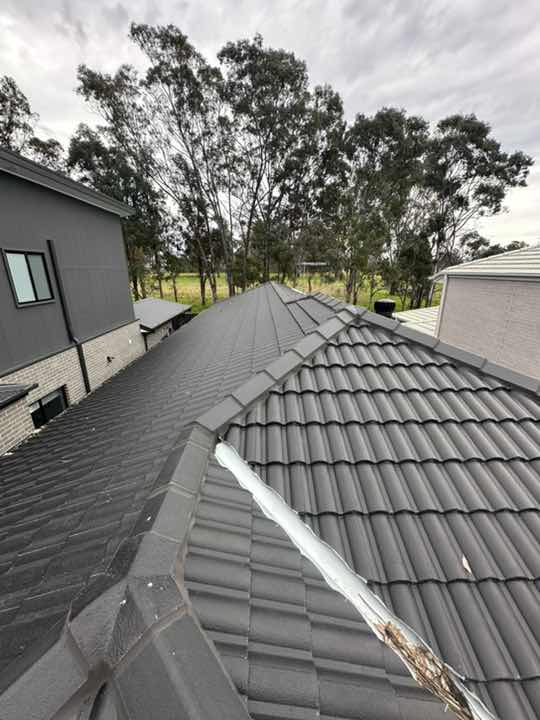
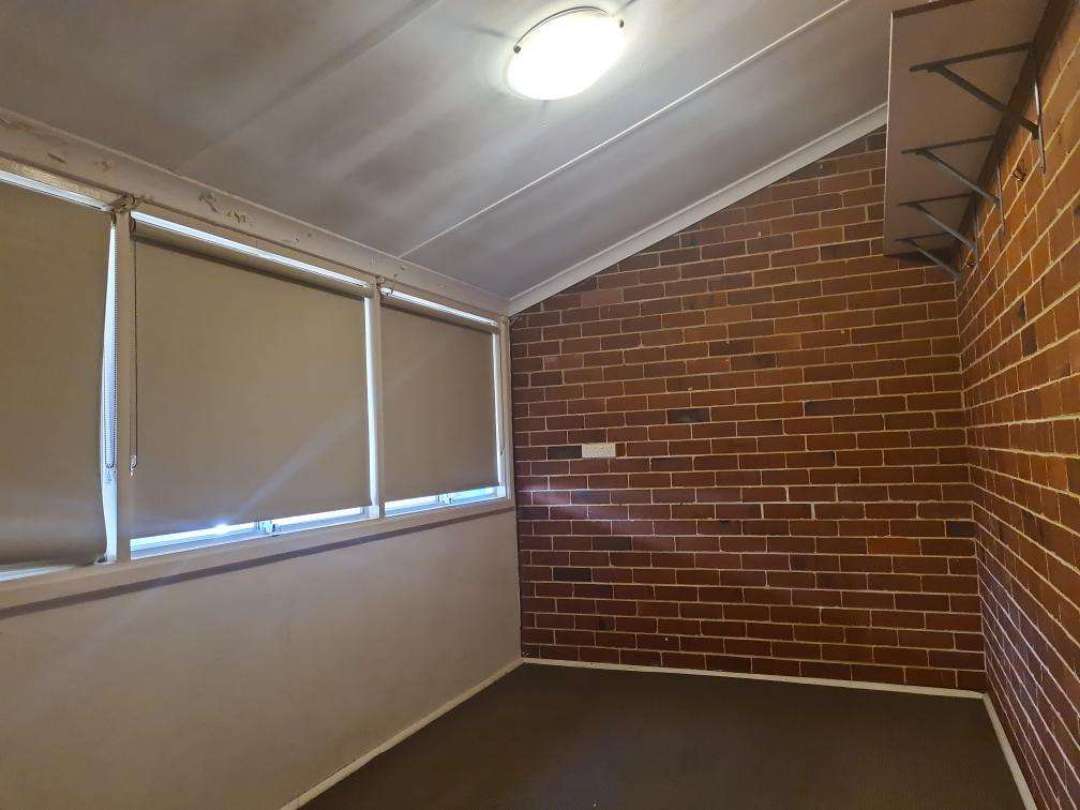
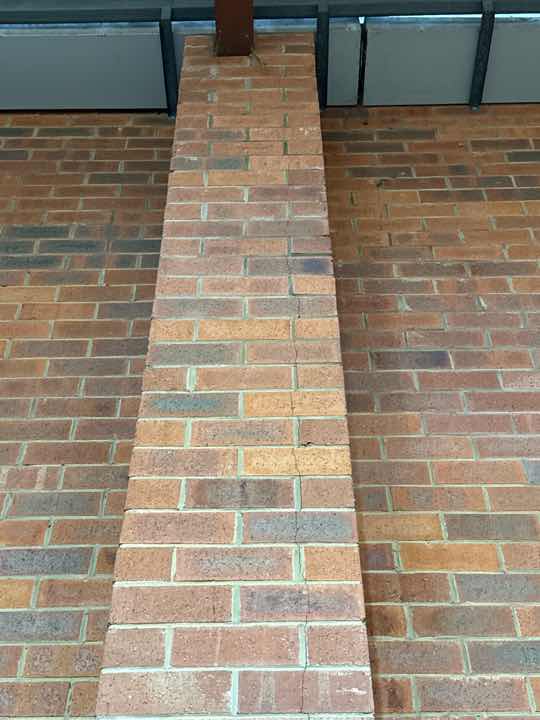
Real defects our inspectors have flagged
Built to last. Inspected to be SURE.
One inspection, twelve months of advice, and the same person on the other end of the phone every time you call. That is the part you do not see on the brochure.
9,237 inspections · 242,618 defects found · Inspector-owned franchises