
Building Inspections in Mandurah, Perth

Stock profile · ABS 2021 Census
What’s here in Mandurah
- Separate houses
- 46.1%
- Semi-detached / townhouse
- 37.3%
- Flats & apartments
- 14.1%
4,110 occupied private dwellings
Local profile · ABS 2021 Census
Who lives in Mandurah
- Median age
- 50yrs
How Mandurah
was built
Mandurah grew from a small fishing and crabbing town on the Peel-Harvey estuary into one of Western Australia's largest regional cities across the second half of the twentieth century, and the built form still reflects that long timeline. Our inspection reports split roughly evenly across three eras - 3 pre-1970, 4 from 1970-2000, and 4 from 2000 onwards - with timber frame, hardwood frame, and brick-veneer all appearing in equal proportion. Unlike the single-era master-planned estates at Meadow Springs or Lakelands, Mandurah carries genuine age diversity: a 1960s fibro beach cottage can sit a block from a 1990s brick-veneer family home and a 2010s canal-adjacent build. Sites sit on Bassendean and Pinjarra sand plain over reactive clay, with proximity to the Peel-Harvey estuary adding salt-air and elevated groundwater moisture that pure inland suburbs don't face. That combination - reactive sub-base plus estuarine moisture loading - is why settlement cracking and termite pressure both flag heavily in the Mandurah findings rather than one dominating the other.
What makes Mandurah worth it
-
Peel-Harvey estuary and Indian Ocean on the doorstep
Mandurah sits on the Peel-Harvey estuary with direct Indian Ocean access at the cut, so boating, fishing, crabbing, and beach amenity are built into the suburb rather than a drive away.
-
Mandurah Station on the Mandurah Line
Mandurah Station is the southern terminus of the Mandurah Line and puts the Perth CBD within roughly 55 minutes by train - the fastest direct rail link from any suburb this far south of the city.
-
Major regional centre with full services
Mandurah is Western Australia's second-largest regional city, so major retail, hospital services (Peel Health Campus), secondary schools, and commercial amenity all sit inside the suburb rather than requiring travel to Perth.
-
Genuine era diversity in the housing stock
Mandurah's build-out spans pre-1970 fishing-town dwellings through to 2020s canal and estate builds, so buyers can choose between heritage waterfront cottages, 1980s family homes, and modern estate stock within the same postcode.
-
Canal-side and waterfront lifestyle options
Mandurah's canal estates and waterfront streets offer private mooring and direct estuary access that isn't available anywhere else on the Mandurah Corridor at this scale.
-
Forrest Highway access north and south
Mandurah sits on the Forrest Highway corridor with the Perth CBD reachable within an hour's drive and the Peel-Harvey wineries and south-west within easy weekend range.
Top defects in Mandurah
Five issues we find most.
From 29 SURE inspections in Mandurah. Each defect is anonymous. No property is identified.
21 defect types indexed across 29 inspections
Meet Gary Wilkes
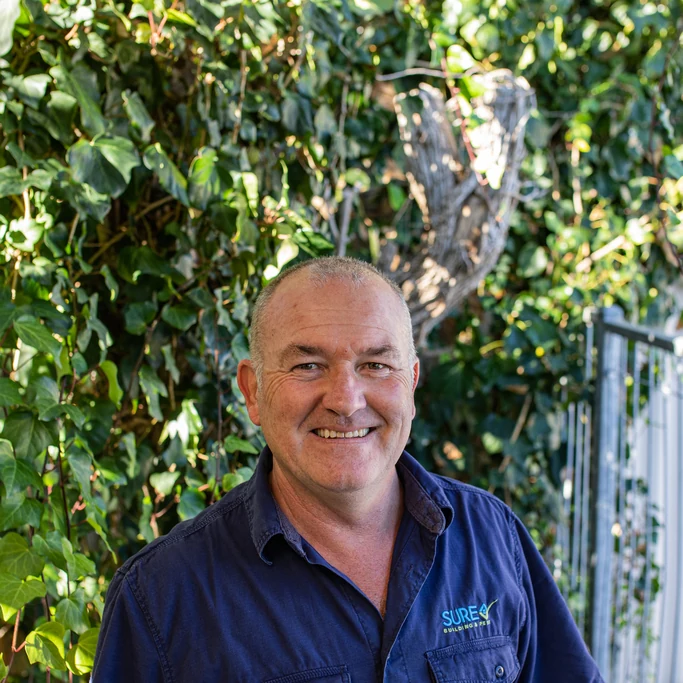
Gary Wilkes inspects Mandurah and the whole Perth South territory, from South Perth down through Rockingham and Baldivis to the Mandurah Corridor and the Peel-Harvey estuary. - Territory: Perth South - Experience: 15+ years - Specialisations: Estuarine reactive-clay settlement, coastal moisture loading, mixed-era stock including asbestos-era materials - Direct line: 1300 787 327 Gary typically responds within 2 hours on business days.
Local risks in Mandurah
Mandurah sits on Bassendean and Pinjarra sand plain over reactive clay, with the Peel-Harvey estuary adding salt-air and elevated groundwater moisture that pure inland Perth suburbs don't face. That combination, reactive sub-base plus estuarine moisture loading, is why both settlement cracking and termite pressure feature heavily in Mandurah findings, rather than one dominating the other as in drier inland suburbs. The genuine era diversity of the stock adds a third dimension. A pre-1970 fishing cottage, a 1980s brick-veneer family home, and a 2010s canal-adjacent build can sit within the same block. Each era has a distinct failure mode: asbestos-era materials and dated wiring in the pre-1970 layer; settlement cracking and outdated termite barriers in the 1970-2000 stock; slab-edge detailing and condensate drainage in the post-2000 builds. In Mandurah, we see a lot of: - External wall cracking from slab settlement: 61% of reports. The reactive clay sub-base responds to seasonal moisture and the elevated groundwater near the estuary. Most cracking is moderate stepped brickwork, but properties near the water table boundary can show more significant differential movement. Typical repair: $1,500–$8,000. - Undrained air conditioner overflow: 43% of reports. AC condensate discharged against the slab edge in a coastal suburb with elevated groundwater creates persistent moisture loading at the footing perimeter, a direct accelerator of both settlement and termite conditions. Typical remediation: AC drain rerouting at $600–$1,800. - Outdated termite treatment barriers: 29% of reports at severity 3.9 out of 5. The highest average severity score of any recurring finding in the Mandurah dataset. Many 1990s and early 2000s properties have barriers that expired a decade or more ago. Estuarine moisture keeps soil conditions favourable to termite activity year-round, so an expired barrier carries more risk here than in drier inland suburbs.
Common issues in Mandurah
Inspecting
Mandurah homes
Every SURE inspection in Mandurah covers the standard structural, moisture, roof, drainage, and timber pest scope. What changes is where we spend the extra time. We have 28 inspection reports behind this page and the findings pattern is broad rather than concentrated - a signature of mixed-era suburbs where different dwellings fail in different ways. External wall cracking from slab settlement shows up in 61% of Mandurah reports, undrained air conditioner overflow flags in 43%, trees in close proximity to the dwelling flag in 43%, and mulch and garden beds against the house flag in 39%. Outdated termite treatment barriers show up in 29% at an average severity of 3.9 out of 5, which is the highest severity score of any recurring finding here. Inadequate slab edge exposure flags in 29% at severity 3.5, and concealed slab edges flag in 25% at severity 3.4. Because Mandurah sits on reactive clay under sandy topsoils with estuarine moisture loading, slab-edge detailing and air conditioner overflow routing matter more than they do in drier inland suburbs - stormwater and condensate that saturates a slab edge in a coastal suburb is a genuine termite accelerator. We also see excessive moisture readings in 21% of reports at severity 3.3, timber fungal decay in fascias at severity 3.5, and asbestos-category findings in 7 reports at severity 3.5 reflecting the pre-1970 share of the dataset. On pre-1970 stock we pay extra attention to asbestos-containing materials, dated wiring, and original roof structure. On post-2000 stock we focus on settlement cracks, slab-edge detailing, and the condensate paths that feed termite conditions.
DefectIndex
SURE has indexed 21 defects across 29 inspections in the Perth region. That data underlies every finding we report in Mandurah.
Mandurah and surrounding suburbs
Tiles © Esri · Esri, HERE, Garmin, © OpenStreetMap contributors, and the GIS user community
Questions we hear about Mandurah
My Mandurah home is less than 10 years old - do I still need an inspection?
Yes. The pattern in our Mandurah reports is that newer homes show settlement cracking from slab response to the reactive clay sub-base, and that's almost always normal for the age - but worth documenting before you buy. More importantly, concealed slab edges and undrained air conditioner overflows flag across all eras in Mandurah, and those are the conditions that build up termite exposure over time. The 12 months FREE advice that comes with every SURE inspection covers you through the first year of ownership.
What does the estuarine location mean for my inspection?
Mandurah sits on the Peel-Harvey estuary with reactive clay under sandy topsoils and salt air loading the exterior fabric. That combination drives external wall cracking (61% of reports), excessive moisture readings (21%), and the undrained air-conditioner overflow pattern (43%) that saturates slab edges. Our inspector looks specifically at slab-edge exposure, condensate drainage, and salt corrosion on exposed metalwork because these are the failure paths that define the suburb.
Is termite pressure high in Mandurah?
Yes. Concealed slab edges flag in 25% of our Mandurah reports at severity 3.4 out of 5, mulch and garden beds against the house flag in 39%, outdated termite treatment barriers flag in 29% at severity 3.9, and concealed internal wall areas flag in 25%. The estuarine moisture loading keeps soil conditions favourable to termite activity year-round, which is why these findings stack up rather than appearing in isolation.
How fast is the report and what happens if you find defects?
Same-day reports are usually available subject to access and availability. You get the full PDF the evening of the inspection, with photos, severity ratings, and plain-English explanations of what each defect means. If anything is flagged, you also get 12 months FREE advice from your inspector to help you decide whether to negotiate, re-inspect after repair, or plan your next step.
Who inspects Mandurah properties?
Gary covers Mandurah and the wider Perth southern corridor from South Perth down through Rockingham and Baldivis to the Mandurah Corridor. Gary has deep residential building experience, knows the estuarine reactive-clay patterns that dominate Mandurah and the wider 6210 postcode, and every Mandurah booking routes directly to him rather than a rotating pool of contractors.
What are the most common building defects found in Mandurah?
Based on an indicative sample of 29 SURE inspections carried out in Mandurah, the most common defects we identify are: External Wall Cracking due to Settlement, Mulch and Garden Beds Against House, Undrained Air Conditioner Overflow, Trees in Close Proximity to Dwelling, Obstructed Roof Void due to Insulation.
Are termite or timber pest concerns common in Mandurah?
Yes. Across 29 inspections in Mandurah, the most common timber-pest findings include Mulch and Garden Beds Against House, Timber in Contact with Ground, Outdated Termite Treatment Barrier. We recommend a timber-pest inspection alongside any pre-purchase building inspection here.
What structural issues are typical for homes in Mandurah?
Common structural findings we record in Mandurah include External Wall Cracking due to Settlement, Obstructed Roof Void due to Insulation, Timber Fungal Decay (Rot) in Fascia and Barge Boards. Each finding is reported alongside remedy recommendations and covered by 12 months free advice.
Is moisture a concern in Mandurah homes?
Excessive Moisture Readings and Main Bathroom Shower Sealant Deterioration are among the moisture-related findings recorded across 29 inspections in Mandurah. Our inspectors use moisture-meter readings to quantify any issue they detect.
Book an inspection
in Mandurah
More areas near Mandurah
Real defects our inspectors have flagged
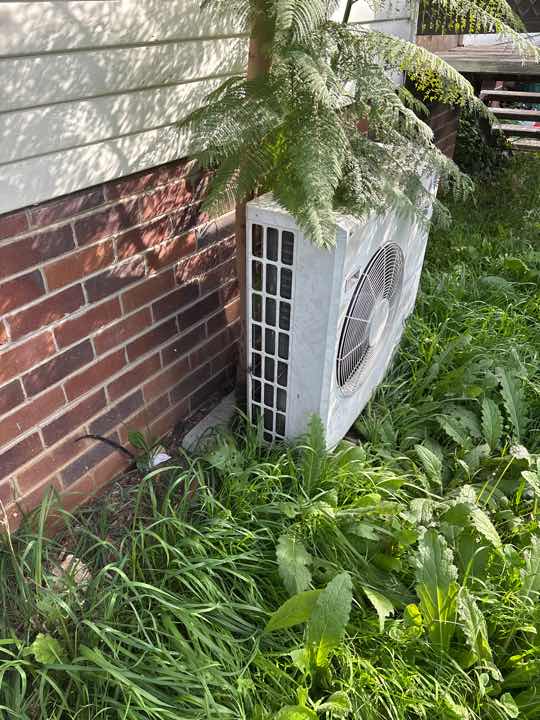
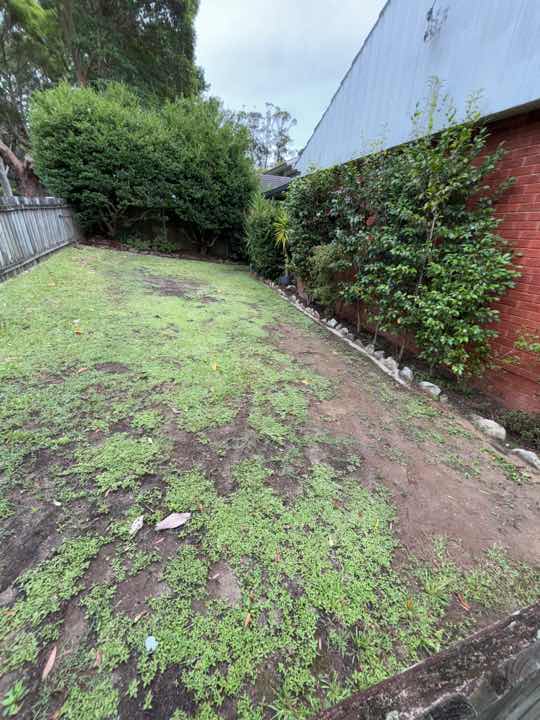
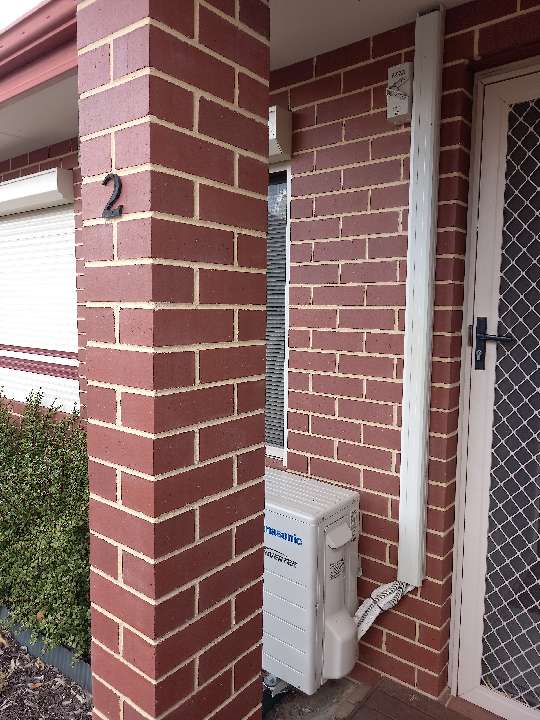
Built to last. Inspected to be SURE.
One inspection, twelve months of advice, and the same person on the other end of the phone every time you call. That is the part you do not see on the brochure.
9,237 inspections · 242,618 defects found · Inspector-owned franchises
Your free area report
Get your free area report in 30 seconds
A suburb-specific PDF with defect profiles from real SURE inspections in Mandurah, price trends, school data, and era-aware inspection guidance, emailed within two minutes. Just 4 fields.
- Defect profile: top issues found in real SURE inspections in Mandurah.
- Price trends & school data: local context to inform your decision.
- No paywall. No commitment. Just 4 fields, 30 seconds.