
Building Inspections in Dayton, Perth
Stock profile · ABS 2021 Census
What’s here in Dayton
- Separate houses
- 96.4%
- Semi-detached / townhouse
- 2.8%
- Flats & apartments
- 0.5%
1,781 occupied private dwellings
Local profile · ABS 2021 Census
Who lives in Dayton
- Median age
- 30yrs
How Dayton
was built
Dayton is a newer greenfield estate suburb in the western Swan Valley, sitting immediately north of Caversham and south of Brabham in the 6055 postcode. The estate build-out pushed through the 2010s on what had been rural holdings and horse country along the Swan River floodplain, and the inspection data reflects a young stock pattern: five reports in the 1970-2000 era and five in the 2000-present era, with no pre-1970 cohort in our dataset. Material distribution tracks the modern Swan Valley estate build - three ceramic tile reports, three porcelain tile, two concrete tile roofs - and the dominant built form is single-storey brick-veneer on a waffle or raft slab with timber-framed pitched roofs under concrete tile or Colorbond, on small estate blocks with minimal setback from the boundary. Sites sit on Bassendean Sand topsoil over Guildford Formation clay, the same reactive sub-base as Ellenbrook, Aveley, Brabham, and the wider Swan Valley corridor, and the inspection findings track that geology closely. Two construction tranches now show up on Dayton streets as the suburb fills out: earlier 2000s estate product that is now reaching 20 years of age and showing original slab-edge wear, and post-2015 builds that still present fresh settlement cracks as the clay sub-base responds to seasonal moisture swings.
What makes Dayton worth it
-
Swan Valley wine region on the doorstep
Dayton sits right on the western edge of the Swan Valley wine region, which puts vineyards, breweries, and destination food venues a short drive away rather than an hour's commute from Perth's other outer suburbs.
-
Whiteman Park and Caversham Wildlife Park close
Whiteman Park - Perth's largest bushland reserve with Caversham Wildlife Park inside it - sits immediately west of Dayton, giving residents genuine open bushland within reach of the metropolitan area.
-
Midland as the regional services centre
Midland sits a short drive south with full hospital, retail, and commercial services, which keeps Dayton within reach of a major services hub without the longer commute that living further north in the Swan Valley requires.
-
A legible estate-home stock pattern
The bulk of Dayton's post-2000 stock is 3-4 bedroom single-storey brick-veneer on small estate blocks, which makes the market easy to compare for first-home buyers and investors who want consistency rather than surprise layouts.
-
Swan River floodplain close by
The Swan River floodplain sits immediately west and south of Dayton, which keeps the suburb within a short drive of the wider river corridor that defines the Swan Valley's character.
-
Horse-country feel still intact
Dayton retains the equestrian and rural holdings feel of the wider Swan Valley corridor, with horse properties still scattered through the adjoining suburbs - unusual for a metropolitan estate suburb this close to Perth.
Top defects in Dayton
Five issues we find most.
From 36 SURE inspections in Dayton. Each defect is anonymous. No property is identified.
27 defect types indexed across 36 inspections
Meet Kim Steele

Kim Steele inspects Dayton and the Swan Valley estate corridor from Caversham through to Bennett Springs and Brabham. Reactive-clay settlement on newer estates and elevated termite pressure from the Swan River floodplain are what he finds most consistently here. - Territory: Perth North - Experience: 10+ years - Specialisations: Reactive-clay slab settlement, newer estate defects, Swan Valley termite conditions - Direct line: 1300 787 327 Kim typically responds within 2 hours on business days.
Local risks in Dayton
Dayton is a newer Swan Valley estate suburb, with most of its housing stock going up from the mid-2000s onwards on what had been rural horse country along the floodplain. The builds look fresh, small lots, modern floor plans, Colorbond and concrete tile roofs, but the ground underneath is the issue. Dayton sits on Bassendean Sand over Guildford Formation clay, the same reactive sub-base that runs through Ellenbrook, Aveley, and the wider Swan Valley corridor. That clay swells in winter and contracts in summer, and the slab and frame respond accordingly. In Dayton, external wall cracking from slab settlement shows up in 56% of our reports. Trees planted within root-reach of the dwelling show up in the same 56%, and Bedroom 2 ceiling and cornice joint cracks track at an equal rate, a textbook reactive-clay settlement pattern in a suburb where the homes are only 15-20 years old. It is not unusual and it does not make a home unbuyable, but you want it documented before you exchange contracts. Termite pressure is where Dayton stands out, and it stands out in the wrong direction. Concealed slab edges flag in 38% of our reports at an average severity of 3.8 out of 5, the highest severity score of any recurring finding in the suburb and above the wider Swan Valley baseline. Concealed internal wall areas flag in 31%, mulch and garden beds against the house in 28%, and unsealed plumbing or drain penetrations through the slab in 25% at severity 3.6. On a new-build estate where the landscaping is the first thing homeowners add after settlement, those findings are not surprising, but they are exactly what a pre-purchase inspection is designed to catch before they become active termite pathways.
Common issues in Dayton
Inspecting
Dayton homes
Every SURE inspection in Dayton covers the standard structural, moisture, roof, drainage, and timber pest scope. What changes is where we spend the extra time. We have 32 Dayton inspection reports behind this page, which is a smaller indicative sample than Ellenbrook or Aveley but consistent enough to show the clear Swan Valley pattern. External wall cracking from slab settlement on reactive clay shows up in 56% of Dayton reports (18 of 32), trees planted within root-reach of the dwelling show up in the same 56% (18 of 32), and Bedroom 2 ceiling/cornice joint cracks show up in 56% (18 of 32) as timber-frame movement telegraphs into the secondary bedroom's finishes. Termite pressure is higher here than the Swan Valley average: concealed slab edges flag in 38% of Dayton reports (12 of 32) at an average severity of 3.8 out of 5, which is the highest severity score of any recurring finding on the suburb and sits above the wider corridor's baseline. Concealed internal wall areas (a termite-risk finding) flag in another 31%, mulch and garden beds against the house in 28%, inadequate slab-edge exposure in 25% at average severity 3.5, and unsealed plumbing or drains through the slab in 25% at average severity 3.6 - all termite-category findings with consistently elevated severity. Because Dayton sits on Bassendean Sand over Guildford Formation clay, slab-edge detailing matters more than it does in the coastal limestone suburbs. We check slab-edge exposure, trees within root-reach of footings, mulch-against-house, and plumbing penetrations through the slab independently rather than bundling them.
DefectIndex
SURE has indexed 27 defects across 36 inspections in the Perth region. That data underlies every finding we report in Dayton.
Dayton and surrounding suburbs
Tiles © Esri · Esri, HERE, Garmin, © OpenStreetMap contributors, and the GIS user community
Questions we hear about Dayton
My Dayton home is only a few years old - do I still need an inspection?
Yes. The pattern in our 32 Dayton reports is that newer estate homes show settlement cracking from slab response to the reactive clay sub-base, and that is almost always normal for the age - but it is worth having documented before you buy so you know the baseline. Concealed slab edges flag in 38% of Dayton reports at an average severity of 3.8 out of 5, which is worth knowing about up front. The 12 months FREE advice that comes with every SURE inspection covers you through the first year of ownership.
What does 'reactive clay' mean for my Dayton inspection?
Dayton sits on Bassendean Sand over Guildford Formation clay - the same sub-base as Ellenbrook and the wider Swan Valley. Reactive clay swells when it gets wet and shrinks when it dries, which drives the external wall cracking we see in 56% of our Dayton reports. The fix is not about the clay itself - it is about slab-edge exposure, trees planted within root-reach of the footings, and stormwater being directed away from the slab. Those are all things our inspector checks specifically.
Is termite pressure high in Dayton?
Yes - higher than the Swan Valley average. Concealed slab edges flag in 38% of our Dayton reports at an average severity of 3.8 out of 5, concealed internal wall areas flag in 31%, mulch and garden beds against the house in 28%, and unsealed plumbing or drains through the slab in 25% at severity 3.6. None of these on their own is a material concern, but together they build up termite entry risk that a pre-purchase inspection is designed to catch.
How fast is the report and what happens if you find defects?
Same-day reports are usually available subject to access and availability. You get the full PDF the evening of the inspection, with photos, severity ratings, and plain-English explanations of what each defect means. If anything is flagged, you also get 12 months FREE advice from your inspector to help you decide whether to negotiate, re-inspect after repair, or plan your next step.
Who inspects Dayton properties?
Kim Steele covers Dayton and the wider Perth northern and north-eastern corridor. Kim holds CPPHON4013 and CPPUPM3008, has more than a decade of residential building experience, and knows the reactive-clay settlement patterns that dominate Dayton and the wider Swan Valley 6055 postcode. Every Dayton booking routes directly to Kim rather than a rotating pool of contractors.
What are the most common building defects found in Dayton?
Based on an indicative sample of 36 SURE inspections carried out in Dayton, the most common defects we identify are: External Wall Cracking due to Settlement, Trees in Close Proximity to Dwelling, Bedroom 2 Ceiling/Cornice Join Crack, Slab Edge Concealed by Soil, Paving, or Raised Garden Beds, Undrained Air Conditioner Overflow.
Are termite or timber pest concerns common in Dayton?
Yes. Across 36 inspections in Dayton, the most common timber-pest findings include Slab Edge Concealed by Soil, Paving, or Raised Garden Beds, Mulch and Garden Beds Against House, Concealed Internal Wall Areas (Termite Risk). We recommend a timber-pest inspection alongside any pre-purchase building inspection here.
What structural issues are typical for homes in Dayton?
Common structural findings we record in Dayton include External Wall Cracking due to Settlement, Obstructed Roof Void due to Insulation. Each finding is reported alongside remedy recommendations and covered by 12 months free advice.
Book an inspection
in Dayton
More areas near Dayton
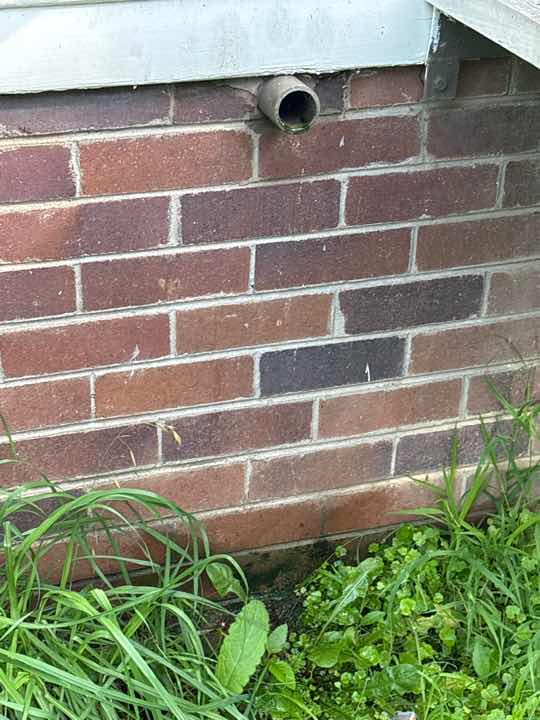
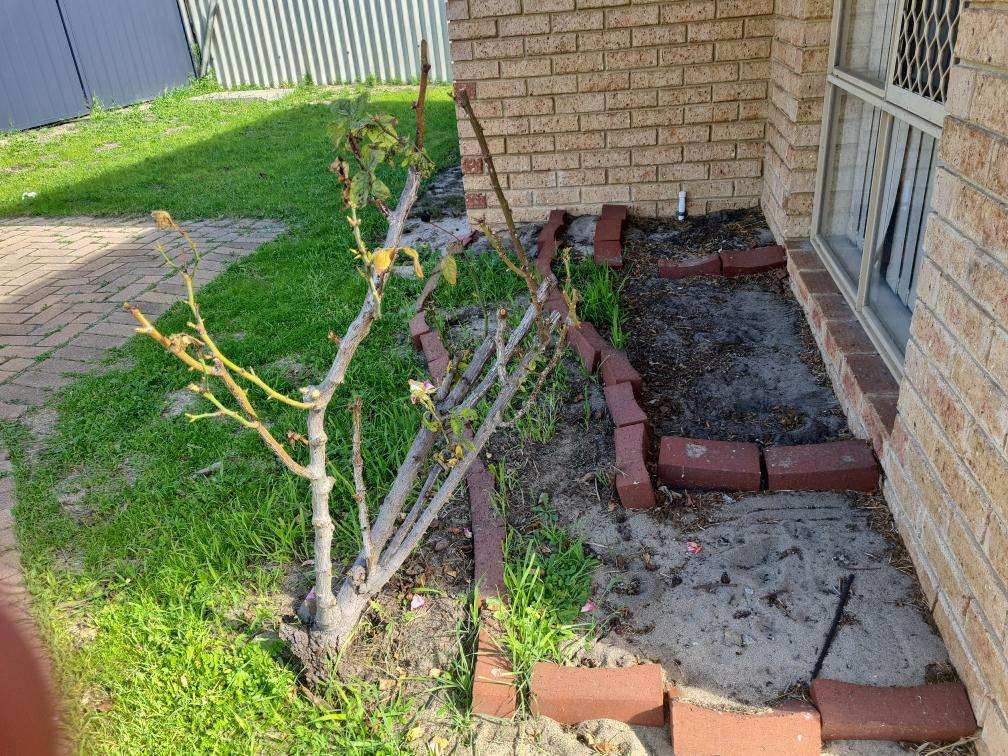
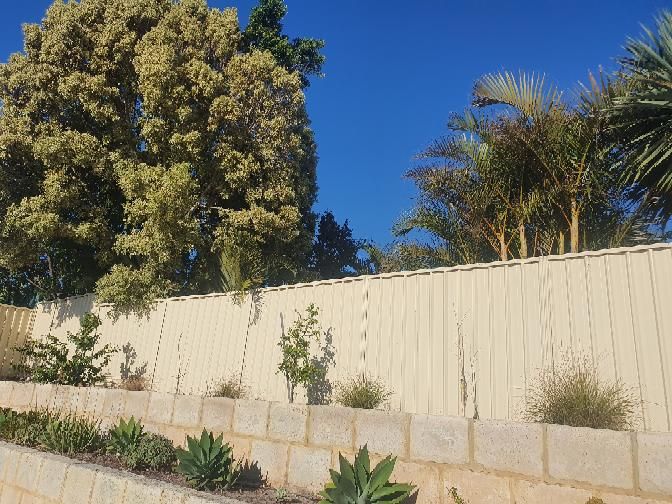
Real defects our inspectors have flagged
Built to last. Inspected to be SURE.
One inspection, twelve months of advice, and the same person on the other end of the phone every time you call. That is the part you do not see on the brochure.
9,237 inspections · 242,618 defects found · Inspector-owned franchises
Your free area report
Get your free area report in 30 seconds
A suburb-specific PDF with defect profiles from real SURE inspections in Dayton, price trends, school data, and era-aware inspection guidance, emailed within two minutes. Just 4 fields.
- Defect profile: top issues found in real SURE inspections in Dayton.
- Price trends & school data: local context to inform your decision.
- No paywall. No commitment. Just 4 fields, 30 seconds.