
Building Inspections in Gosnells, Perth

Stock profile · ABS 2021 Census
What’s here in Gosnells
- Separate houses
- 80.9%
- Semi-detached / townhouse
- 15.7%
- Flats & apartments
- 3.0%
7,885 occupied private dwellings
Local profile · ABS 2021 Census
Who lives in Gosnells
- Median age
- 38yrs
How Gosnells
was built
Gosnells, postcode 6110, has a population of 21149 and features a diverse housing stock. Our inspections show properties ranging from pre-1970 older homes through the 1970s-90s middle ring, and more recent infill from the 2000s onwards. This multi-era development pattern means properties vary in construction styles and materials, with brick-veneer being dominant, alongside some older double-brick dwellings. The suburb's location on the Pinjarra Plain reactive clay along the Canning River floodplain corridor has influenced construction practices and ongoing maintenance considerations for properties built across these different periods. The mature tree canopy, often found in established areas of Gosnells, also plays a role in the environmental pressures on building footings.
Top defects in Gosnells
Five issues we find most.
From 66 SURE inspections in Gosnells. Each defect is anonymous. No property is identified.
30 defect types indexed across 66 inspections
Common issues in Gosnells
Inspecting
Gosnells homes
In Gosnells, postcode 6110, our Perth South inspector focuses on issues common to the area's multi-era housing stock and Pinjarra Plain reactive clay geology. We frequently observe External Wall Cracking due to Settlement, noted in 69.0% of our reports. Trees in Close Proximity to Dwelling is another significant finding, appearing in 46.6% of inspections, often contributing to settlement issues. We also check for Mulch and Garden Beds Against House, which we find in 39.7% of reports, as this can lead to moisture and pest concerns. Our inspections account for the diverse construction materials, including the dominant brick-veneer, and the specific environmental pressures of Gosnells.
DefectIndex
SURE has indexed 30 defects across 66 inspections in the Perth region. That data underlies every finding we report in Gosnells.
Gosnells and surrounding suburbs
Tiles © Esri · Esri, HERE, Garmin, © OpenStreetMap contributors, and the GIS user community
Questions we hear about Gosnells
What does the reactive clay geology in Gosnells mean for my property?
Gosnells is on Pinjarra Plain reactive clay, which can expand and contract with moisture changes. This geology, combined with the mature tree canopy, often contributes to settlement cracking in external walls, a defect we find in 69.0% of our reports. Our inspections carefully assess the impact of these environmental factors on your home's structure.
Are termites a significant concern for properties in Gosnells?
Yes, our inspections in Gosnells frequently identify termite risks. We've noted 'High Termite Risk Due to Environmental Surrounds' in 29.3% of reports and 'Concealed Internal Wall Areas (Termite Risk)' in 24.1%. Our Perth South inspector specifically checks for conditions that attract termites and signs of activity, especially given the prevalence of mulch and garden beds against houses.
Who will inspect my property in Gosnells and what is the process?
Your inspection in Gosnells, postcode 6110, will be conducted by our Perth South inspector. They are certified with CPPHON4013 and CPPUPM3008, covering Perth's southern corridor. We aim to deliver your detailed report within 24 hours of the inspection where access and availability allow, and you'll receive 12 months of free phone advice from our inspector afterwards.
What are the most common building defects found in Gosnells?
Based on an indicative sample of 66 SURE inspections carried out in Gosnells, the most common defects we identify are: External Wall Cracking due to Settlement, Mulch and Garden Beds Against House, Trees in Close Proximity to Dwelling, Slab Edge Concealed by Soil, Paving, or Raised Garden Beds, Cracked Roof Mortar.
Are termite or timber pest concerns common in Gosnells?
Yes. Across 66 inspections in Gosnells, the most common timber-pest findings include Mulch and Garden Beds Against House, Slab Edge Concealed by Soil, Paving, or Raised Garden Beds, High Termite Risk Due to Environmental Surrounds. We recommend a timber-pest inspection alongside any pre-purchase building inspection here.
What structural issues are typical for homes in Gosnells?
Common structural findings we record in Gosnells include External Wall Cracking due to Settlement, Obstructed Roof Void due to Insulation, Rusted Pergola Post/s. Each finding is reported alongside remedy recommendations and covered by 12 months free advice.
Is moisture a concern in Gosnells homes?
Excessive Moisture Readings and Deteriorated Splashback Sealant are among the moisture-related findings recorded across 66 inspections in Gosnells. Our inspectors use moisture-meter readings to quantify any issue they detect.
Book an inspection
in Gosnells
More areas near Gosnells
Real defects our inspectors have flagged
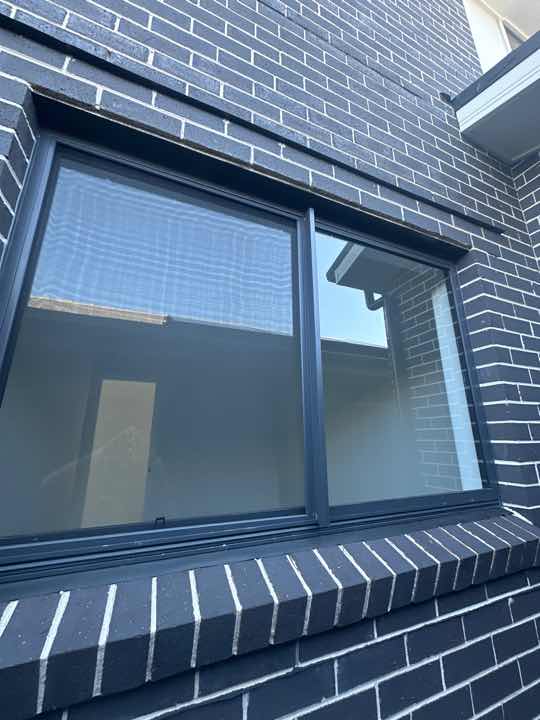
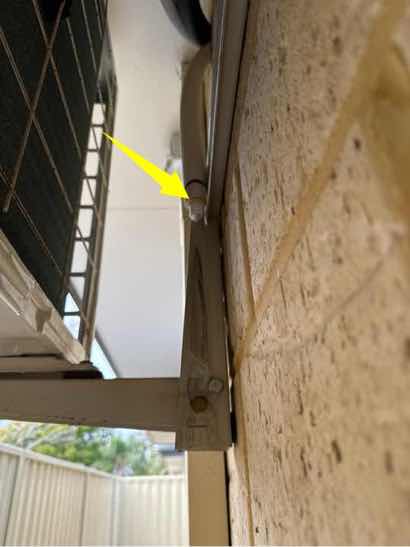
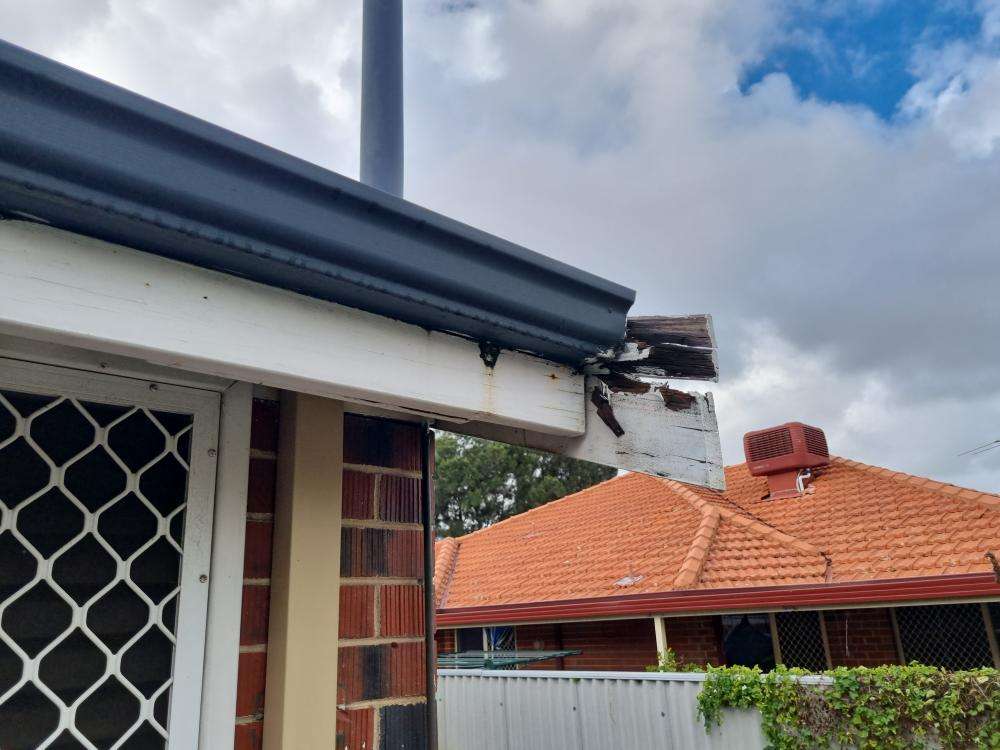
Built to last. Inspected to be SURE.
One inspection, twelve months of advice, and the same person on the other end of the phone every time you call. That is the part you do not see on the brochure.
9,237 inspections · 242,618 defects found · Inspector-owned franchises
Your free area report
Get your free area report in 30 seconds
A suburb-specific PDF with defect profiles from real SURE inspections in Gosnells, price trends, school data, and era-aware inspection guidance, emailed within two minutes. Just 4 fields.
- Defect profile: top issues found in real SURE inspections in Gosnells.
- Price trends & school data: local context to inform your decision.
- No paywall. No commitment. Just 4 fields, 30 seconds.