
Building Inspections in Hammond Park, Perth

Stock profile · ABS 2021 Census
What’s here in Hammond Park
- Separate houses
- 85.5%
- Semi-detached / townhouse
- 14.1%
- Flats & apartments
- 0.6%
2,347 occupied private dwellings
Local profile · ABS 2021 Census
Who lives in Hammond Park
- Median age
- 31yrs
How Hammond Park
was built
Hammond Park is a master-planned growth suburb in the City of Cockburn, carved out from what had been bushland and agricultural country south of Success. The inspection dataset is a smaller indicative sample at 29 reports, but the era distribution shows 5 reports on 1970-2000 stock, 4 on post-2000 builds and 3 on pre-1970 dwellings, a narrow sample with all three eras represented. In practical terms the visible stock today is predominantly 1990s-2010s brick-veneer on waffle or raft slabs with timber-framed pitched roofs under concrete tile, and a handful of double-brick dwellings turn up in the dataset. The built form is typical estate-era, single-storey three-to-four-bedroom brick-veneer on 350-500m² lots with minimal setback. Sites sit on Spearwood sand over limestone with reactive clay lenses inland, which is the transitional geology between the shallow-limestone coastal suburbs to the west and the reactive ground further south. This transition is why both limestone-ground symptoms (concealed slab edges, slab-edge exposure) and reactive-ground symptoms (settlement cracking, cornice cracks) show up in roughly equal measure in Hammond Park findings.
What makes Hammond Park worth it
-
Cockburn Gateway Shopping City a short drive north
Cockburn Gateway is a 5-10 minute drive with Kmart, Big W, Woolworths, Coles and Aldi anchoring the Cockburn sub-regional centre, so residents don't need to travel to Fremantle or Murdoch for major retail.
-
Aubin Grove Station on the Mandurah Line
Aubin Grove Station is the closest rail station and puts the Perth CBD within a 25-30 minute train run, which makes Hammond Park commuter-practical without inner-suburb pricing.
-
Fiona Stanley and St John of God Murdoch nearby
The Murdoch health precinct with Fiona Stanley Hospital and St John of God Murdoch is a 10-15 minute drive, which is a material quality-of-life factor for families, older buyers and health workers.
-
Master-planned estate stock pattern
Hammond Park is a late-1990s-onward greenfield build-out, which gives it a legible and consistent stock profile, three-to-four-bedroom single-storey brick-veneer on 350-500m² estate blocks, predictable for first-home buyers and investors.
-
Kwinana Freeway access
The Kwinana Freeway runs east of the suburb with direct routes north to Fremantle and Perth or south to Rockingham and Mandurah, so the commute is not locked to a single corridor.
-
Harmony Primary and Hammond Park schools nearby
Hammond Park Primary and local Catholic primary options sit inside the suburb boundary, which matters for families who want school access inside the suburb rather than stitched on at the edge.
Top defects in Hammond Park
Five issues we find most.
From 32 SURE inspections in Hammond Park. Each defect is anonymous. No property is identified.
24 defect types indexed across 32 inspections
Meet Gary Wilkes
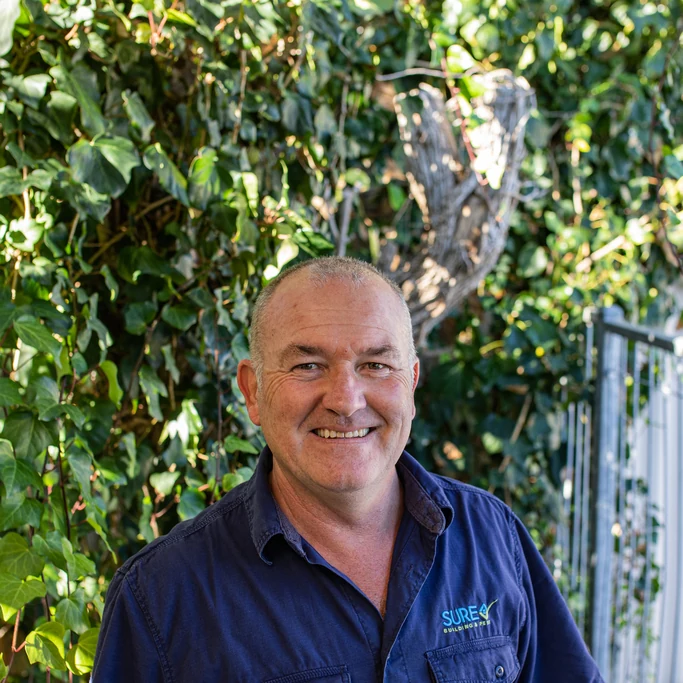
Gary Wilkes inspects Hammond Park and the whole Perth South territory, from South Perth down through the Cockburn corridor to Rockingham, Baldivis, and Mandurah. - Territory: Perth South - Experience: 15+ years - Specialisations: Estate-era slab settlement, Cockburn-corridor termite pressure, transition-geology assessment - Direct line: 1300 787 327 Gary typically responds within 2 hours on business days.
Local risks in Hammond Park
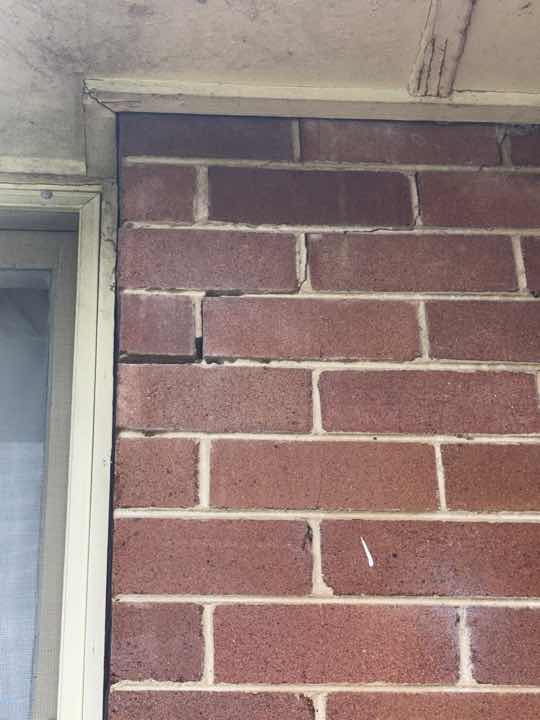
Hammond Park sits on Spearwood sand over limestone with reactive clay lenses further inland, a transition geology between the shallow-limestone coastal suburbs to the west and the reactive clay ground further south. That geology means both limestone-ground symptoms and reactive-ground symptoms show up in roughly equal measure, which is unusual in the Cockburn corridor. The estate-era landscaping adds the decisive layer. Most Hammond Park homes were built between the mid-1990s and 2010s, and the trees and gardens planted at handover are now 10-25 years old. As root systems reach the reactive clay lenses beneath the sand, seasonal slab movement accelerates in ways that were not visible when the properties were new. In Hammond Park, we see a lot of: - Trees in close proximity to the dwelling: 55% of reports. Estate-era planting at 1-2 metres from the slab is now root-reach range on reactive ground. This is the single most common finding here and the most direct driver of the structural outcomes below. Typical assessment: arborist consult plus crack monitoring at $600–$2,000. - Concealed slab edges: 48% of reports at severity 3.57 out of 5. The highest average severity of any recurring finding in the Hammond Park dataset. Estate garden beds that have grown up to the brick course eliminate the termite barrier inspection zone on brick-veneer timber-frame construction. Typical remediation: garden rebuild and barrier assessment at $1,200–$4,000. - External wall cracking from slab settlement: 48% of reports. The reactive clay lenses beneath the Spearwood sand respond to root drawdown and seasonal moisture. Most cracking is moderate stepped brickwork, but cases adjacent to trees or with poor stormwater direction can reach severity 4.0+. Typical repair: $1,500–$8,500.
Common issues in Hammond Park
Inspecting
Hammond Park homes
Every SURE inspection in Hammond Park covers the standard structural, moisture, roof, drainage and timber pest scope. What changes is where we spend the extra time. Hammond Park is a 29-report dataset and the findings are heavily weighted toward the classic master-planned-estate profile. Trees in close proximity to the dwelling flag in 55% of Hammond Park reports, the single most common finding, which reflects estate-era landscaping now reaching the size where root drawdown on reactive ground becomes a real structural issue. Concealed slab edges flag in 48% of reports at an average severity of 3.57 out of 5, the highest severity score of any recurring finding in the dataset, because concealed slab edges hide the termite entry path that brick-veneer timber-frame construction is vulnerable to. External wall cracking from slab settlement flags in 48%, and bedroom 2 ceiling cornice joint cracks flag in 48% as the typical telegraphing point where timber-frame movement reads into the finishes. Mulch and garden beds against the house flag in 41% at severity 2.83. Undrained air conditioner overflows flag in 38%, and high termite risk from environmental surrounds flags in 28%. The termite category runs to 21 of 29 reports at an average severity of 3.22, confirming that termite pressure is real and consistent in this transition zone. On the estate-era brick-veneer stock we spend extra time on slab-edge exposure, stormwater direction, and tree proximity that drives both settlement and termite entry, the three findings that together account for most Hammond Park outcomes.
DefectIndex
SURE has indexed 24 defects across 32 inspections in the Perth region. That data underlies every finding we report in Hammond Park.
Hammond Park and surrounding suburbs
Tiles © Esri · Esri, HERE, Garmin, © OpenStreetMap contributors, and the GIS user community
Questions we hear about Hammond Park
My Hammond Park home is less than 10 years old, do I still need an inspection?
Yes. The pattern across our 29 Hammond Park reports is that newer stock still flags settlement cracking, trees too close to the dwelling in 55% of inspections, and concealed slab edges in 48% at severity 3.57 out of 5. Newer doesn't mean defect-free, it means different defects. The 12 months FREE advice that comes with every SURE inspection covers you through the first year of ownership.
What does the 'transition geology' mean for my Hammond Park inspection?
Hammond Park sits on Spearwood sand over limestone with reactive clay lenses inland. That means both limestone-ground findings (concealed slab edges, inadequate slab-edge exposure) and reactive-ground findings (settlement cracking, cornice cracks) show up in our data, they're not mutually exclusive. Our inspector checks slab-edge detailing, tree proximity and stormwater direction independently rather than bundling them.
Is termite pressure high in Hammond Park?
Yes. The termite category runs to 21 of our 29 Hammond Park reports at an average severity of 3.22. Concealed slab edges flag in 48% of reports at severity 3.57, mulch and garden beds against the house flag in 41%, and high termite risk from environmental surrounds flags in 28%. None of these on their own are a material concern, but together they build up termite entry risk that a pre-purchase inspection is designed to catch.
How fast is the report and what happens if you find defects?
Same-day reports are usually available subject to access and availability. You get the full PDF the evening of the inspection with photos, severity ratings and plain-English explanations of what each defect means. If anything is flagged, you also get 12 months FREE advice from your inspector to help you decide whether to negotiate, re-inspect after repair, or plan your next step.
Who inspects Hammond Park properties?
Hammond Park sits inside the Perth South inspection territory, which runs from South Perth down through the Cockburn corridor to Rockingham, Baldivis and Mandurah. Gary is our Perth South inspector and every Hammond Park booking routes directly to him rather than a rotating pool of contractors. The 12 months FREE advice after the report is delivered direct from the inspector who walked the property.
What are the most common building defects found in Hammond Park?
Based on an indicative sample of 32 SURE inspections carried out in Hammond Park, the most common defects we identify are: External Wall Cracking due to Settlement, Trees in Close Proximity to Dwelling, Slab Edge Concealed by Soil, Paving, or Raised Garden Beds, Bedroom 2 Ceiling/Cornice Join Crack, Mulch and Garden Beds Against House.
Are termite or timber pest concerns common in Hammond Park?
Yes. Across 32 inspections in Hammond Park, the most common timber-pest findings include Slab Edge Concealed by Soil, Paving, or Raised Garden Beds, Mulch and Garden Beds Against House, High Termite Risk Due to Environmental Surrounds. We recommend a timber-pest inspection alongside any pre-purchase building inspection here.
What structural issues are typical for homes in Hammond Park?
Common structural findings we record in Hammond Park include External Wall Cracking due to Settlement. Each finding is reported alongside remedy recommendations and covered by 12 months free advice.
Is moisture a concern in Hammond Park homes?
Excess Moisture in Walls Adjacent to Wet Areas and Deteriorated Splashback Sealant are among the moisture-related findings recorded across 32 inspections in Hammond Park. Our inspectors use moisture-meter readings to quantify any issue they detect.
Book an inspection
in Hammond Park
More areas near Hammond Park
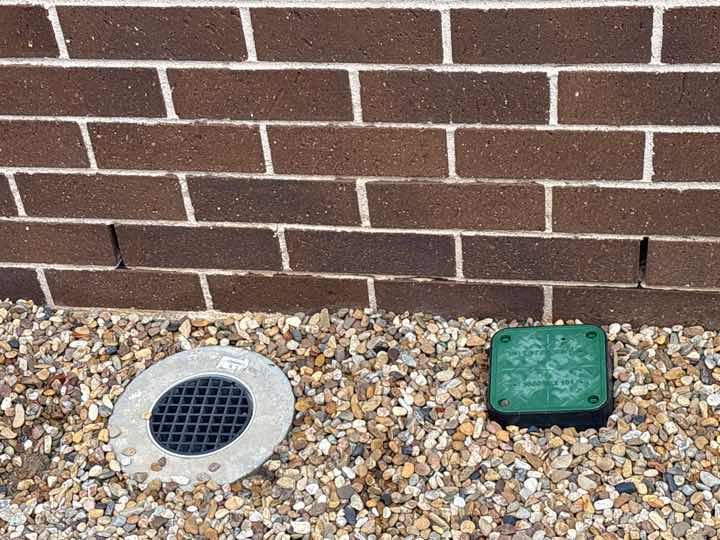
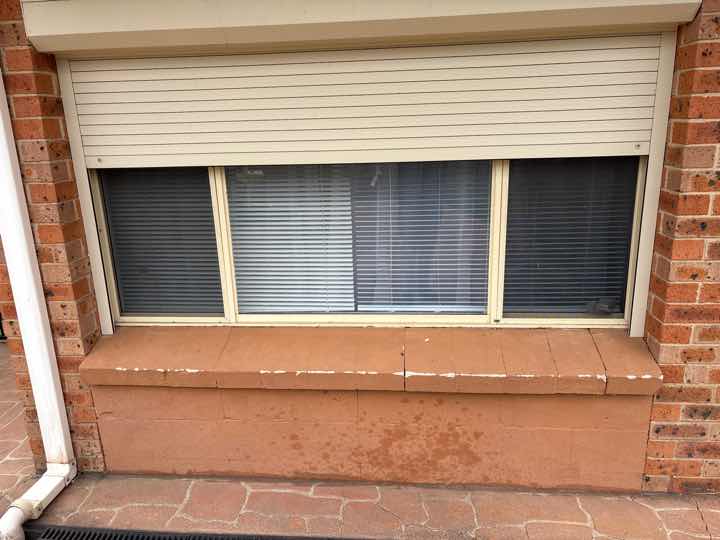
Real defects our inspectors have flagged
Built to last. Inspected to be SURE.
One inspection, twelve months of advice, and the same person on the other end of the phone every time you call. That is the part you do not see on the brochure.
9,237 inspections · 242,618 defects found · Inspector-owned franchises
Your free area report
Get your free area report in 30 seconds
A suburb-specific PDF with defect profiles from real SURE inspections in Hammond Park, price trends, school data, and era-aware inspection guidance, emailed within two minutes. Just 4 fields.
- Defect profile: top issues found in real SURE inspections in Hammond Park.
- Price trends & school data: local context to inform your decision.
- No paywall. No commitment. Just 4 fields, 30 seconds.