
Building Inspections in Bayswater, Perth
Stock profile · ABS 2021 Census
What’s here in Bayswater
- Separate houses
- 80.1%
- Semi-detached / townhouse
- 16.0%
- Flats & apartments
- 3.8%
6,111 occupied private dwellings
Local profile · ABS 2021 Census
Who lives in Bayswater
- Median age
- 39yrs
How Bayswater
was built
Bayswater was surveyed and gazetted in the 1890s as Perth began expanding east along the Midland railway corridor. Early settlement was slow, with the suburb functioning largely as market gardens and small holdings until the interwar period brought modest residential growth. The real transformation came after World War II. Between 1947 and 1954 the population more than doubled as returned soldiers and new migrants sought affordable housing close to the city, and brick-and-tile construction proceeded at a pace that reshaped the suburb within a decade. The dominant housing form that emerged, and which still characterises most of Bayswater today, is a single-storey cavity-brick home on a concrete strip footing, with a timber floor in the main body and a concrete slab addition to the rear. Weatherboard homes from the 1930s and early 1940s survive on some streets, sitting alongside the more common post-war brick stock. The 1955 Stephenson-Hepburn metropolitan planning report proposed two major highways through the suburb, which constrained developer confidence for decades and partly explains why Bayswater avoided the mid-century overdevelopment that affected neighbours like Morley. That restraint preserved the suburb's character but left a legacy of ageing infrastructure. The opening of the upgraded Bayswater station as a four-line junction in recent years has prompted a new wave of medium-density infill, particularly in the streets closest to the station.
What makes Bayswater worth it
-
Bayswater station as a four-line rail hub
The upgraded Bayswater station is the junction for the Midland, Airport, and Ellenbrook lines, putting residents within about 15 minutes of the Perth CBD and with direct rail access to the airport without changing trains.
-
Established character on large lots close to the city
Post-war homes on 600 to 700 square metre lots are within 8 kilometres of the CBD. The combination of lot size, established tree canopy, and proximity to the city is difficult to replicate in newer suburbs.
-
Galleria Shopping Centre five minutes north
One of Perth's major regional shopping centres in Morley sits a short drive north, covering major retail, dining, and services without the congestion of inner-city centres.
-
Swan River foreshore and Bayswater Riverside Gardens
The Bayswater foreshore reserve along the Swan River provides parkland, a boat ramp, and river views within a short cycle or walk from most streets in the suburb.
-
Strong public school catchment and local amenity
Bayswater Primary School and Hillcrest Primary feed into Bayswater Senior High School, and the suburb has a walkable cafe and retail strip along King William Street.
Top defects in Bayswater
Five issues we find most.
From 74 SURE inspections in Bayswater. Each defect is anonymous. No property is identified.
30 defect types indexed across 74 inspections
Meet Kim Steele

Kim Steele inspects Bayswater and the wider Perth eastern and northern corridor including Morley, Dianella, and Belmont. Post-war cavity-brick assessment and Bassendean sand foundation movement are his specialities for the 6053 postcode. - Territory: Perth North - Experience: 10+ years - Specialisations: Post-war cavity-brick assessment, Bassendean sand foundation movement, timber sub-floor inspection - Direct line: 1300 787 327 Kim typically responds within 2 hours on business days.
Local risks in Bayswater
Bayswater's defining housing wave arrived between 1947 and the early 1960s, when returned soldiers and postwar migrants built out the suburb on what had been market gardens and small holdings east of the rail corridor. The dominant form is single-storey cavity-brick on concrete strip footings, with timber floors in the original body of the home and concrete slab additions to the rear added over subsequent decades. That post-war stock is now 60 to 75 years old, the age where original materials across every system are at or approaching end of service life. The underlying geology is Bassendean sand over older dune systems, transitioning to heavier Guildford clay in the low-lying areas nearest the Swan River floodplain. In Bayswater, we see a lot of: - External wall cracking from settlement: the most common finding in our Bayswater reports. Strip footings on Bassendean sand respond to moisture changes driven by large trees, leaking irrigation, or changed drainage after rear slab additions. The signature crack is diagonal from a window corner, typically on the elevation closest to a mature street tree or garden feature. Typical repair: $3,500–$10,000. - Rising damp and degraded damp proof course: cavity-brick homes from the 1950s and early 1960s relied on a single-course slate or bituminous DPC that has often cracked, been bridged by external render, or been compromised by subsequent garden bed buildup. Moisture readings in the base course brickwork above 22% indicate active rising damp. Typical repair: $5,000–$9,000 for DPC injection and replastering. - Outdated electrical switchboard wiring: original ceramic fuse boards with no RCD protection are common in homes of this era. Some properties retain aluminium wiring in sub-circuits installed during 1960s-1970s upgrade works. Switchboard replacement: $1,800–$3,500. The timber sub-floor is a third scope item that Bayswater shares with Maylands and other pre-war inner-river suburbs. Sub-floor ventilation, bearer condition, and termite evidence in the sub-floor space are all checked as standard, on homes where the sub-floor has been partially enclosed by slab additions over the decades, ventilation is often critically restricted.
Common issues in Bayswater
Inspecting
Bayswater homes
Every SURE inspection in Bayswater covers structural, moisture, roof, drainage, and timber pest scope. The suburb's post-war housing stock, now between 60 and 75 years old, has reached the age where original materials require close attention. In our 39 Bayswater inspections, the three most common findings are external wall cracking due to settlement, trees in close proximity to the dwelling, and bedroom ceiling and cornice join cracks. Strip footings on Bassendean sand are susceptible to differential movement when trees draw moisture from the soil, and this shows up as diagonal cracking from window corners. Timber sub-floors in original homes are checked for ventilation, rot, and termite activity, while the roof space in homes of this era commonly shows restricted access due to settled insulation batts.
DefectIndex
SURE has indexed 30 defects across 74 inspections in the Perth region. That data underlies every finding we report in Bayswater.
Bayswater and surrounding suburbs
Tiles © Esri · Esri, HERE, Garmin, © OpenStreetMap contributors, and the GIS user community
Questions we hear about Bayswater
Should I get an inspection on a 1960s Bayswater home?
Absolutely. Homes from this era are now 60 to 70 years old, which means original roof tiles, wet-area waterproofing, sub-floor timbers, and electrical switchboards are all at or beyond expected service life. The findings in our Bayswater reports most frequently involve wall cracking from settlement and cornice cracking in secondary bedrooms, both of which are negotiating points in a purchase. The 12 months FREE advice that comes with every inspection keeps you covered through the first year of ownership.
Are there termite risks in Bayswater's older homes?
Yes, and they are real. Cavity-brick homes on timber sub-floors with garden beds against the base course are the highest-risk profile in Bayswater. Inspectors check slab edges and weep holes, look for mud lead traces in sub-floor spaces, and assess whether trees near the dwelling are creating a moisture gradient that attracts termite activity. A combined building and timber pest inspection is the standard recommendation for any pre-1975 Bayswater property.
What does Bassendean sand mean for my foundations?
Bassendean sand is relatively uniform and stable under normal conditions, but it responds to moisture changes caused by irrigation, leaking pipes, or large tree root systems. When a tree draws water from the sand under one side of a strip footing, that side drops slightly relative to the other. The result is the diagonal cracking from window corners that inspectors see regularly in Bayswater. The defect is manageable but needs to be assessed before purchase.
How long does a report take and what if defects are found?
Reports are usually delivered the same day as the inspection, subject to access and availability, in PDF with photos and plain-English severity ratings for every finding. If defects are found, which is common in homes of this age, you also receive 12 months FREE advice from your inspector to help you get quotes, interpret contractor reports, and decide whether repairs justify the purchase price.
Who carries out inspections in Bayswater?
Kim Steele covers Bayswater and the wider Perth eastern and northern corridor. Kim holds CPPHON4013 and CPPUPM3008, has more than a decade of residential building experience, and regularly inspects the post-war cavity-brick homes that define suburbs like Bayswater. Every booking routes directly to Kim.
What are the most common building defects found in Bayswater?
Based on an indicative sample of 74 SURE inspections carried out in Bayswater, the most common defects we identify are: External Wall Cracking due to Settlement, Timber in Contact with Ground, Trees in Close Proximity to Dwelling, Undrained Air Conditioner Overflow, Restricted Roof Void Access (Insulation).
Are termite or timber pest concerns common in Bayswater?
Yes. Across 74 inspections in Bayswater, the most common timber-pest findings include Timber in Contact with Ground, Slab Edge Concealed by Soil, Paving, or Raised Garden Beds, Mulch and Garden Beds Against House. We recommend a timber-pest inspection alongside any pre-purchase building inspection here.
What structural issues are typical for homes in Bayswater?
Common structural findings we record in Bayswater include External Wall Cracking due to Settlement, Obstructed Roof Void due to Insulation, Aged Roof Framing Timbers. Each finding is reported alongside remedy recommendations and covered by 12 months free advice.
Is moisture a concern in Bayswater homes?
Excessive Moisture Readings and Excess Moisture in Walls Adjacent to Wet Areas are among the moisture-related findings recorded across 74 inspections in Bayswater. Our inspectors use moisture-meter readings to quantify any issue they detect.
Book an inspection
in Bayswater
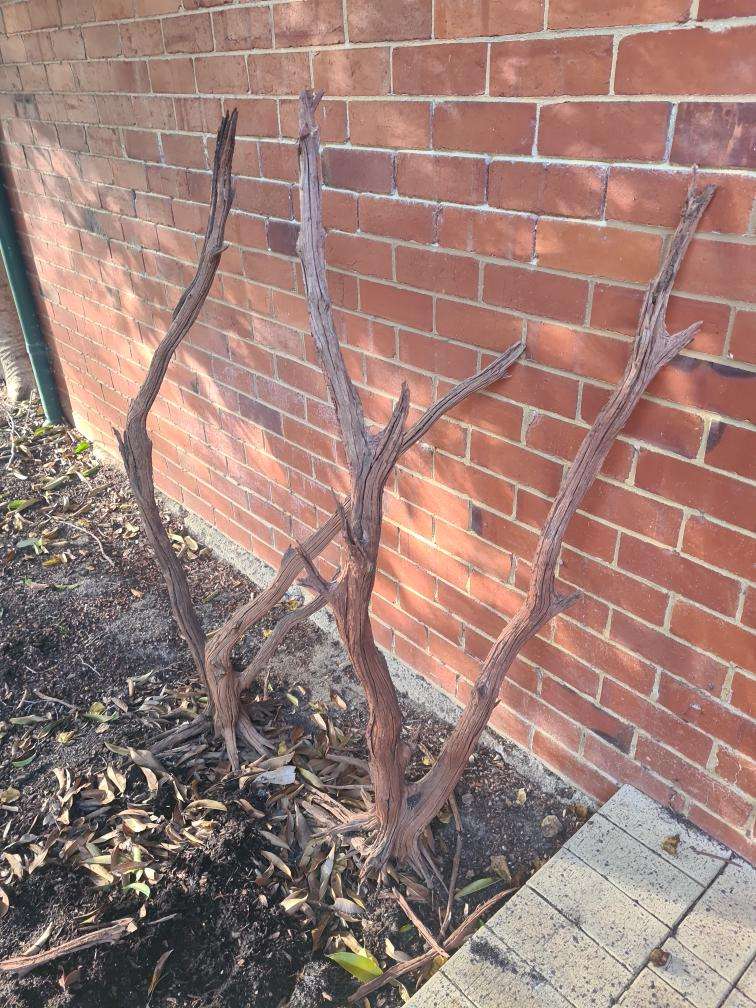
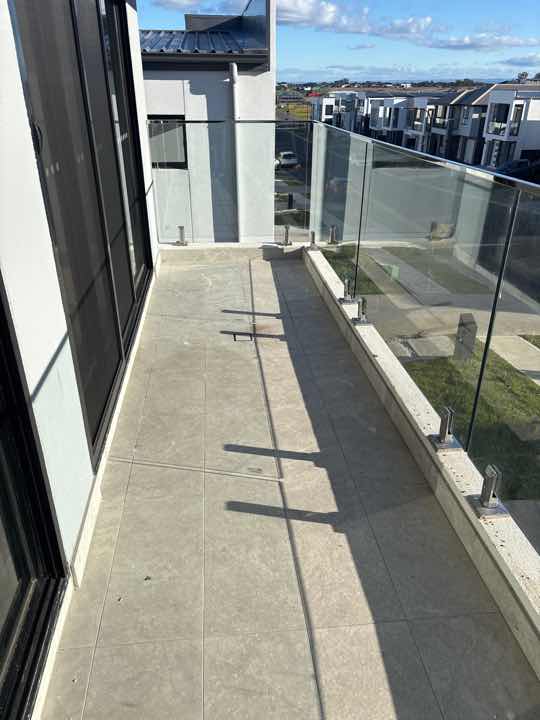
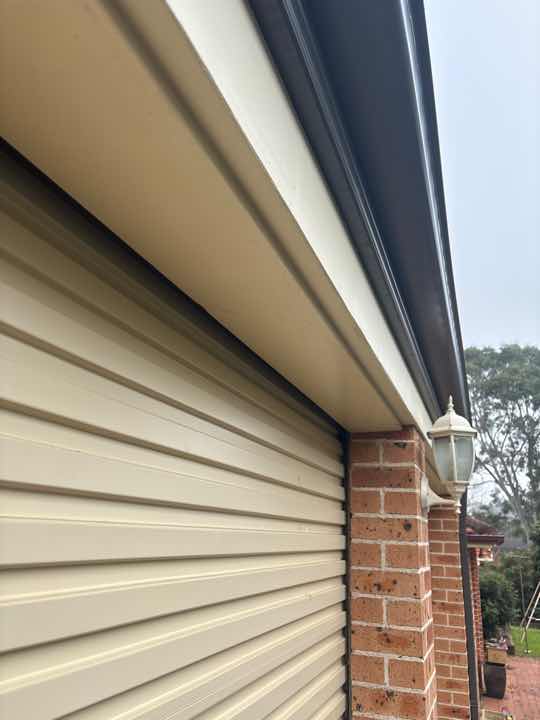
Real defects our inspectors have flagged
Built to last. Inspected to be SURE.
One inspection, twelve months of advice, and the same person on the other end of the phone every time you call. That is the part you do not see on the brochure.
9,237 inspections · 242,618 defects found · Inspector-owned franchises
Your free area report
Get your free area report in 30 seconds
A suburb-specific PDF with defect profiles from real SURE inspections in Bayswater, price trends, school data, and era-aware inspection guidance, emailed within two minutes. Just 4 fields.
- Defect profile: top issues found in real SURE inspections in Bayswater.
- Price trends & school data: local context to inform your decision.
- No paywall. No commitment. Just 4 fields, 30 seconds.