
Building Inspections in Belmont, Perth

Stock profile · ABS 2021 Census
What’s here in Belmont
- Separate houses
- 75.4%
- Semi-detached / townhouse
- 18.4%
- Flats & apartments
- 6.0%
2,860 occupied private dwellings
Local profile · ABS 2021 Census
Who lives in Belmont
- Median age
- 36yrs
How Belmont
was built
The area now known as Belmont was part of an 1831 land grant to Captain Francis Henry Byrne, and the name is believed to derive from his English estate. The land sat within easy reach of the Swan River and was used for pastoral grazing through much of the nineteenth century. By the early twentieth century, the proximity of Perth Airport, formally established in the 1930s in the Belmont-Kewdale area, began drawing employment and with it residential demand. The suburb was known as Belmont Park until 1968, a name that reflected the horse racing track that had operated there since 1897 and remains operating today as Ascot Racecourse. Significant residential development came in the post-war period, particularly through the 1950s and 1960s, when state housing commission projects and private subdivisions spread across the suburb's flat terrain. The dominant housing type from this era is a single-storey brick-and-tile home with a concrete strip footing, though earlier housing commission stock from the late 1940s often used fibrous cement sheet cladding on timber frames. The combination of an older housing stock, some residual industrial zoning near the airport precinct, and a river floodplain on the western boundary means Belmont carries a different inspection profile to the newer suburbs further east. More recent medium-density development has appeared along the Great Eastern Highway corridor.
What makes Belmont worth it
-
Seven kilometres from the Perth CBD
Belmont sits within the inner eastern ring, giving residents a short drive or bus connection to the city centre. For buyers priced out of closer suburbs, it offers inner-ring access at a significantly lower entry point.
-
Belmont Park Racecourse and Swan River parkland
The Belmont Park precinct combines the historic racecourse with Swan River foreshore parkland, cycling paths, and the Ascot Waters canal estate, all within the suburb boundary.
-
Perth Airport access without the noise penalty of closer suburbs
Belmont sits east of the main flight paths and within ten minutes of the international and domestic terminals, making it practical for frequent travellers or airport workers.
-
Belmont Forum as a full-service retail centre
Belmont Forum Shopping Centre provides major supermarkets, specialty retail, dining, and services in a single location at the suburb's centre.
-
Established lots with renovation potential
Post-war homes on 600 to 700 square metre lots are priced below many comparable inner-ring suburbs, giving buyers renovation upside on sound structural bones.
Top defects in Belmont
Five issues we find most.
From 44 SURE inspections in Belmont. Each defect is anonymous. No property is identified.
30 defect types indexed across 44 inspections
Meet Gary Wilkes

Kim Steele inspects Belmont and the wider Perth eastern corridor, covering Bayswater, Cloverdale, Kewdale, Carlisle, and the inner-eastern suburbs. Post-war brick-and-tile stock, fibrous cement homes from the housing commission era, and river-proximity moisture behaviour are central to his work in the City of Belmont. - Territory: Perth North - Experience: 10+ years residential building - Specialisations: Post-war brick-and-tile assessment, fibrous cement and asbestos identification, river-floodplain moisture and Guildford clay - Direct line: 1300 787 327 Kim typically responds within 2 hours on business days.
Local risks in Belmont
Belmont's residential character was shaped primarily in the post-war decades. State housing commission projects and private subdivisions through the 1950s and 1960s created a suburb of single-storey brick-and-tile homes on concrete strip footings, with earlier housing commission stock from the late 1940s using fibrous cement sheet cladding on timber frames. That 1940s-1960s cohort now sits at 60 to 80 years old, an age where multiple original components reach end of life simultaneously. The geology transitions from Bassendean sand in the northern and central areas to Guildford clay and alluvial deposits near the western Swan River floodplain, which introduces a moisture dimension not present in purely sandy eastern suburbs. In Belmont, we see a lot of: - External wall cracking and settlement near the river floodplain: alluvial clay and sand deposited by the Swan River retains seasonal moisture far longer than the Bassendean sand further east. Older homes within the western river-adjacent fringe show differential settlement as the clay sub-base responds to seasonal moisture cycles. Crack injection and monitoring: $2,000–$6,000 depending on crack extent. - Fibrous cement cladding with asbestos risk in pre-1975 housing commission stock: fibrous cement sheet cladding manufactured before 1987 may contain asbestos. Belmont housing commission homes from the late 1940s through the early 1970s are the most consistent source of this finding in our dataset. The material is stable when intact but creates disclosure and renovation obligations for buyers. Licensed removal per elevation: $2,800–$5,500. - Termite risk in older timber-framed homes: timber-framed housing commission construction, mature garden trees, and moisture-retaining riverside soil combine to create elevated termite exposure in western Belmont. Our inspections flag trees in close proximity to the dwelling, concealed slab edges, and high environmental termite risk across this cohort. Treatment if termites are active: $2,800–$5,000 plus structural repair. More recent medium-density development along the Great Eastern Highway corridor presents different scope: waterproofing junctions, balcony drainage, and inter-tenancy wall compliance on volume-built townhouses from the 2000s and 2010s.
Common issues in Belmont
Inspecting
Belmont homes
Every SURE inspection in Belmont covers structural, moisture, roof, drainage, and timber pest scope. The suburb's 1960s brick-and-tile stock and earlier fibrous cement homes present distinct inspection profiles. In our 28 Belmont inspections, the three most common findings are external wall cracking due to settlement, trees in close proximity to the dwelling, and bedroom ceiling and cornice join cracks. Homes near the western riverfront edge also show elevated moisture readings, reflecting the Guildford clay and alluvial soils that retain water seasonally. Undrained air conditioning overflow is a recurring finding, particularly in homes where split systems were added to older construction without proper drainage planning.
DefectIndex
SURE has indexed 30 defects across 44 inspections in the Perth region. That data underlies every finding we report in Belmont.
Belmont and surrounding suburbs
Tiles © Esri · Esri, HERE, Garmin, © OpenStreetMap contributors, and the GIS user community
Questions we hear about Belmont
Are fibrous cement homes in Belmont a concern for buyers?
Fibrous cement sheet cladding from the 1940s and 1950s may contain asbestos if the product was manufactured before 1987, which is the case for most Belmont housing commission stock. An inspection will document the presence of suspect material and recommend a licensed asbestos assessment before any renovation work. The cladding itself is not a risk if left undisturbed, but it affects renovation scope and resale disclosure obligations.
Is river proximity a real moisture risk for Belmont properties?
Western Belmont sits on alluvial clay and sand deposited by the Swan River over centuries, and this soil retains seasonal moisture far longer than the sand further east. In older homes this creates conditions for rising damp in low-set slab edges and sub-floor spaces. Our inspectors use moisture meters as standard and take extra readings in homes within 500 metres of the river boundary.
What about termite risk in Belmont's older homes?
Timber-framed housing commission homes and older sub-floor constructions present genuine termite exposure in Belmont. The combination of timber framing, mature garden trees, and moisture-retaining soil near the river creates favourable conditions. A combined building and timber pest inspection is the recommended approach for any pre-1975 Belmont property.
How fast is the report turnaround and what if there are defects?
Reports are usually delivered the same day as the inspection, subject to access and availability, in full PDF format with photographs and severity ratings. If defects are found you receive 12 months FREE advice from your inspector to help you interpret quotes, negotiate repairs, or decide whether to proceed with the purchase.
Who inspects Belmont properties?
Kim Steele covers Belmont and the wider Perth eastern corridor. Kim holds CPPHON4013 and CPPUPM3008, has more than a decade of residential building experience, and is familiar with both the post-war brick stock and the older fibrous cement homes that appear across the City of Belmont. Every booking routes directly to Kim.
What are the most common building defects found in Belmont?
Based on an indicative sample of 44 SURE inspections carried out in Belmont, the most common defects we identify are: External Wall Cracking due to Settlement, External Door Paint Deterioration, Undrained Air Conditioner Overflow, Trees in Close Proximity to Dwelling, Cracked Roof Mortar.
Are termite or timber pest concerns common in Belmont?
Yes. Across 44 inspections in Belmont, the most common timber-pest findings include Mulch and Garden Beds Against House, Slab Edge Concealed by Soil, Paving, or Raised Garden Beds, High Termite Risk Due to Environmental Surrounds. We recommend a timber-pest inspection alongside any pre-purchase building inspection here.
What structural issues are typical for homes in Belmont?
Common structural findings we record in Belmont include External Wall Cracking due to Settlement, Obstructed Roof Void due to Insulation, Lintel Rust Above External Window. Each finding is reported alongside remedy recommendations and covered by 12 months free advice.
Is moisture a concern in Belmont homes?
Deteriorated Splashback Sealant and Excessive Moisture Readings are among the moisture-related findings recorded across 44 inspections in Belmont. Our inspectors use moisture-meter readings to quantify any issue they detect.
Book an inspection
in Belmont
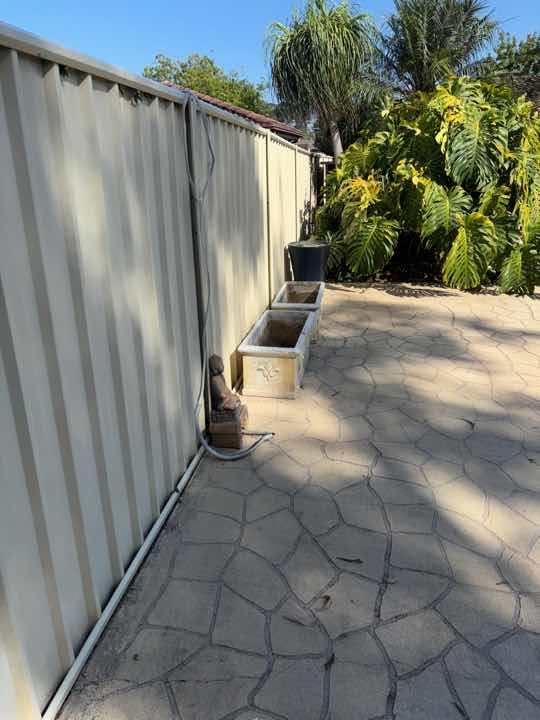
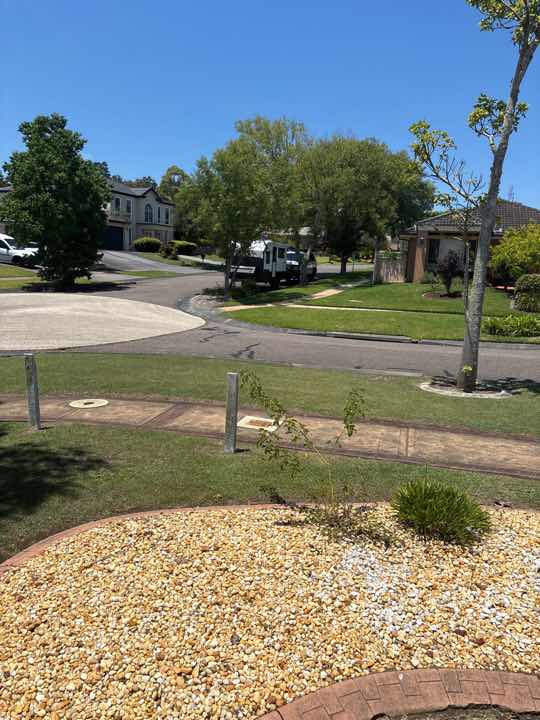
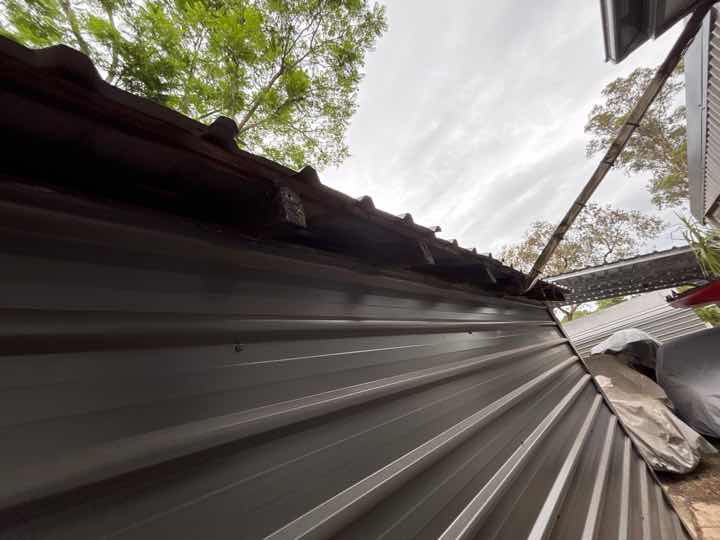
Real defects our inspectors have flagged
Built to last. Inspected to be SURE.
One inspection, twelve months of advice, and the same person on the other end of the phone every time you call. That is the part you do not see on the brochure.
9,237 inspections · 242,618 defects found · Inspector-owned franchises
Your free area report
Get your free area report in 30 seconds
A suburb-specific PDF with defect profiles from real SURE inspections in Belmont, price trends, school data, and era-aware inspection guidance, emailed within two minutes. Just 4 fields.
- Defect profile: top issues found in real SURE inspections in Belmont.
- Price trends & school data: local context to inform your decision.
- No paywall. No commitment. Just 4 fields, 30 seconds.