
Building Inspections in Dianella, Perth
Stock profile · ABS 2021 Census
What’s here in Dianella
- Separate houses
- 71.5%
- Semi-detached / townhouse
- 24.4%
- Flats & apartments
- 4.1%
9,579 occupied private dwellings
Local profile · ABS 2021 Census
Who lives in Dianella
- Median age
- 43yrs
How Dianella
was built
Dianella takes its name from a small blue lily, Dianella revoluta, which grew across the Banksia sandplain before any houses appeared. The area was subdivided as early as the 1880s by the Intercolonial Investment Company but the sandy soil made farming difficult and growth crawled. By 1919, a track running through to dairy farms in the Morley district was the only real sign of human activity along Walter Road. A shift came in 1958 when the localities of North Inglewood, East Yokine, Morley Park and Bedford Park were amalgamated to form modern Dianella. That administrative change coincided with Perth's post-war suburban push and the suburb took off. The 1960s brought the main construction wave, with housing rolling north from Walter Road and Grand Promenade into what had been scrubland. St Andrews and Dress Circle Estates filled in last, completing the suburb's character as a mixed streetscape of modest double-brick homes alongside some larger two-storey builds from later decades. By the mid 1970s the suburb was essentially built out, leaving a stock that is now well into its fifth decade. Schools, parks and the Coventry Village shopping strip settled into place around the same time, and those civic bones have changed little since.
What makes Dianella worth it
-
Central location with quick access to the CBD
Dianella sits roughly eight kilometres north-east of the Perth CBD. Connections via Morley Drive, Grand Promenade, and Alexander Drive put the city centre within a 15-minute drive outside peak hours.
-
Established schools and community infrastructure
The suburb has multiple primary schools and is within the catchment of Dianella Secondary College, meaning families do not need to travel far for government schooling options.
-
Larger blocks by inner-ring standards
Most original 1960s lots are 700 to 900 square metres, which is generous for a suburb this close to the city. That block size supports granny flats, pools, and subdivision potential under current R-codes.
-
Coventry Village and local retail within walking distance
The Coventry Village strip on Morley Drive and Dianella Plaza provide day-to-day retail and dining without needing to travel to a major centre, keeping the suburb self-contained for errands.
-
Parkland threaded through the suburb
Wasley Park, Dianella Regional Open Space, and several smaller reserves break up the streetscape. The regional open space connects south into Yokine Reserve and north toward Morley.
-
Steady rental demand from proximity to universities
Edith Cowan University Mount Lawley and Curtin University are both a short bus or drive away, supporting consistent rental demand from students and academic staff.
Top defects in Dianella
Five issues we find most.
From 72 SURE inspections in Dianella. Each defect is anonymous. No property is identified.
30 defect types indexed across 72 inspections
Meet Kim Steele

Kim Steele inspects Dianella and the wider Perth North corridor including Morley, Stirling, and Bayswater. He knows the 1960s double-brick stock and Spearwood sand foundation conditions that define the 6059 postcode. - Territory: Perth North - Experience: 10+ years - Specialisations: 1960s double-brick assessment, Spearwood sand settlement, asbestos-era material identification - Direct line: 1300 787 327 Kim typically responds within 2 hours on business days.
Local risks in Dianella
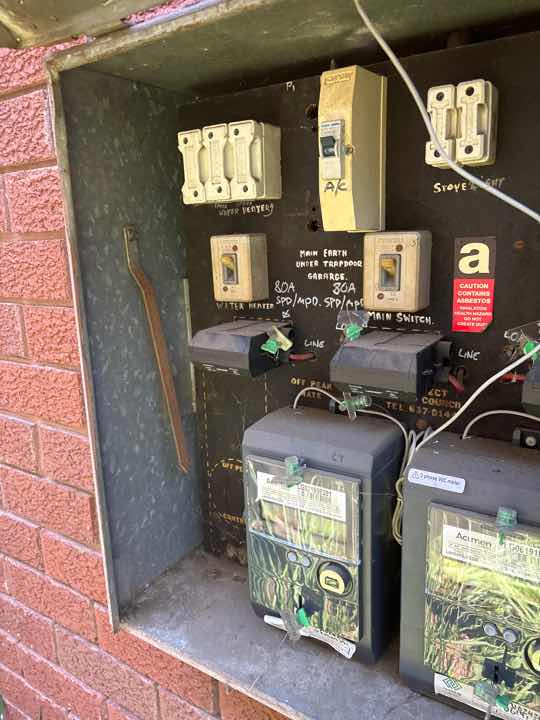
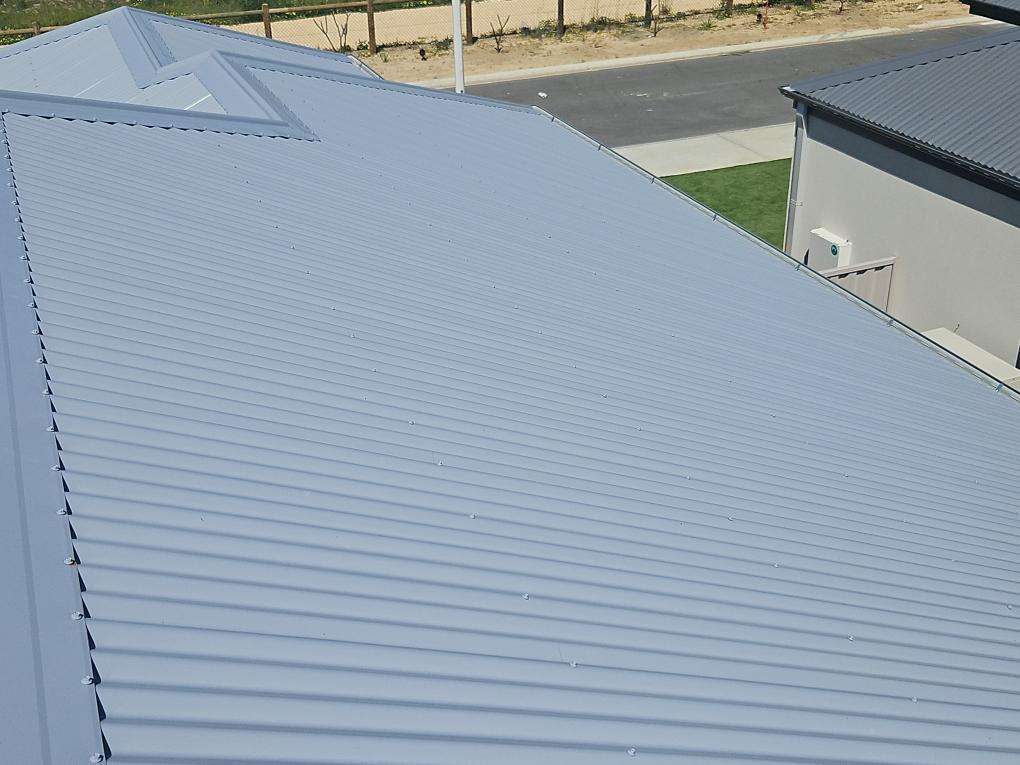
Dianella's main construction wave rolled through the 1960s as Perth's postwar suburban push moved north from Walter Road into what had been Banksia sandplain. The dominant built form is double-brick on a concrete slab from the mid-1960s to early 1970s, with pockets of earlier post-war weatherboard near Walter Road and Grand Promenade. By the mid-1970s the suburb was essentially built out, which means the housing stock is now well into its fifth decade, old enough that original roof tile mortar beds, wet-area waterproofing, and asbestos-containing building materials are all recurring inspection concerns. The underlying geology is Spearwood dune sands over the Swan Coastal Plain, with pockets of sandy loam and limestone transitions in the western portions. In Dianella, we see a lot of: - External wall cracking from settlement: the most common finding in our Dianella reports. Spearwood sand is relatively stable under static loads but responds to moisture changes from large established trees and irrigation. Dianella's 1960s lots had 50 years for street trees and garden plantings to grow to mature root spread, and the diagonal cracks from window corners on the affected elevations reflect decades of gradual moisture drawdown under the slab. Typical repair: $3,000–$9,000. - Ageing roof tiles and failed mortar beds: concrete and terracotta tiles from the 1960s and early 1970s are now approaching or past 60 years. The mortar bedding under ridge tiles and valley junctions has hardened, cracked, and in many cases returned to aggregate. Displaced ridge tiles and failed valley sealing are consistent findings in the roof inspection scope for Dianella. Typical repair: $2,500–$6,500. - Asbestos-era building materials: Dianella's 1960s and early 1970s stock sits squarely in the asbestos-cement construction window. Fibrous cement eave sheeting, fibro wall cladding on outbuildings, and asbestos-backed vinyl floor tiles under carpet are all present in the suburb. Materials are noted during the inspection and specialist testing is recommended before any rectification work. Concealed slab edges behind established garden beds are a consistent finding across Dianella's 60-year-old streetscape. Mature plantings built up against double-brick walls over decades of ownership hide the slab edge and create the termite entry conditions that the original 1960s construction was not designed to manage.
Common issues in Dianella
Inspecting
Dianella homes
Every SURE inspection in Dianella covers structural, moisture, roof, drainage, and timber pest scope. The three most common findings in our Dianella reports are external wall cracking due to settlement, trees in close proximity to the dwelling, and concealed slab edges. Because most homes were built in the 1960s and early 1970s, we pay particular attention to cracking in brick mortar joints and along external walls, large established trees whose roots have had decades to reach foundations, and slab edges hidden behind garden beds or paths that create undetected termite entry points. Roof tiles and ridge capping from this era are well past typical service life, so the roof inspection is thorough rather than a quick scan.
DefectIndex
SURE has indexed 30 defects across 72 inspections in the Perth region. That data underlies every finding we report in Dianella.
Dianella and surrounding suburbs
Tiles © Esri · Esri, HERE, Garmin, © OpenStreetMap contributors, and the GIS user community
Questions we hear about Dianella
Is a building inspection worth it for a 1960s Dianella home?
Yes. Homes from that era are now more than 50 years old, which means original roof tiles, mortar beds, wet-area waterproofing, and electrical wiring can all be at or past end of life. A SURE inspection identifies exactly what needs action before you commit, and the 12 months FREE advice that comes with every report covers you through the first year of ownership.
What is the asbestos risk in Dianella?
Homes built before 1985 may contain asbestos-cement sheet in eaves, internal wall linings, wet areas, and under floor tiles. Dianella's 1960s and early 1970s stock sits squarely in that window. During the inspection we note any materials that appear to be asbestos-containing and flag them for specialist testing. We do not sample the material ourselves, but we do tell you exactly where to look and what to do next.
How do the sandy soils in Dianella affect foundations?
The Swan Coastal Plain sands under most of Dianella drain quickly but also shift when large trees draw moisture out of them. The most common result is differential settlement along external walls, which shows up as diagonal cracking from corners of windows and doors. The inspection looks at crack width, pattern, and history to distinguish cosmetic movement from structural concern.
How quickly do I receive the report and what happens if defects are found?
Reports are usually delivered the same day as the inspection, subject to access and availability, typically by early evening. You get a full PDF with photos, severity ratings, and plain-English explanations. Any defects flagged also come with 12 months FREE advice from your inspector so you can negotiate, request repairs, or re-inspect after work is completed.
Who carries out building inspections in Dianella?
Kim Steele covers Dianella and the wider Perth North franchise area. Kim holds CPPHON4013 and CPPUPM3008, has over a decade of residential building experience, and is very familiar with the 1960s double-brick construction patterns and soil conditions typical of this suburb. Every Dianella booking routes directly to Kim.
What are the most common building defects found in Dianella?
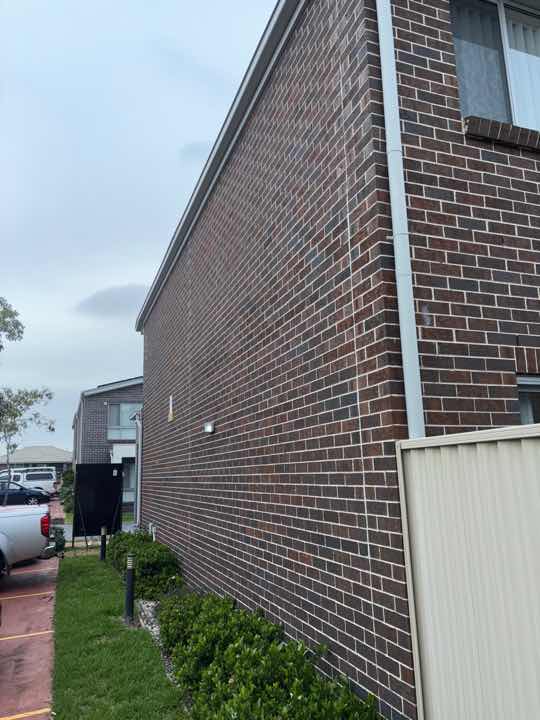
Based on an indicative sample of 72 SURE inspections carried out in Dianella, the most common defects we identify are: External Wall Cracking due to Settlement, Trees in Close Proximity to Dwelling, Undrained Air Conditioner Overflow, Slab Edge Concealed by Soil, Paving, or Raised Garden Beds, Obstructed Roof Void due to Insulation.
Are termite or timber pest concerns common in Dianella?
Yes. Across 72 inspections in Dianella, the most common timber-pest findings include Slab Edge Concealed by Soil, Paving, or Raised Garden Beds, Unsealed Plumbing/Drains through Slabs, Concealed Internal Wall Areas (Termite Risk). We recommend a timber-pest inspection alongside any pre-purchase building inspection here.
What structural issues are typical for homes in Dianella?
Common structural findings we record in Dianella include External Wall Cracking due to Settlement, Obstructed Roof Void due to Insulation, Rusted Pergola Post/s. Each finding is reported alongside remedy recommendations and covered by 12 months free advice.
Is moisture a concern in Dianella homes?
Excessive Moisture Readings and Deteriorated Splashback Sealant are among the moisture-related findings recorded across 72 inspections in Dianella. Our inspectors use moisture-meter readings to quantify any issue they detect.
Book an inspection
in Dianella
Real defects our inspectors have flagged
Built to last. Inspected to be SURE.
One inspection, twelve months of advice, and the same person on the other end of the phone every time you call. That is the part you do not see on the brochure.
9,237 inspections · 242,618 defects found · Inspector-owned franchises
Your free area report
Get your free area report in 30 seconds
A suburb-specific PDF with defect profiles from real SURE inspections in Dianella, price trends, school data, and era-aware inspection guidance, emailed within two minutes. Just 4 fields.
- Defect profile: top issues found in real SURE inspections in Dianella.
- Price trends & school data: local context to inform your decision.
- No paywall. No commitment. Just 4 fields, 30 seconds.