
Building Inspections in Stirling, Perth
Stock profile · ABS 2021 Census
What’s here in Stirling
- Separate houses
- 86.9%
- Semi-detached / townhouse
- 12.1%
- Flats & apartments
- 1.0%
3,618 occupied private dwellings
Local profile · ABS 2021 Census
Who lives in Stirling
- Median age
- 42yrs
How Stirling
was built
Stirling is a product of planning decisions made in the mid 1970s rather than organic suburban growth. The suburb was carved out of Balcatta when the postal district was gazetted in April 1976, and over the following eight years most of the available land was subdivided and built. Before residential development the area was an extension of the Osborne Park market garden belt, with fertile swampy land used for smallholdings and horticulture. The site of what is now the footbridge over the Cedric Street wetland was the municipal rubbish tip until the early 1970s. The construction of the Mitchell Freeway to Karrinyup Road in 1983 and 1984 cemented Stirling's position as a regional activity centre rather than a simple dormitory suburb, bringing commercial and light industrial development alongside the housing. Most of the residential stock is double-brick on a concrete slab from the late 1970s and early 1980s, now in the 40 to 50 year age bracket where roofing, wet-area waterproofing, and plumbing reach end of life. A subsequent wave of infill townhouses and grouped dwellings arrived through the 2000s and 2010s, concentrated near the train station and along main road corridors. The suburb sits on Spearwood dune sands over Tamala Limestone, with Bassendean sand on the eastern fringe where the freeway corridor was cut.
What makes Stirling worth it
-
Stirling station at the front door
Stirling station on the Joondalup and Yanchep lines puts the Perth CBD about 15 minutes away by train, which is faster than driving at peak hour and removes the need for city parking.
-
Karrinyup Shopping Centre within five minutes
The recently expanded Karrinyup Shopping Centre is one of Perth's best regional retail destinations. Stirling residents reach it in about five minutes by car without entering a freeway.
-
Established suburb with mature streetscapes
The 1970s-1980s build era left Stirling with wide streets, established tree canopy, and block sizes that new estates cannot replicate at comparable prices this close to the coast.
-
Mitchell Freeway access north and south
The Mitchell Freeway runs along the suburb's eastern edge, giving car commuters rapid access to both the CBD and the northern growth corridor without travelling through suburban streets.
-
Scarborough Beach within a short drive
Scarborough Beach and its rebuilt foreshore precinct are approximately four kilometres to the west, putting one of Perth's premier metropolitan beaches within easy reach for residents who want coast without paying coastal prices.
-
Infill opportunity on generous original lots
Many original Stirling lots remain on their first dwelling, which means buyers with development intent can find single-house sites with subdivision potential in an established, well-serviced suburb.
Top defects in Stirling
Five issues we find most.
From 42 SURE inspections in Stirling. Each defect is anonymous. No property is identified.
30 defect types indexed across 42 inspections
Meet Kim Steele

Kim Steele inspects Stirling and the wider northern corridor between Scarborough Beach Road and the Mitchell Freeway. The suburb's late-1970s to early-1980s double-brick stock, now 40-50 years old, is squarely in his wheelhouse, and he knows the Spearwood sand geology and what it does to slab edges. - Territory: Perth North - Experience: 10+ years - Specialisations: Late-1970s double-brick defect patterns, Spearwood sand slab-edge behaviour, asbestos-era plumbing and roof bedding - Direct line: 1300 787 327 Kim typically responds within 2 hours on business days.
Local risks in Stirling
Stirling was gazetted in 1976 and built out primarily between the late 1970s and mid 1980s, most of the residential stock is now 40 to 50 years old, which is the age window where roof tile bedding mortar, wet-area waterproofing membranes, and galvanised plumbing systems reach the end of their service life simultaneously. The suburb sits on Spearwood dune sands over Tamala Limestone, with Bassendean sand on the eastern fringe where the Mitchell Freeway corridor was cut. In Stirling, we see a lot of: - External wall cracking from slab settlement: the leading structural finding across our Stirling reports. Spearwood sand over limestone provides little lateral support to slab edges, and when downpipes are disconnected from stormwater or trees are planted within root distance of footings, the slab edge moves. Typical repair: $2,500–$8,000. - Ageing plumbing systems: galvanised iron supply lines in the 1976-1984 stock are at or past 45 years of service. The corrosion pattern is internal: low flow rates, discolouration, and pinhole failures in concealed sections. Replacement scope: $8,000–$18,000 for a full house replumb depending on access. - Asbestos-era building materials: homes built before 1985 in Stirling frequently carry asbestos cement sheeting in eave soffits, wet-area linings, and fibre cement external cladding. The main build wave falls squarely within this window. Assessment cost: $680–$900. Removal where needed: $3,500–$9,000 depending on extent. Roof tile displacement and failed bedding mortar is a consistent Stirling finding on 1976-1985 concrete tile roofs, the bedding has typically reached 40+ years and been exposed to Perth's UV cycle for the full period. Typical rebed cost: $2,800–$5,500.
Common issues in Stirling
Inspecting
Stirling homes
Every SURE inspection in Stirling covers structural, moisture, roof, drainage, and timber pest scope. The three most common findings in our Stirling reports are external wall cracking due to settlement, trees in close proximity to the dwelling, and ceiling and cornice joint cracks in secondary bedrooms. The suburb's late 1970s to early 1980s double-brick stock is now at the age where roof tile bedding, wet-area waterproofing, and galvanised plumbing are all approaching or past design life. Spearwood sand over limestone geology means slab edges are a consistent inspection focus, and the established tree canopy -- mature in many streets -- means root proximity to footings is a routine finding.
DefectIndex
SURE has indexed 30 defects across 42 inspections in the Perth region. That data underlies every finding we report in Stirling.
Stirling and surrounding suburbs
Tiles © Esri · Esri, HERE, Garmin, © OpenStreetMap contributors, and the GIS user community
Questions we hear about Stirling
Is a building inspection worth it in Stirling?
Yes. Most Stirling homes are now 40 to 50 years old, which is the age where roof bedding, wet-area waterproofing, and plumbing require replacement rather than repair. A SURE inspection identifies the real cost of ownership before you commit. Every report includes 12 months FREE advice so you have ongoing support through the first year.
Should I be concerned about asbestos in Stirling homes?
Homes built before 1985 may contain asbestos-containing materials in fibre cement sheeting, eaves linings, wet area linings, and floor coverings. Stirling's main build wave falls within that window. A building inspection does not include destructive testing, but your SURE inspector will flag all visible locations where asbestos products are likely present and note their condition, which informs any decision to renovate or re-roof.
What soil issues affect Stirling properties?
Stirling sits on Spearwood dune sands over Tamala Limestone, with Bassendean sand on the eastern fringe. Sandy soils provide little lateral support to slab edges and are susceptible to moisture-driven movement when downpipes are not connected to stormwater or when large trees are planted within root distance of footings. Settlement cracking along external walls is the most common structural finding in our Stirling inspections.
How fast is the report and what happens if defects are found?
Reports are usually delivered the same day as the inspection, subject to access and availability, typically by that evening. Every report includes photos, severity ratings, and plain-English explanations. If defects are found, you receive 12 months FREE advice from your inspector to help you negotiate a price reduction, request repairs before settlement, or plan a re-inspection after remediation.
Who inspects Stirling properties?
Kim Steele covers Stirling and the wider Perth North corridor. Kim holds CPPHON4013 and CPPUPM3008, has more than a decade of residential building experience, and is well acquainted with the late 1970s double-brick stock and sandy dune geology that define Stirling's inspection environment. Every Stirling booking routes directly to Kim.
What are the most common building defects found in Stirling?
Based on an indicative sample of 42 SURE inspections carried out in Stirling, the most common defects we identify are: External Wall Cracking due to Settlement, Trees in Close Proximity to Dwelling, Restricted Roof Void Access (Insulation), Bedroom 2 Ceiling/Cornice Join Crack, Slab Edge Concealed by Soil, Paving, or Raised Garden Beds.
Are termite or timber pest concerns common in Stirling?
Yes. Across 42 inspections in Stirling, the most common timber-pest findings include Slab Edge Concealed by Soil, Paving, or Raised Garden Beds, Concealed Internal Wall Areas (Termite Risk), Mulch and Garden Beds Against House. We recommend a timber-pest inspection alongside any pre-purchase building inspection here.
What structural issues are typical for homes in Stirling?
Common structural findings we record in Stirling include External Wall Cracking due to Settlement, Obstructed Roof Void due to Insulation. Each finding is reported alongside remedy recommendations and covered by 12 months free advice.
Is moisture a concern in Stirling homes?
Excessive Moisture Readings and Excess Moisture in Walls Adjacent to Wet Areas are among the moisture-related findings recorded across 42 inspections in Stirling. Our inspectors use moisture-meter readings to quantify any issue they detect.
Book an inspection
in Stirling
More areas near Stirling
Real defects our inspectors have flagged
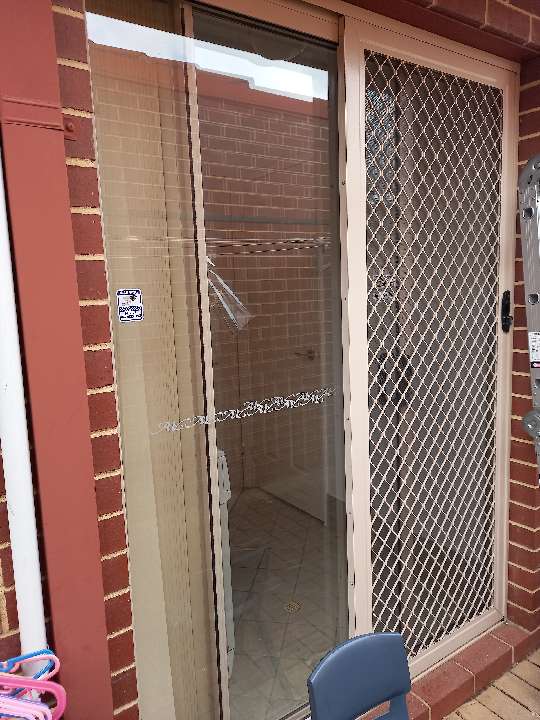
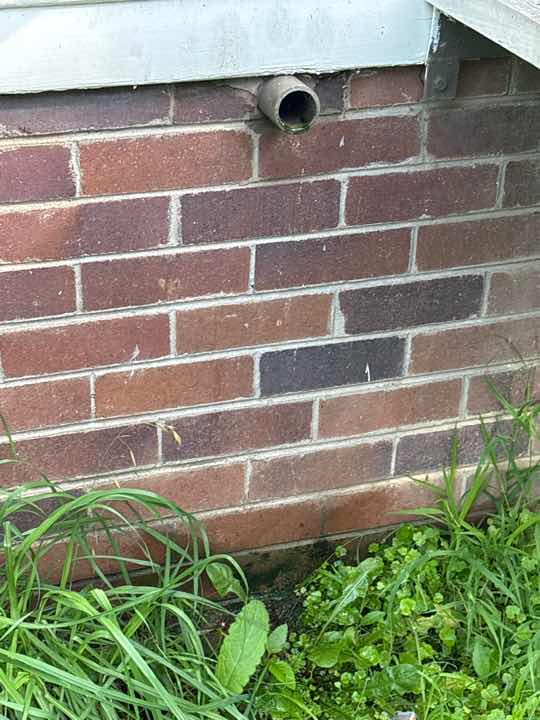
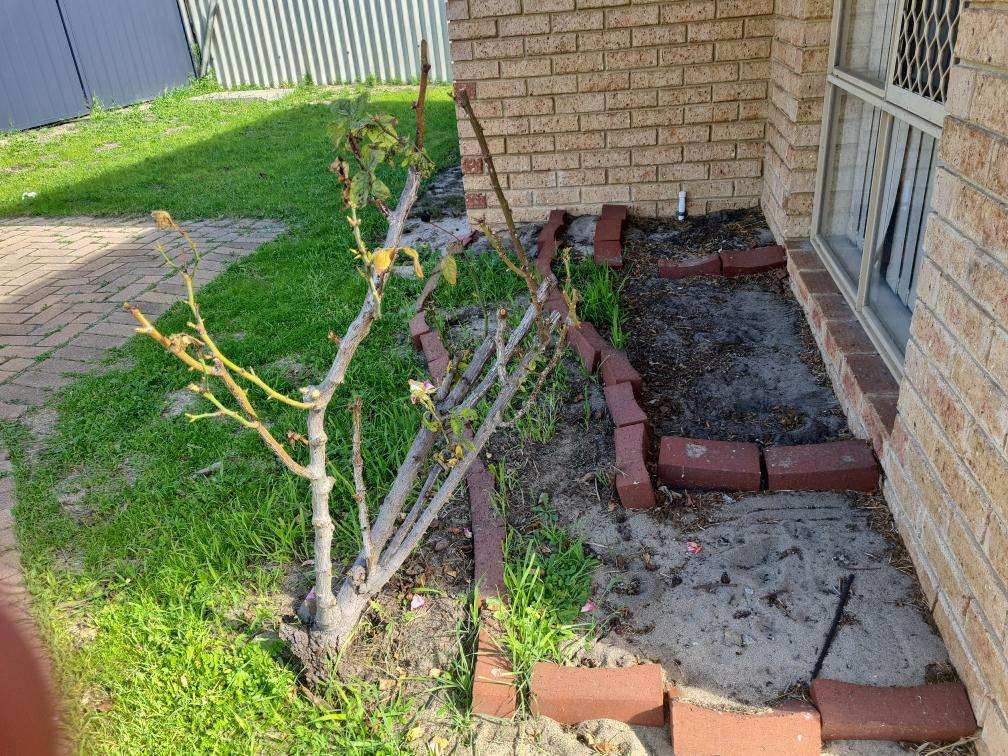
Built to last. Inspected to be SURE.
One inspection, twelve months of advice, and the same person on the other end of the phone every time you call. That is the part you do not see on the brochure.
9,237 inspections · 242,618 defects found · Inspector-owned franchises
Your free area report
Get your free area report in 30 seconds
A suburb-specific PDF with defect profiles from real SURE inspections in Stirling, price trends, school data, and era-aware inspection guidance, emailed within two minutes. Just 4 fields.
- Defect profile: top issues found in real SURE inspections in Stirling.
- Price trends & school data: local context to inform your decision.
- No paywall. No commitment. Just 4 fields, 30 seconds.