
Building Inspections in Duncraig, Perth
Stock profile · ABS 2021 Census
What’s here in Duncraig
- Separate houses
- 91.8%
- Semi-detached / townhouse
- 6.3%
- Flats & apartments
- 1.8%
5,543 occupied private dwellings
Local profile · ABS 2021 Census
Who lives in Duncraig
- Median age
- 42yrs
- Household income
- $2,394/wk
- Rent
- $460/wk
- Mortgage repayment
- $2,208/mth
How Duncraig
was built
Duncraig was bushland until the late 1960s. The suburb name, derived from Scottish Gaelic meaning roughly 'hill crag', was formally approved in 1969 and the first allotments were released around the same time, opening up what had been scrubland to the north of Carine. The bulk of construction ran through the mid 1970s to mid 1980s, with civic infrastructure arriving almost simultaneously: Davallia Primary School opened February 1974, Duncraig Library in July 1974, and Duncraig Primary School in February 1975. The suburb's high school and Glengarry Private Hospital both opened in 1979, and The Carine tavern on Beach Road followed in the same year, establishing the social anchors that the suburb still uses today. The resulting streetscape is unusually consistent, a planned suburb rather than an accumulated one, with double-brick homes on quarter-acre blocks sitting behind established street trees that were planted as part of the original subdivisional conditions. That single-era build character makes Duncraig easier to inspect in some ways than older mixed suburbs, but it also means the entire housing stock is now moving through the same maintenance window at the same time.
What makes Duncraig worth it
Convenient access to the Joondalup rail line
Warwick station on the Joondalup line is a short drive or cycle east, giving residents a direct train into the Perth CBD without the traffic of Stirling or the drive to Joondalup itself.
A private hospital inside the suburb
Glengarry Private Hospital sits within Duncraig's boundaries, which is unusual for a suburb this size and makes the suburb an appealing option for older buyers and those with young families.
A planned suburb with consistent, well-maintained streets
Because Duncraig was master-planned and built in a single era, the road network, park placement, and school locations form a coherent grid rather than a patchwork of retrofits.
Established trees and large lots
The original quarter-acre lots and council-planted street trees from the 1970s give the suburb a green, settled feel that newer estates cannot replicate for years.
Proximity to Hillarys Boat Harbour and the coast
Hillarys Boat Harbour is less than five kilometres west, with a beach, restaurants, Sorrento Quay, and the AQWA aquarium all accessible without leaving the northern suburbs.
Catchment for strong public schools
Duncraig Senior High School serves the suburb and has a solid reputation, and multiple primary schools are within the postcode, reducing school-run distances for families.
Top defects in Duncraig
Five issues we find most.
From 32 SURE inspections in Duncraig. Each defect is anonymous. No property is identified.
30 defect types indexed across 32 inspections
Meet Kim Steele

Kim Steele inspects Duncraig and the wider northern suburbs corridor from Stirling up to Yanchep. Duncraig's single-era double-brick stock and Tamala Limestone foundation conditions are his speciality areas in the 6023 postcode. - Territory: Perth North - Experience: 10+ years - Specialisations: Double-brick 1970s-80s assessment, Tamala Limestone slab-edge detailing, end-of-life roof mortar - Direct line: 0489 278 313 Kim typically responds within 2 hours on business days.
Local risks in Duncraig
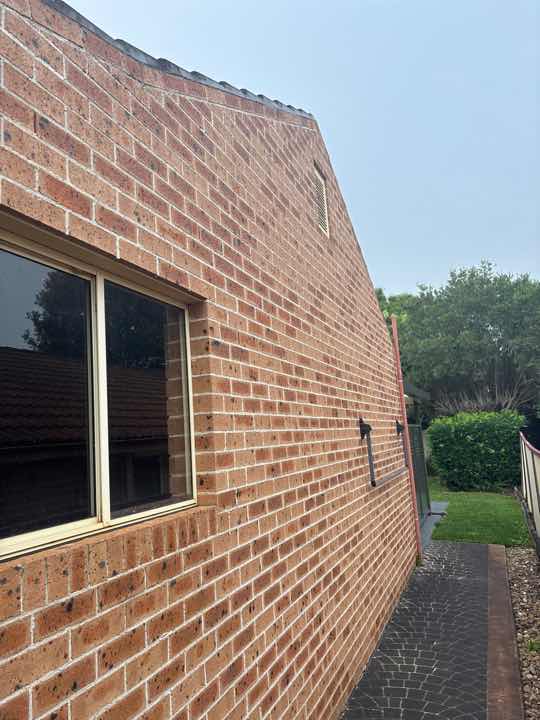
Duncraig is one of Perth's most consistent single-era suburbs. The bulk of construction ran from the mid-1970s to the mid-1980s, which means the entire housing stock is now moving through the same 40-50 year maintenance window simultaneously. Double-brick on concrete slab, concrete or terracotta tile roofs, and aluminium-framed windows define the material profile across most streets. That consistency makes Duncraig easier to scope than older mixed suburbs, but it also means there is no newer stock to pull the defect averages down. Sites sit on Tamala Limestone bedrock with shallow Spearwood dune sand overburden. Limestone is stable bearing, but the sandy overburden moves around it when stormwater is not properly directed and when established trees draw moisture from the shallower sand layers. External wall cracking from settlement is the leading finding. Ridge capping mortar on 40-year-old concrete and terracotta tile roofs is consistently at end-of-life, and original wet-area waterproofing membranes from the 1970s and 1980s are well past their design life. In Duncraig, we regularly see: - External wall cracking from settlement: the primary consequence of sandy overburden moving around limestone bearing, amplified by mature street trees at root proximity. - Ageing roof tile mortar and cracked ridge capping: 40-50 year old concrete and terracotta tile mortar is at or past end-of-life across most of the suburb. - Concealed slab edges from garden beds and paving: a consistent termite-entry risk on established Duncraig lots where garden beds have been built up against the external walls over decades.
Common issues in Duncraig
Inspecting
Duncraig homes
Every SURE inspection in Duncraig covers structural, moisture, roof, drainage, and timber pest scope. The three most common findings in our Duncraig reports are external wall cracking due to settlement, bedroom ceiling and cornice joint cracks, and inadequate slab edge exposure. Homes built in the mid 1970s are now approaching 50 years old, so we pay close attention to cracking in brick mortar and along external walls where shallow dune sands may have shifted, slab edges concealed by garden beds or paving that create potential termite entry, and ridge capping mortar on concrete or terracotta tile roofs that has reached end of service life.
DefectIndex
SURE has indexed 30 defects across 32 inspections in the Perth region. That data underlies every finding we report in Duncraig.
Duncraig and surrounding suburbs
Tiles © Esri · Esri, HERE, Garmin, © OpenStreetMap contributors, and the GIS user community
Questions we hear about Duncraig
Is a building inspection worth it for a 1970s or 1980s Duncraig home?
Yes. Most Duncraig homes are now 40 to 50 years old, placing original roofing, wet-area waterproofing, and plumbing in the maintenance window where issues become expensive if left unchecked. The 12 months FREE advice that comes with every SURE inspection means you have ongoing support through the first year of ownership, not just a one-off report.
What is the termite risk in Duncraig?
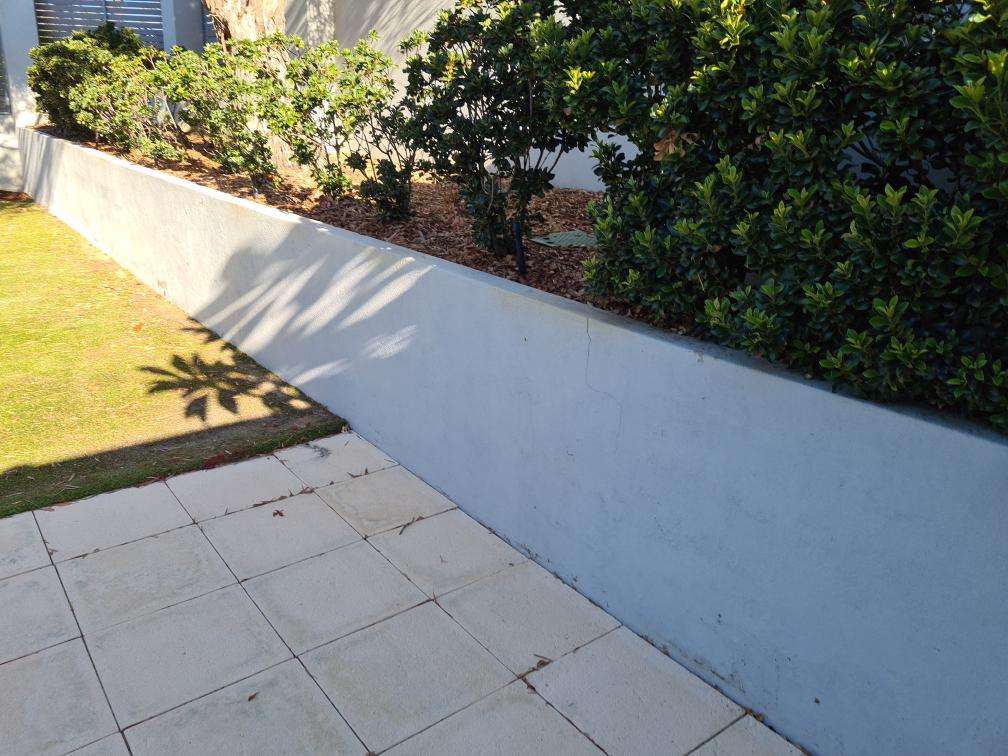
Duncraig sits on limestone and coastal sands, which are not as high-risk as the organic clay soils found in some older Perth suburbs. But every home in our DefectIndex data shows inadequate slab edge exposure as a recurring finding, which means termite entry points are being created by garden beds and paving placed against the external walls. That is exactly what the inspection checks for.
Does the coastal proximity cause moisture problems in Duncraig?
Duncraig is roughly three to four kilometres from the coast. Winter westerlies drive rain against rendered external walls, and aged window seals and ridge capping mortar are the first points of failure. Moisture meter testing is standard on every inspection here.
How quickly is the report delivered and what support do I get afterwards?
Same-day delivery is usually available subject to access and availability. Your full PDF report, with photos and severity ratings, arrives the evening of the inspection. Any finding comes with 12 months FREE advice from your inspector, covering re-inspections after repair, contractor quotes review, or questions that arise during settlement.
Who inspects Duncraig properties?
Kim Steele covers Duncraig and the Perth North franchise territory. Kim holds CPPHON4013 and CPPUPM3008, has more than a decade of residential building experience in Perth's northern suburbs, and is familiar with the 1970s double-brick construction patterns and Tamala Limestone foundation conditions common in this postcode.
What are the most common building defects found in Duncraig?
Based on an indicative sample of 32 SURE inspections carried out in Duncraig, the most common defects we identify are: External Wall Cracking due to Settlement, Timber in Contact with Ground, Bedroom 2 Ceiling/Cornice Join Crack, Mulch and Garden Beds Against House, Inadequate Slab Edge Exposure.
Are termite or timber pest concerns common in Duncraig?
Yes. Across 32 inspections in Duncraig, the most common timber-pest findings include Timber in Contact with Ground, Mulch and Garden Beds Against House, Tree Stumps on Site. We recommend a timber-pest inspection alongside any pre-purchase building inspection here.
What structural issues are typical for homes in Duncraig?
Common structural findings we record in Duncraig include External Wall Cracking due to Settlement, Patched Wall Cracks, Obstructed Roof Void due to Insulation. Each finding is reported alongside remedy recommendations and covered by 12 months free advice.
Is moisture a concern in Duncraig homes?
Excessive Moisture Readings and Excess Moisture in Walls Adjacent to Wet Areas are among the moisture-related findings recorded across 32 inspections in Duncraig. Our inspectors use moisture-meter readings to quantify any issue they detect.
Book an inspection
in Duncraig
See our wider coverage: Building inspections Perth
More areas near Duncraig
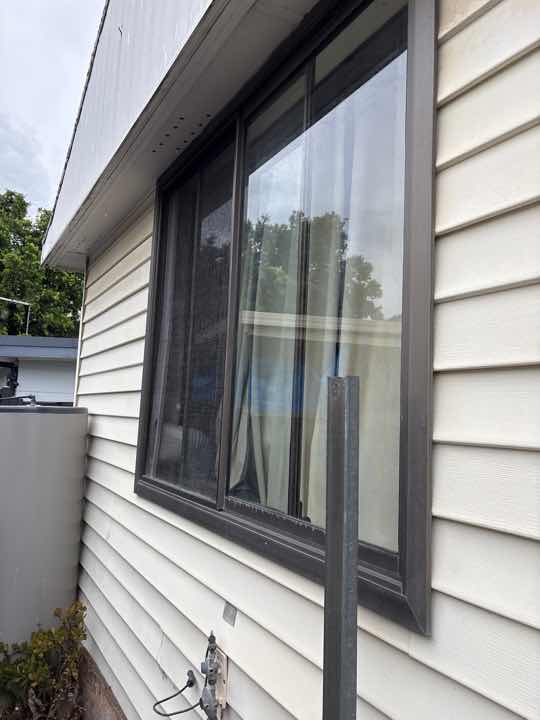
Real defects our inspectors have flagged
Built to last.Inspected to be SURE.
One inspection, twelve months of advice, and the same person on the other end of the phone every time you call. That is the part you do not see on the brochure.
9,237 inspections · 242,618 defects found · Inspector-owned franchises
Your free area report
Get your free area report in 30 seconds
A suburb-specific PDF with defect profiles from real SURE inspections in Duncraig, price trends, school data, and era-aware inspection guidance, emailed within two minutes. Just 4 fields.
- Defect profile: top issues found in real SURE inspections in Duncraig.
- Price trends & school data: local context to inform your decision.
- No paywall. No commitment. Just 4 fields, 30 seconds.