
Building Inspections in East Fremantle, Perth


Stock profile · ABS 2021 Census
What’s here in East Fremantle
- Separate houses
- 66.1%
- Semi-detached / townhouse
- 18.8%
- Flats & apartments
- 14.6%
2,913 occupied private dwellings
Local profile · ABS 2021 Census
Who lives in East Fremantle
- Median age
- 44yrs
How East Fremantle
was built
East Fremantle's residential character is deeply rooted in its early development, with a significant number of homes dating from the Federation and Edwardian eras between the 1890s and 1930s. These architectural styles reflect the suburb's growth during a period of prosperity in Western Australia. Over time, the housing stock diversified with the addition of 1950s-70s brick-and-tile residences, characteristic of post-war expansion. More recently, the suburb has seen modern townhouse infill, particularly along the desirable Swan River frontage, contributing to a unique blend of historical and contemporary living spaces. This evolution in housing mirrors the broader development trends of Perth, preserving elements of its past while adapting to modern demands.
What makes East Fremantle worth it
-
Diverse Architectural Heritage
The suburb boasts a unique mix of housing, from Federation and Edwardian cottages built between the 1890s and 1930s to more contemporary townhouses, reflecting a rich architectural history.
-
Distinct Geological Landscape
Underlying East Fremantle is Coastal Tamala limestone and Bassendean sand, a geological composition that influences the local environment and property characteristics.
Top defects in East Fremantle
Five issues we find most.
From 18 SURE inspections in East Fremantle. Each defect is anonymous. No property is identified.
30 defect types indexed across 18 inspections
Common issues in East Fremantle
Inspecting
East Fremantle homes
In East Fremantle, postcode 6158, our inspections reveal a housing stock that includes heritage-rich mixed stock from the 1890s to post-2000. Our Perth South inspector notes that properties here are often built on Coastal Tamala limestone with Bassendean sand pockets, a geology that can influence settlement patterns. From a smaller indicative sample of 18 reports, we have frequently observed External Wall Cracking due to Settlement in 83.3% of reports, and Trees in Close Proximity to Dwelling in 66.7% of reports. We also commonly find issues like an Outdated Termite Treatment Barrier in 50.0% of reports. We check for these and other potential issues to provide a comprehensive understanding of the property's condition.
DefectIndex
SURE has indexed 30 defects across 18 inspections in the Perth region. That data underlies every finding we report in East Fremantle.
East Fremantle and surrounding suburbs
Tiles © Esri · Esri, HERE, Garmin, © OpenStreetMap contributors, and the GIS user community
Questions we hear about East Fremantle
What does the geology of East Fremantle mean for a property?
East Fremantle sits on Coastal Tamala limestone with Bassendean sand pockets. This geology means the topsoil is generally free-draining, but the presence of calcrete and exposed footings can influence how properties settle over time. Our inspections consider these geological factors to assess potential impacts on the building's structure.
Are termites a concern for properties in East Fremantle?
Yes, termites are a concern in East Fremantle, as indicated by "Outdated Termite Treatment Barrier" appearing in 50.0% of our reports for the area. We recommend a thorough pest inspection alongside your building inspection to assess the current status of pest management and identify any active infestations or risks.
Who will be inspecting my potential new home in East Fremantle?
Your inspection in East Fremantle will be conducted by our Perth South inspector. This inspector covers Perth's southern corridor and holds certifications CPPHON4013 and CPPUPM3008, ensuring a professional and thorough assessment of your property.
What are the most common building defects found in East Fremantle?
Based on an indicative sample of 18 SURE inspections carried out in East Fremantle, the most common defects we identify are: External Wall Cracking due to Settlement, Timber in Contact with Ground, Trees in Close Proximity to Dwelling, Termite Damage in Tree Stump, External Door Paint Deterioration.
Are termite or timber pest concerns common in East Fremantle?
Yes. Across 18 inspections in East Fremantle, the most common timber-pest findings include Timber in Contact with Ground, Termite Damage in Tree Stump, Mulch and Garden Beds Against House. We recommend a timber-pest inspection alongside any pre-purchase building inspection here.
What structural issues are typical for homes in East Fremantle?
Common structural findings we record in East Fremantle include External Wall Cracking due to Settlement, Timber Fungal Decay (Rot) in Fascia and Barge Boards, Leaning Fence Sections. Each finding is reported alongside remedy recommendations and covered by 12 months free advice.
Is moisture a concern in East Fremantle homes?
Deteriorated Splashback Sealant are among the moisture-related findings recorded across 18 inspections in East Fremantle. Our inspectors use moisture-meter readings to quantify any issue they detect.
Book an inspection
in East Fremantle
More areas near East Fremantle
Real defects our inspectors have flagged
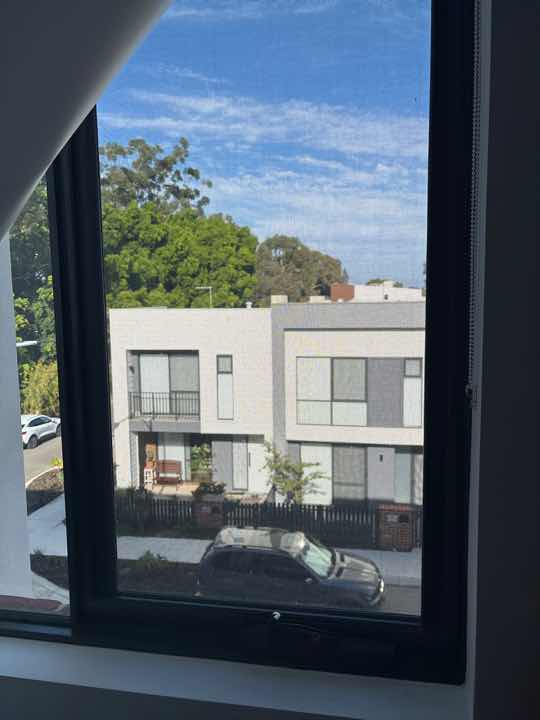
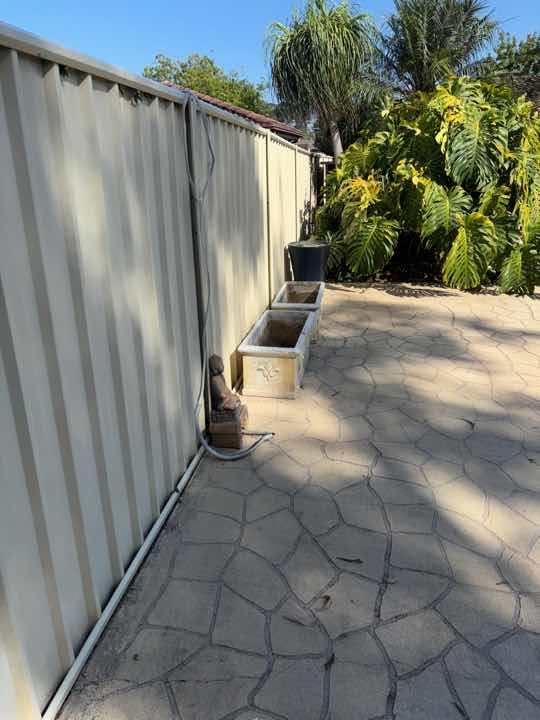
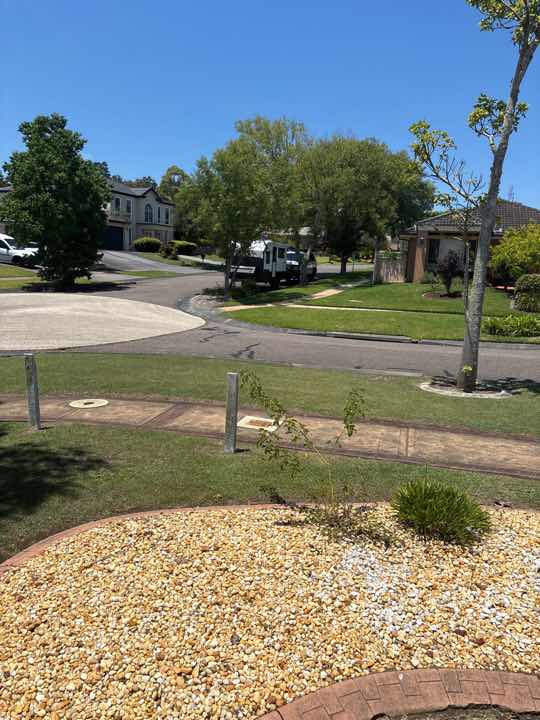
Built to last. Inspected to be SURE.
One inspection, twelve months of advice, and the same person on the other end of the phone every time you call. That is the part you do not see on the brochure.
9,237 inspections · 242,618 defects found · Inspector-owned franchises
Your free area report
Get your free area report in 30 seconds
A suburb-specific PDF with defect profiles from real SURE inspections in East Fremantle, price trends, school data, and era-aware inspection guidance, emailed within two minutes. Just 4 fields.
- Defect profile: top issues found in real SURE inspections in East Fremantle.
- Price trends & school data: local context to inform your decision.
- No paywall. No commitment. Just 4 fields, 30 seconds.