
Building Inspections in Mount Pleasant, Perth


Stock profile · ABS 2021 Census
What’s here in Mount Pleasant
- Separate houses
- 68.6%
- Semi-detached / townhouse
- 19.2%
- Flats & apartments
- 11.9%
2,866 occupied private dwellings
Local profile · ABS 2021 Census
Who lives in Mount Pleasant
- Median age
- 43yrs
How Mount Pleasant
was built
Mount Pleasant's development reflects a blend of eras, with properties from pre-1970, 1970-2000, and 2000-onwards making up the housing landscape. Many homes are constructed with brick-veneer on timber frames and concrete tile roofs. The suburb's location on the Bassendean sand plain, with reactive clay near the Swan River foreshore, has influenced construction and common issues. This geological makeup, particularly the river-edge clay lens, is a key factor in the prevalence of settlement cracking observed in our inspections across the 6153 postcode.
Top defects in Mount Pleasant
Five issues we find most.
From 39 SURE inspections in Mount Pleasant. Each defect is anonymous. No property is identified.
30 defect types indexed across 39 inspections
Common issues in Mount Pleasant
Inspecting
Mount Pleasant homes
In Mount Pleasant (postcode 6153), our inspections cover properties across its tri-era mix of pre-1970, 1970-2000, and 2000-onwards construction, often featuring brick-veneer on timber frames with concrete tile roofs. We pay close attention to the local geology of Bassendean sand plain over reactive clay, which contributes to common structural findings. For instance, we have identified External Wall Cracking due to Settlement in 67.6% of reports, Mulch and Garden Beds Against House in 58.8% of reports, and Concealed Slab Edge in 50.0% of reports. Inspector Kim Steele conducts inspections in this area, providing detailed assessments tailored to these local conditions.
DefectIndex
SURE has indexed 30 defects across 39 inspections in the Perth region. That data underlies every finding we report in Mount Pleasant.
Mount Pleasant and surrounding suburbs
Tiles © Esri · Esri, HERE, Garmin, © OpenStreetMap contributors, and the GIS user community
Questions we hear about Mount Pleasant
What does the geology of Mount Pleasant mean for property buyers?
Mount Pleasant sits on the Bassendean sand plain, with reactive clay near the Swan River foreshore. This geological composition, particularly the river-edge clay lens, is a significant factor in the prevalence of settlement cracking. Our inspections frequently identify external wall cracking due to settlement in properties here.
Are termites a significant concern for properties in Mount Pleasant?
Yes, our findings indicate termite-related risks in Mount Pleasant. We have noted outdated termite treatment barriers in 38.2% of reports and high termite risk due to environmental surrounds in 32.4% of reports. Additionally, issues like mulch and garden beds against the house (58.8% of reports) can create conducive conditions for pests.
Who conducts inspections in Mount Pleasant and what is the turnaround time?
Our inspector Kim Steele covers Mount Pleasant (postcode 6153) and the surrounding Perth northern and north-eastern corridor. We aim to deliver your comprehensive inspection report within 24 hours of the inspection where access and availability allow. All our reports also include 12 months of free expert advice from Kim Steele.
What are the most common building defects found in Mount Pleasant?
Based on an indicative sample of 39 SURE inspections carried out in Mount Pleasant, the most common defects we identify are: External Wall Cracking due to Settlement, Mulch and Garden Beds Against House, Undrained Air Conditioner Overflow, Slab Edge Concealed by Soil, Paving, or Raised Garden Beds, Timber in Contact with Ground.
Are termite or timber pest concerns common in Mount Pleasant?
Yes. Across 39 inspections in Mount Pleasant, the most common timber-pest findings include Mulch and Garden Beds Against House, Slab Edge Concealed by Soil, Paving, or Raised Garden Beds, Timber in Contact with Ground. We recommend a timber-pest inspection alongside any pre-purchase building inspection here.
What structural issues are typical for homes in Mount Pleasant?
Common structural findings we record in Mount Pleasant include External Wall Cracking due to Settlement, Obstructed Roof Void due to Insulation, Aged Roof Framing Timbers. Each finding is reported alongside remedy recommendations and covered by 12 months free advice.
Is moisture a concern in Mount Pleasant homes?
Main Bathroom Shower Sealant Deterioration and Excessive Moisture Readings are among the moisture-related findings recorded across 39 inspections in Mount Pleasant. Our inspectors use moisture-meter readings to quantify any issue they detect.
Book an inspection
in Mount Pleasant
More areas near Mount Pleasant
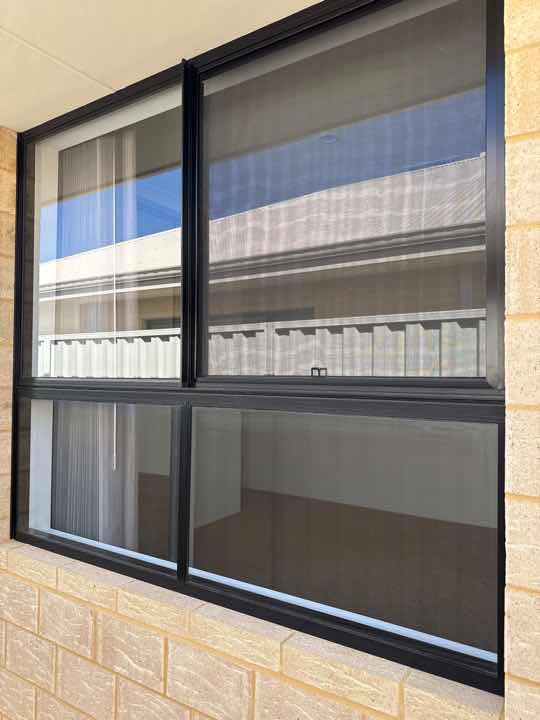
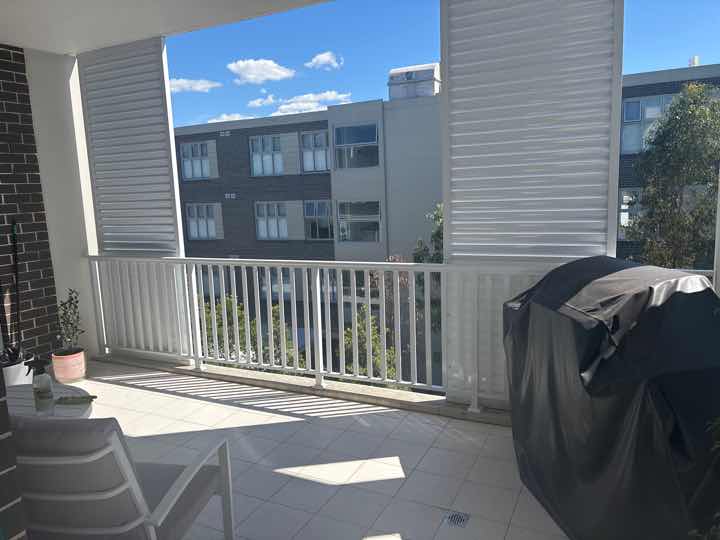
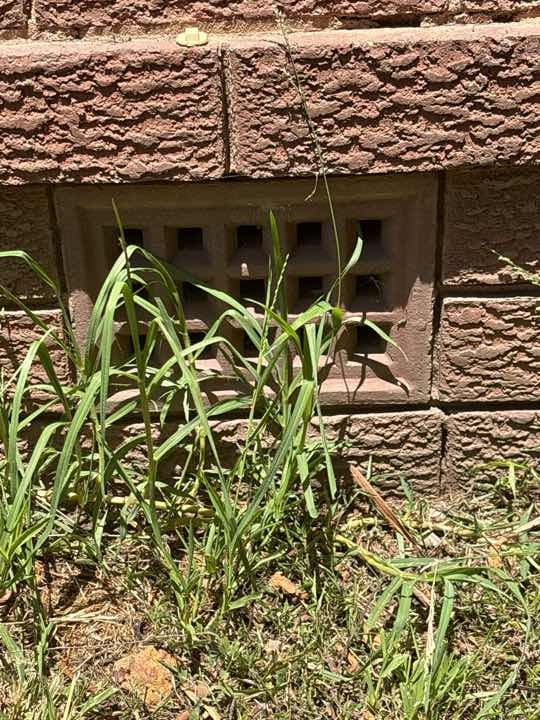
Real defects our inspectors have flagged
Built to last. Inspected to be SURE.
One inspection, twelve months of advice, and the same person on the other end of the phone every time you call. That is the part you do not see on the brochure.
9,237 inspections · 242,618 defects found · Inspector-owned franchises
Your free area report
Get your free area report in 30 seconds
A suburb-specific PDF with defect profiles from real SURE inspections in Mount Pleasant, price trends, school data, and era-aware inspection guidance, emailed within two minutes. Just 4 fields.
- Defect profile: top issues found in real SURE inspections in Mount Pleasant.
- Price trends & school data: local context to inform your decision.
- No paywall. No commitment. Just 4 fields, 30 seconds.