
Building Inspections in Applecross, Perth

Stock profile · ABS 2021 Census
What’s here in Applecross
- Separate houses
- 61.9%
- Semi-detached / townhouse
- 21.5%
- Flats & apartments
- 16.6%
2,790 occupied private dwellings
Local profile · ABS 2021 Census
Who lives in Applecross
- Median age
- 44yrs
How Applecross
was built
Applecross was surveyed and named in 1896 by Scottish investor Alexander Matheson, who took the name from his home district on the west coast of Scotland. The suburb was originally assigned as a land grant in 1830 and remained sparsely settled until Thomas Burke purchased around 900 hectares in 1925 and began subdividing it into affordable residential blocks. Burke's estates, with names like Rivermount, Canningview, and Ardross Park, were marketed at working Australians and sold through the late 1920s and 1930s. Early residents built modest brick cottages set among the Scottish-named streets, and the jacaranda trees that now define the suburb's character were first planted along its avenues in 1935. The real population surge came with the post-war housing boom of the 1950s and 1960s, when Applecross filled out with solid brick-and-tile homes on generous lots overlooking the Swan River. From the 1980s onward, the suburb's riverfront appeal attracted high-income buyers who began replacing those post-war homes with double-storey contemporary builds, a process that continues today. The result is a layered suburb where a 1960s brick ranch house sits next to a 2010s architectural rebuild on an identically sized lot. Median house prices now exceed $1.8 million, underpinned by the river views, proximity to the CBD, and the Canning Bridge station connection.
What makes Applecross worth it
-
Swan River foreshore on your doorstep
The Applecross foreshore reserve runs along the riverbank with walking paths, a jetty, and direct views of the Perth CBD skyline. River-facing lots command significant premiums and hold their value through market cycles.
-
Canning Bridge station to the CBD in 15 minutes
The Mandurah Line stop at Canning Bridge sits at the suburb's northern edge, giving residents a fast, frequent train service to the city without driving into the CBD.
-
Fiona Stanley Hospital nearby
One of WA's largest hospitals, with a trauma centre and specialist services, sits about ten minutes south via the Kwinana Freeway, unusually close for a premium inner-river suburb.
-
Ardross Street village and Garden City retail
The Ardross Street village strip provides daily cafe, dining, and convenience needs at a walkable scale, with Garden City Shopping Centre at Booragoon a five-minute drive for major retail.
-
Strong private school catchment
Wesley College, one of Perth's most established independent schools, sits within the suburb boundary. Penrhos College, Aquinas College, and St Thomas More Catholic Primary are all within a short drive.
-
Jacaranda streets and established tree canopy
Jacaranda plantings date to 1935 and create a distinctive streetscape in spring. Mature tree canopy throughout the suburb provides shade and character unavailable in newer estates.
Top defects in Applecross
Five issues we find most.
From 26 SURE inspections in Applecross. Each defect is anonymous. No property is identified.
24 defect types indexed across 26 inspections
Meet Gary Wilkes
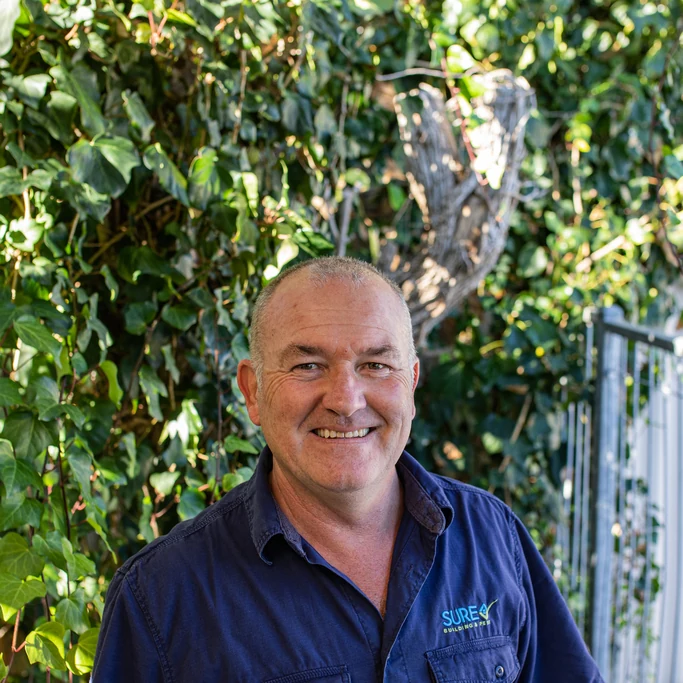
Gary Wilkes inspects Applecross and the wider Perth southern corridor. Premium renovation quality, ageing structural timber, and limestone foundation variance across two-era stock are his specialities in this postcode. - Territory: Perth South - Experience: 15+ years - Specialisations: Premium renovation quality issues, ageing structural timber, knockdown-rebuild construction quality - Direct line: 1300 787 327 Gary typically responds within 2 hours on business days.
Local risks in Applecross
Applecross is a two-era suburb, 1950s-1960s brick-and-tile on strip footings, and 1980s-2000s knockdown-rebuild double-storey homes on the same-sized lots. The geology is Spearwood dune system over Tamala Limestone, with sandy loam topsoil and limestone occasionally outcropping in garden excavations. Our 23 Applecross reports reflect both eras on the same street. In Applecross, we see a lot of: - External wall cracking from settlement: the most common finding across both eras. On original 1960s stock, strip footing movement under sandy loam is the driver. On rebuilds, tree proximity and concealed slab edges from established gardens are the issue. Typical repair: $3,000–$10,000 depending on origin. - Trees in close proximity to the dwelling: Applecross is defined by mature tree canopy, and established jacarandas and gums planted decades ago are now within root-reach of footings. Flags frequently at severity 3/5 and above. - Concealed slab edges: established garden plantings on the original-sized lots of rebuilds often grow back against the structure within a few seasons, hiding the termite inspection zone. Flags in a significant proportion of reports at severity 3.5/5. On premium riverside properties the additional risk is moisture. River proximity adds winter humidity, and in original 1960s homes that means sub-floor ventilation issues and aged wet-area tiling that no longer waterproofs. In newer riverfront builds, balcony waterproofing and below-ground retaining walls receive the most attention in our reports.
Common issues in Applecross
Inspecting
Applecross homes
Every SURE inspection in Applecross covers structural, moisture, roof, drainage, and timber pest scope. The suburb's mix of 1960s originals and recent rebuilds means two very different inspection profiles can appear on the same street. In our 11 Applecross inspections, the three most common findings are external wall cracking due to settlement, trees in close proximity to the dwelling, and concealed slab edges. In older brick homes, inspectors pay particular attention to strip footing integrity, sub-floor ventilation in partially suspended designs, and the condition of original wet-area tiling. In rebuilt homes, the focus shifts to construction quality and whether the premium finishes are backed by correct waterproofing behind them.
DefectIndex
SURE has indexed 24 defects across 26 inspections in the Perth region. That data underlies every finding we report in Applecross.
Applecross and surrounding suburbs
Tiles © Esri · Esri, HERE, Garmin, © OpenStreetMap contributors, and the GIS user community
Questions we hear about Applecross
Is a building inspection worthwhile for a high-value Applecross property?
At median prices above $1.8 million, the cost of an inspection is negligible against what a missed structural or moisture defect could cost you. Many Applecross properties have been renovated multiple times, and finishes can conceal defects in the original fabric. The 12 months FREE advice that comes with every SURE inspection covers you through the first year of ownership when unexpected issues are most likely to surface.
What inspection risks come with a knockdown-rebuild in Applecross?
Recent rebuilds are not automatically defect-free. Common findings in newer Applecross homes include concealed slab edges that are covered by garden landscaping, downpipes directed onto garden beds rather than into stormwater, and trees left close to foundations during the rebuild. We check all of these as standard, alongside the construction quality of the new structure itself.
Are limestone outcrops a problem for foundations in Applecross?
The Spearwood dune system means limestone can be close to the surface in some Applecross lots. Limestone itself is stable, but uneven rock profiles can mean differential bearing under footings, which shows up as cracking in external walls. Excavation spoil in garden beds is often the first clue that rock is shallow on that lot.
Does proximity to the Swan River cause moisture issues?
River proximity adds humidity to the local environment, particularly in winter. In original 1960s homes the main risk is moisture tracking through unrenovated sub-floor spaces and wet-area tiles. In newer riverfront builds, balcony waterproofing and below-ground retaining walls are the areas that receive the most attention in our reports.
Who carries out inspections in Applecross?
Gary Wilkes covers Applecross and the wider Perth southern corridor. Gary holds CPPHON4013 and CPPUPM3008 and brings 15 years of residential and commercial building experience to every inspection. He is the SURE Building Inspections Perth South franchisee, so every Applecross booking routes directly to Gary rather than an outsourced contractor.
What are the most common building defects found in Applecross?
Based on an indicative sample of 26 SURE inspections carried out in Applecross, the most common defects we identify are: External Wall Cracking due to Settlement, External Door Paint Deterioration, Obstructed Roof Void due to Insulation, Trees in Close Proximity to Dwelling, High Termite Risk Due to Environmental Surrounds.
Are termite or timber pest concerns common in Applecross?
Yes. Across 26 inspections in Applecross, the most common timber-pest findings include High Termite Risk Due to Environmental Surrounds, Mulch and Garden Beds Against House, Slab Edge Concealed by Soil, Paving, or Raised Garden Beds. We recommend a timber-pest inspection alongside any pre-purchase building inspection here.
What structural issues are typical for homes in Applecross?
Common structural findings we record in Applecross include External Wall Cracking due to Settlement, Obstructed Roof Void due to Insulation, Lintel Rust Above External Window. Each finding is reported alongside remedy recommendations and covered by 12 months free advice.
Is moisture a concern in Applecross homes?
Deteriorated Splashback Sealant and Main Bathroom Shower Sealant Deterioration are among the moisture-related findings recorded across 26 inspections in Applecross. Our inspectors use moisture-meter readings to quantify any issue they detect.
Book an inspection
in Applecross
More areas near Applecross
Real defects our inspectors have flagged
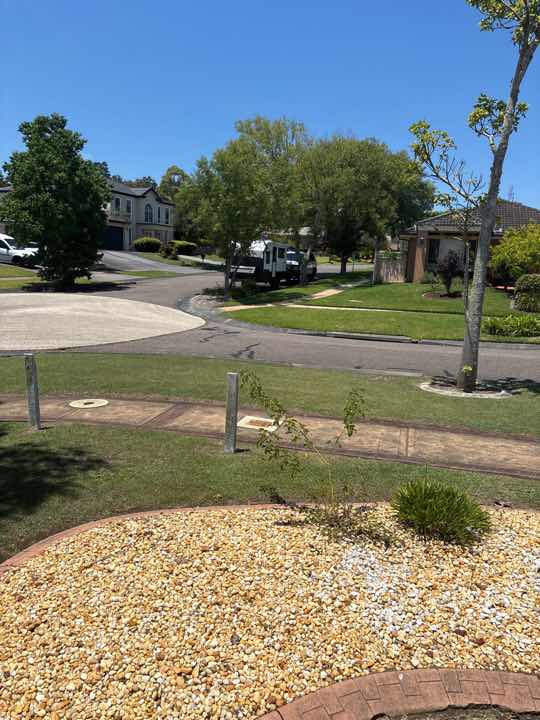
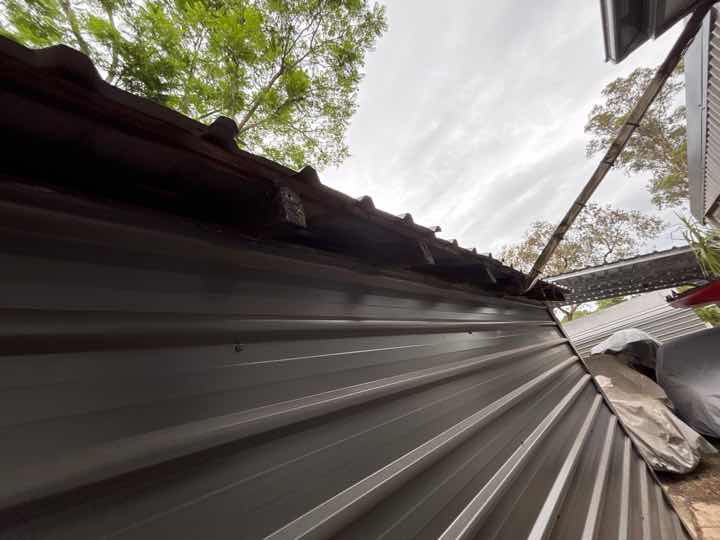
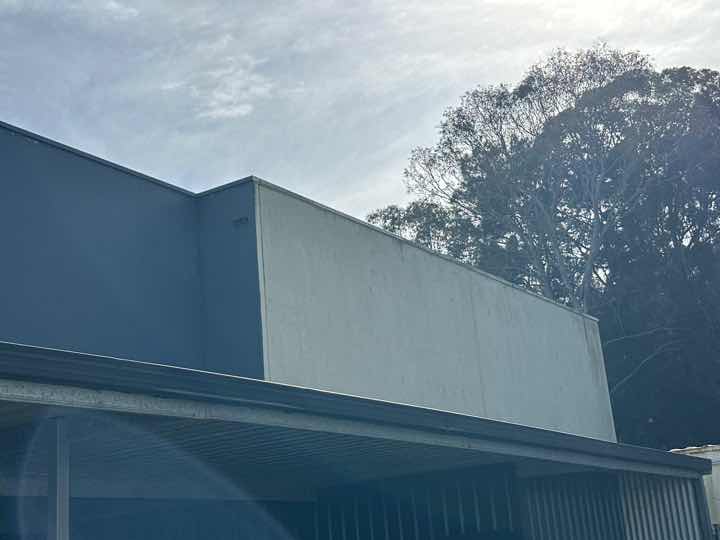
Built to last. Inspected to be SURE.
One inspection, twelve months of advice, and the same person on the other end of the phone every time you call. That is the part you do not see on the brochure.
9,237 inspections · 242,618 defects found · Inspector-owned franchises
Your free area report
Get your free area report in 30 seconds
A suburb-specific PDF with defect profiles from real SURE inspections in Applecross, price trends, school data, and era-aware inspection guidance, emailed within two minutes. Just 4 fields.
- Defect profile: top issues found in real SURE inspections in Applecross.
- Price trends & school data: local context to inform your decision.
- No paywall. No commitment. Just 4 fields, 30 seconds.