
Building Inspections in South Perth, Perth

Stock profile · ABS 2021 Census
What’s here in South Perth
- Separate houses
- 33.9%
- Semi-detached / townhouse
- 36.5%
- Flats & apartments
- 29.4%
5,625 occupied private dwellings
Local profile · ABS 2021 Census
Who lives in South Perth
- Median age
- 42yrs
How South Perth
was built
South Perth sits directly across the Swan River from the Perth CBD, and its settlement story begins earlier than most Perth suburbs. The Dutch expedition under Willem de Vlamingh in 1697 was the first to record the Swan River, and by 1831 the area had been identified as a distinct locality within the new Swan River Colony. Early development was slow: the soil was infertile sandy country, access from the Perth side required a ferry, and the government reserved a large village allotment that constrained private subdivision. A mill was built in 1833 and a regular ferry service established in the same decade. By the 1880s Chinese market gardeners had established productive gardens on the foreshore, and in 1898 the Perth Zoo and Royal Perth Golf Club both opened, beginning the suburb's identity as Perth's leisure destination. The first decades of the twentieth century added the character home stock now concentrated near the river, predominantly double-brick bungalows and cottages from the 1930s and 1940s. Mass residential development followed in the 1950s and 1960s as the Causeway and Canning Bridge improved road access. The current suburb contains three overlapping eras: pre-war character homes, postwar double-brick family houses, and a growing layer of apartment buildings that have risen along the foreshore and Mill Point Road since the 1990s.
What makes South Perth worth it
-
Unmatched CBD proximity across the river
The South Perth ferry terminal puts residents at Elizabeth Quay in under ten minutes, and the suburb's position on the southern bank of the Swan River means the CBD skyline is visible from many streets.
-
Perth Zoo, Sir James Mitchell Park, and the foreshore
The Swan River foreshore, Perth Zoo, and Sir James Mitchell Park give South Perth a level of open-space amenity that inner suburbs of comparable price points rarely match.
-
Character homes with architectural diversity
South Perth contains a genuine range of dwelling types from pre-war bungalows and Federation cottages near the river to 1960s family homes on larger blocks further from the foreshore, giving buyers real choice within one postcode.
-
Mends Street village and dining precinct
The Mends Street strip provides a walkable café, restaurant, and specialty retail precinct within the suburb itself, which removes the need to cross the river for everyday amenity.
-
Excellent school options in the catchment
South Perth falls within catchment for several well-regarded public and private schools, which consistently makes the suburb attractive to families who prioritise education access at the time of purchase.
-
Long-established tree canopy and mature streetscapes
Decades of established vegetation give South Perth a visual amenity that newer estates cannot replicate, with mature street trees and river views forming a consistent backdrop across the suburb's residential streets.
Top defects in South Perth
Five issues we find most.
From 42 SURE inspections in South Perth. Each defect is anonymous. No property is identified.
30 defect types indexed across 42 inspections
Meet Gary Wilkes
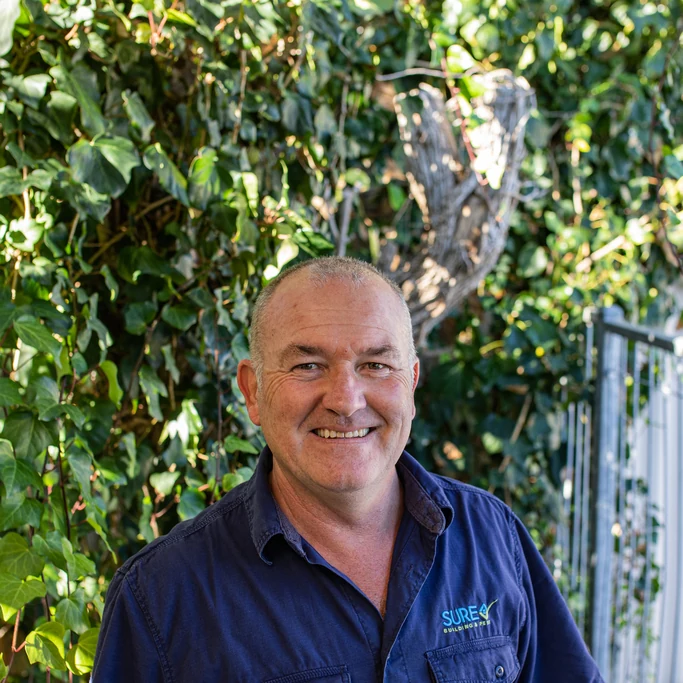
Gary Wilkes inspects South Perth and the wider Perth South territory, covering the river-adjacent southern suburbs from South Perth through Melville, Applecross, and down the southern corridor. River-proximity moisture behaviour, pre-war character homes, and postwar double-brick stock are central to his work in the 6151 postcode. - Territory: Perth South - Experience: 15+ years residential and commercial - Specialisations: River-adjacent alluvial soil moisture, pre-war character home assessment, postwar double-brick maintenance cycles - Direct line: 1300 787 327 Gary typically responds within 2 hours on business days.
Local risks in South Perth
South Perth sits directly across the Swan River from the Perth CBD, and its settlement history stretches back to the 1830s. The current housing stock spans three overlapping eras: pre-war character homes from the 1930s and 1940s concentrated near the river foreshore, postwar double-brick family houses from the 1950s and 1960s filling the residential grid further back, and a growing layer of apartment buildings along Mill Point Road and the foreshore since the 1990s. Each era carries a distinct defect profile, and the river-adjacent alluvial loam and clay substrate introduces a moisture dimension that purely sandy inland suburbs do not have. In South Perth, we see a lot of: - Rising damp and moisture ingress in older homes: pre-war and early postwar double-brick homes near the foreshore sit on alluvial loam and clay that retains seasonal moisture far longer than the sand further inland. Rising damp through unreinforced brick walls and failed sub-floor ventilation in suspended timber floors are consistent findings. Damp-course installation or sub-floor ventilation upgrade: $3,500–$9,000 depending on dwelling footprint. - Termite risk from riverside environment: the established tree canopy, moisture-retaining alluvial soil, and timber-framed sub-floor construction in older homes create favourable conditions for subterranean termites. Concealed slab edges and high environmental termite risk both carry elevated severity scores in South Perth reports. Chemical barrier and timber assessment: $2,800–$5,500. - Outdated plumbing infrastructure in older stock: original galvanised steel water supply pipes in pre-war and early postwar homes corrode from the inside over decades, reducing flow and eventually failing at joints. Replacing original galvanised supply pipework with copper or PEX: $6,000–$14,000 depending on dwelling size and access. Apartment inspections in South Perth focus on building envelope waterproofing, balcony drainage, and inter-tenancy wall acoustic and fire compliance, different scope entirely from the standalone house stock. A strata records review is strongly recommended alongside any apartment inspection.
Common issues in South Perth
Inspecting
South Perth homes
Every SURE inspection in South Perth covers structural, moisture, roof, drainage, and timber pest scope. South Perth's DefectIndex shows two dominant termite-risk findings: concealed slab edges and high termite risk due to environmental surrounds, both carrying elevated severity scores. The suburb's mix of Bassendean sand and river-adjacent alluvial loam means moisture behaviour varies significantly between properties. Character homes from the 1930s and 1940s are inspected for rising damp through unreinforced brick, failed sub-floor ventilation, and original plumbing. Postwar double-brick homes receive close attention to slab edges, downpipe connections, and roof bedding that is now 50 to 70 years old. Apartment inspections focus on building envelope waterproofing and balcony drainage.
DefectIndex
SURE has indexed 30 defects across 42 inspections in the Perth region. That data underlies every finding we report in South Perth.
South Perth and surrounding suburbs
Tiles © Esri · Esri, HERE, Garmin, © OpenStreetMap contributors, and the GIS user community
Questions we hear about South Perth
Is a building inspection worth it for a premium suburb like South Perth?
Especially so. The higher the purchase price, the more costly it is to discover defects after settlement. South Perth's mix of pre-war character homes, postwar double-brick houses, and modern apartments means each property type carries different risks, and the 12 months FREE advice that comes with every SURE inspection means you have ongoing support through the first year of ownership.
Why does South Perth have elevated termite risk?
South Perth's riverside location and established tree canopy create the moisture-rich, timber-rich environment that subterranean termites prefer. Our DefectIndex shows both concealed slab edges and high termite risk due to environmental surrounds as the leading findings here. Concealed slab edges are where garden beds, render, or mulch has been allowed to cover the footing perimeter, removing the inspection gap that termite management systems rely on.
What specific issues affect older South Perth homes?
Pre-war and early postwar homes in South Perth are susceptible to rising damp through unreinforced brick walls, failed sub-floor ventilation in suspended timber floors, and original galvanised plumbing that corrodes from the inside. These are not automatically material concerns, but they need accurate scoping so you know the cost before exchanging contracts.
How fast is the report and what happens if defects are found?
Reports are usually delivered the same day as the inspection, subject to access and availability, typically by evening. Every report includes photos, severity ratings, and plain-English explanations. If defects are flagged, you receive 12 months FREE advice from your inspector to help you decide whether to negotiate on price, request repairs, or re-inspect after remediation.
Who inspects South Perth properties?
Gary Wilkes covers South Perth and the wider Perth South territory. Gary holds CPPHON4013 and CPPUPM3008 and brings 15 years of residential and commercial building experience including familiarity with South Perth's character homes, postwar brick stock, and riverside soil conditions. Every South Perth booking routes directly to Gary.
What are the most common building defects found in South Perth?
Based on an indicative sample of 42 SURE inspections carried out in South Perth, the most common defects we identify are: External Wall Cracking due to Settlement, Slab Edge Concealed by Soil, Paving, or Raised Garden Beds, Trees in Close Proximity to Dwelling, Mulch and Garden Beds Against House, Outdated Termite Treatment Barrier.
Are termite or timber pest concerns common in South Perth?
Yes. Across 42 inspections in South Perth, the most common timber-pest findings include Slab Edge Concealed by Soil, Paving, or Raised Garden Beds, Mulch and Garden Beds Against House, Outdated Termite Treatment Barrier. We recommend a timber-pest inspection alongside any pre-purchase building inspection here.
What structural issues are typical for homes in South Perth?
Common structural findings we record in South Perth include External Wall Cracking due to Settlement, Obstructed Roof Void due to Insulation, Timber Fungal Decay (Rot) in Fascia and Barge Boards. Each finding is reported alongside remedy recommendations and covered by 12 months free advice.
Is moisture a concern in South Perth homes?
Excessive Moisture Readings are among the moisture-related findings recorded across 42 inspections in South Perth. Our inspectors use moisture-meter readings to quantify any issue they detect.
Book an inspection
in South Perth
More areas near South Perth
Real defects our inspectors have flagged
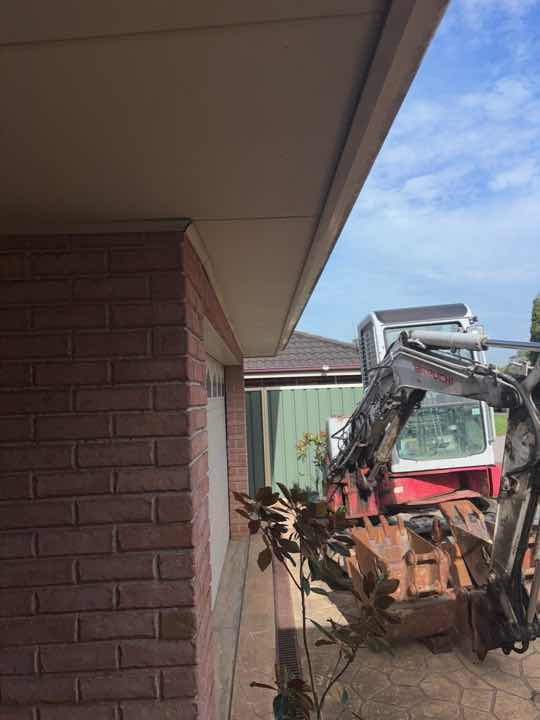
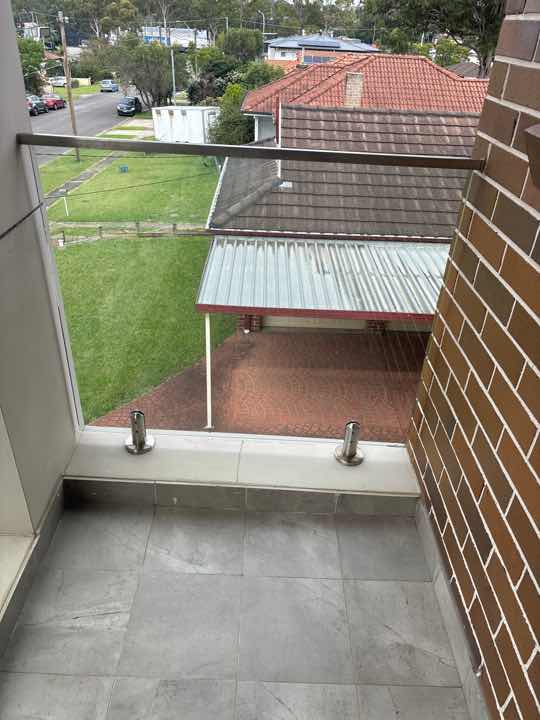
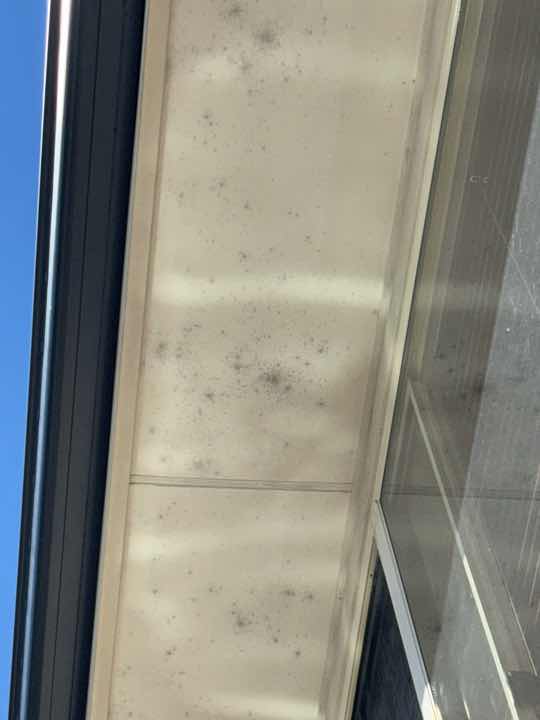
Built to last. Inspected to be SURE.
One inspection, twelve months of advice, and the same person on the other end of the phone every time you call. That is the part you do not see on the brochure.
9,237 inspections · 242,618 defects found · Inspector-owned franchises
Your free area report
Get your free area report in 30 seconds
A suburb-specific PDF with defect profiles from real SURE inspections in South Perth, price trends, school data, and era-aware inspection guidance, emailed within two minutes. Just 4 fields.
- Defect profile: top issues found in real SURE inspections in South Perth.
- Price trends & school data: local context to inform your decision.
- No paywall. No commitment. Just 4 fields, 30 seconds.