
Building Inspections in Melville, Perth

Stock profile · ABS 2021 Census
What’s here in Melville
- Separate houses
- 78.0%
- Semi-detached / townhouse
- 19.0%
- Flats & apartments
- 3.4%
2,296 occupied private dwellings
Local profile · ABS 2021 Census
Who lives in Melville
- Median age
- 42yrs
How Melville
was built
Melville's name comes from Melville Water, the stretch of the Swan River that Captain James Stirling named in 1827 when he surveyed the river. Settlement was slow through the 19th century, hampered by the swampy foreshore and the suburb's isolation from Perth town. Growth reached roughly 2,000 residents by 1913, then stalled again until the post-war period. A small pocket along Canning Highway was opened for development in the 1920s, but the main residential wave came from 1953 onward when the suburb was formally developed and Perth's southern expansion accelerated. A significant land reclamation project along the Swan River foreshore in the 1960s opened new lots close to the water. Melville was declared a Town in 1962 and a City in 1968, reflecting how quickly it had grown from a rural fringe to a fully serviced municipality. The suburb today reads as two distinct eras: the original postwar double-brick homes on generous lots, and a more recent layer of townhouse and medium-density infill concentrated near Canning Bridge, the river foreshore, and Canning Highway. The City of Melville local government area takes its name from this suburb and is headquartered here.
What makes Melville worth it
-
Canning Bridge station for a fast CBD commute
Canning Bridge station on the Mandurah Line is about three minutes north by car or a walkable distance for some parts of the suburb, providing a direct 20-minute rail connection to Perth CBD.
-
Swan River foreshore access
The western edge of Melville backs onto the Swan River foreshore reserve. Riverside parks, cycle paths, and foreshore walks are accessible without leaving the suburb.
-
Westfield Booragoon as the retail hub
Garden City shopping centre is Melville's primary retail destination and one of Perth's largest, covering major department stores, dining, and a cinema complex within the City of Melville boundary.
-
Large original lots with subdivision potential
Postwar blocks in Melville are typically 700 to 900 square metres, and the proximity to Canning Bridge and the river means many carry R-code density overlays that support duplex or grouped dwelling development.
-
Proximity to Applecross and Como without the price premium
Melville sits adjacent to two of Perth's most sought-after river suburbs. Buyers who want river proximity and Canning Bridge rail access at a lower entry point than Applecross or Como find Melville a practical alternative.
-
Established community and local government services
The City of Melville is headquartered in the suburb, meaning council services, parks maintenance, and infrastructure investment are consistently directed at the local area.
Top defects in Melville
Five issues we find most.
From 23 SURE inspections in Melville. Each defect is anonymous. No property is identified.
16 defect types indexed across 23 inspections
Meet Gary Wilkes
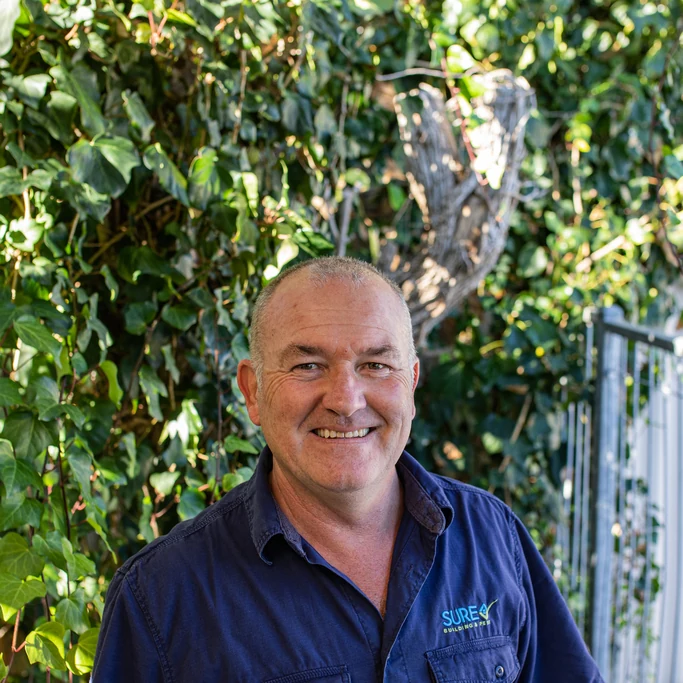
Gary covers Melville and the wider Perth South corridor, including South Perth, Applecross, and the 6156 postcode. His Melville focus is the postwar double-brick stock on reactive clay subsoils that increase toward the Swan River foreshore, external wall cracking from settlement is the primary finding here, and his experience spans the full 1920s-to-present era mix that Melville carries. - Territory: Perth South - Experience: 15+ years - Specialisations: Postwar double-brick inspection, river-proximity reactive clay, ageing mortar and drainage systems - Direct line: 1300 787 327 Gary typically responds within 2 hours on business days.
Local risks in Melville
Melville is an established inner-south suburb on Swan Coastal Plain sands over alluvial clay, with reactive clay subsoils increasing toward the Swan River foreshore. The 20-report dataset spans post-war double-brick through to post-2000 townhouse infill near the river and Canning Highway corridor. In Melville, we regularly see: - External wall cracking from slab settlement: the primary finding across our Melville dataset, reflecting the reactive clay sub-base that becomes more pronounced toward the foreshore. Postwar blocks are 700–900m² on reactive alluvial clay, and the combination of slab age, mature garden trees, and downpipe connections that direct water toward the footing drives the settlement pattern. - River-proximity moisture tracking and rising damp: properties close to the Swan River foreshore carry elevated subsoil moisture through winter. Moisture meter readings in the 24–30% range on ground-level masonry are common on pre-1970 stock within two blocks of the reserve. Lateral moisture migration from aged brick mortar into adjacent internal walls is a documented finding pattern. - Ageing brick mortar joints and drainage systems: postwar Melville homes are now 55–70 years old. Original mortar on double-brick elevations exposed to western winter winds shows friable joints on the outer course. Outdated drainage systems that predate modern stormwater infrastructure are common, particularly on the original estate-era lots that have not been renovated.
Common issues in Melville
Inspecting
Melville homes
Every SURE inspection in Melville covers structural, moisture, roof, drainage, and timber pest scope. The primary finding in our Melville DefectIndex data is external wall cracking due to settlement, which reflects the reactive clay subsoils that increase toward the Swan River foreshore. Clay-rich soils expand and contract with seasonal moisture changes, which drives differential movement in slabs and footings over time. The inspection pays close attention to crack width and pattern to distinguish normal seasonal movement from structural concern, and checks drainage and downpipe connections that, if poorly managed, exacerbate clay soil movement by concentrating moisture at the footings.
DefectIndex
SURE has indexed 16 defects across 23 inspections in the Perth region. That data underlies every finding we report in Melville.
Melville and surrounding suburbs
Tiles © Esri · Esri, HERE, Garmin, © OpenStreetMap contributors, and the GIS user community
Questions we hear about Melville
Is a building inspection worth it for a 1960s or 1970s Melville home?
Yes. Postwar Melville homes are now 50 to 70 years old, placing original roofing, plumbing, electrical wiring, and subfloor framing in the range where issues become expensive if left until they fail. The 12 months FREE advice that comes with every SURE inspection covers you through the first year of ownership when most surprises surface.
How do the clay soils near the Swan River affect Melville properties?
Reactive clay soils expand when wet and contract when dry, which drives differential movement in concrete slabs and brick footings over time. The result is diagonal cracking from window and door corners, mortar joint failures, and in some cases visible slab lift or drop at section joints. External wall cracking due to settlement is the most common finding in our Melville reports. The inspection assesses crack width, pattern, and consistency to determine severity.
What moisture risks apply to Melville properties near the river?
Properties close to the Swan River foreshore can have elevated subsoil moisture, particularly in winter. Combined with clay soils that retain water, this increases the risk of moisture tracking into subfloor spaces, rising damp in older brickwork, and fungal decay in any timber framing in contact with the ground. Moisture meter testing is standard on every SURE inspection.
How quickly is the report delivered and what follow-up support is included?
Same-day delivery is usually available subject to access and availability. Your full PDF report with photos, severity ratings, and plain-English explanations arrives the evening of the inspection. Every finding comes with 12 months FREE advice from your inspector.
Who inspects Melville properties?
Gary Wilkes covers Melville and the wider Perth South franchise territory. Gary holds CPPHON4013 and CPPUPM3008 and has over 15 years of residential and commercial building experience, including solid familiarity with the postwar double-brick construction patterns and clay soil movement issues common along the Swan River corridor.
What are the most common building defects found in Melville?
Based on an indicative sample of 23 SURE inspections carried out in Melville, the most common defects we identify are: External Wall Cracking due to Settlement, External Door Paint Deterioration, Bedroom 2 Ceiling/Cornice Join Crack, Deteriorated Splashback Sealant, Timber Fungal Decay (Rot) in Fascia and Barge Boards.
Are termite or timber pest concerns common in Melville?
Yes. Across 23 inspections in Melville, the most common timber-pest findings include Mulch and Garden Beds Against House. We recommend a timber-pest inspection alongside any pre-purchase building inspection here.
What structural issues are typical for homes in Melville?
Common structural findings we record in Melville include External Wall Cracking due to Settlement, Timber Fungal Decay (Rot) in Fascia and Barge Boards, Chemical Delignification of Roof Frame. Each finding is reported alongside remedy recommendations and covered by 12 months free advice.
Is moisture a concern in Melville homes?
Deteriorated Splashback Sealant are among the moisture-related findings recorded across 23 inspections in Melville. Our inspectors use moisture-meter readings to quantify any issue they detect.
Book an inspection
in Melville
More areas near Melville
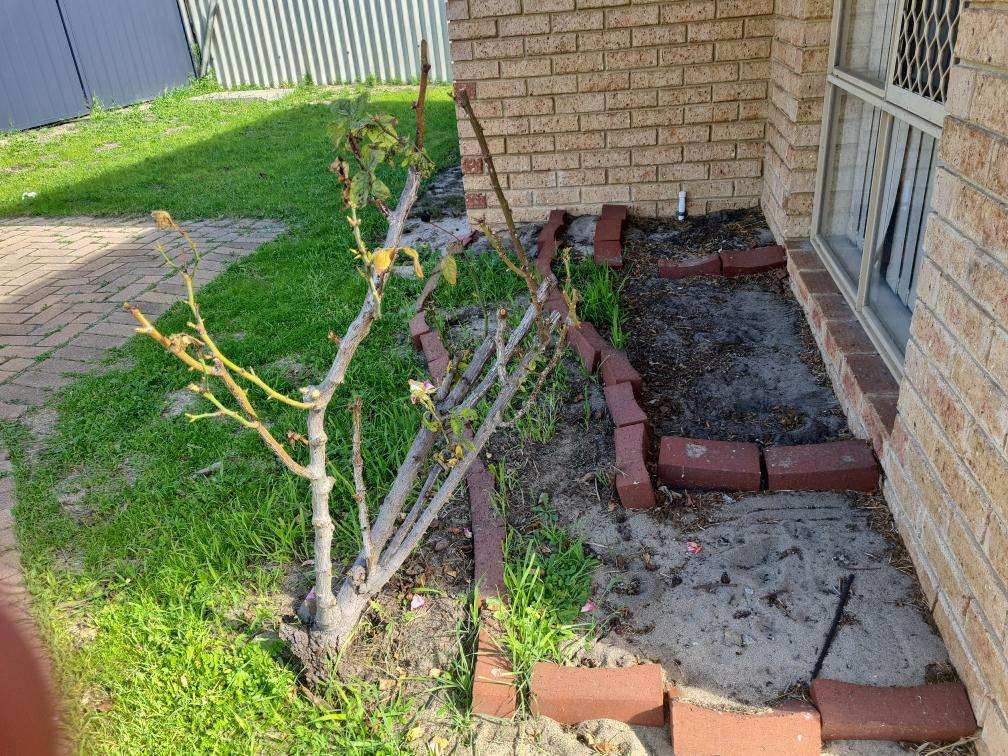
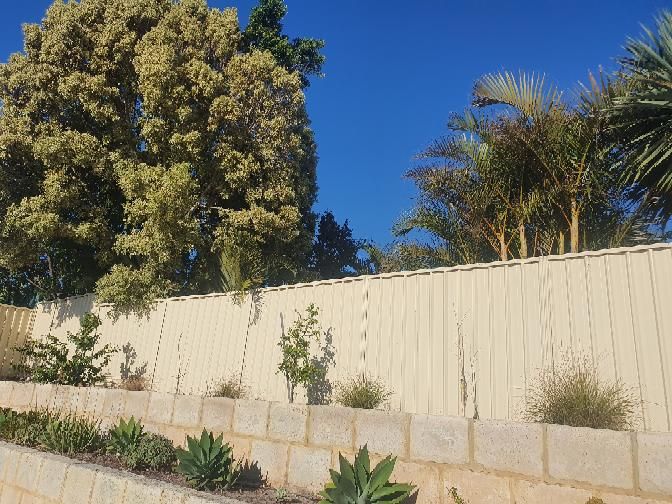
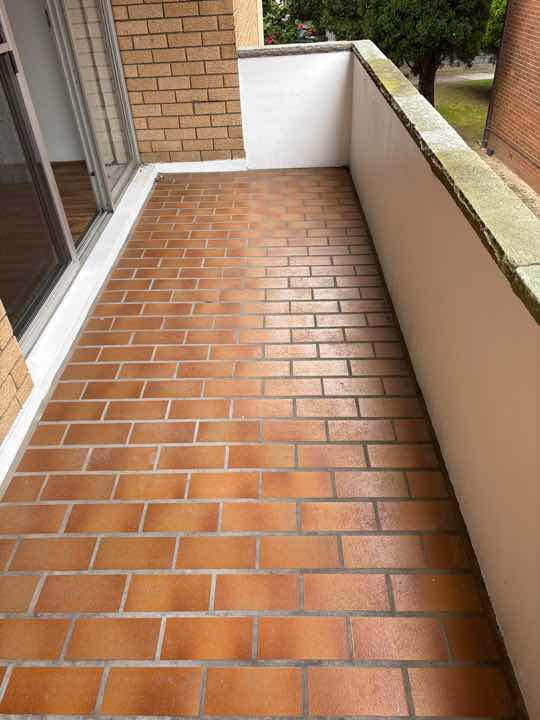
Real defects our inspectors have flagged
Built to last. Inspected to be SURE.
One inspection, twelve months of advice, and the same person on the other end of the phone every time you call. That is the part you do not see on the brochure.
9,237 inspections · 242,618 defects found · Inspector-owned franchises
Your free area report
Get your free area report in 30 seconds
A suburb-specific PDF with defect profiles from real SURE inspections in Melville, price trends, school data, and era-aware inspection guidance, emailed within two minutes. Just 4 fields.
- Defect profile: top issues found in real SURE inspections in Melville.
- Price trends & school data: local context to inform your decision.
- No paywall. No commitment. Just 4 fields, 30 seconds.