
Building Inspections in Joondanna, Perth
Stock profile · ABS 2021 Census
What’s here in Joondanna
- Separate houses
- 43.4%
- Semi-detached / townhouse
- 46.2%
- Flats & apartments
- 10.6%
2,442 occupied private dwellings
Local profile · ABS 2021 Census
Who lives in Joondanna
- Median age
- 37yrs
How Joondanna
was built
Joondanna was developed from the late 1940s through the 1960s as part of Perth's early post-war northern expansion alongside Tuart Hill and Yokine, originally as single-storey bungalows and brick-and-tile cottages on quarter-acre lots. Through the 1970s to 2000s much of that stock was infilled or replaced with single-storey brick-veneer on concrete slabs, timber-framed pitched roofs under concrete tile, and aluminium-framed windows. Post-2000 has brought a steady layer of townhouse, duplex, and two-storey rebuild activity, particularly along the Main Street and Walcott Street corridors. Our data pack shows the 1970-2000 era at 13 reports, 2000-present at 11, and pre-1970 at 8, so three construction eras are represented side by side. Brick-veneer (8 reports) dominates the material mix alongside concrete-tile roofs (7) and hardwood and timber frames (5 each), with a small double-brick signature (4 reports) from the older bungalow stock. Joondanna sits inside the 6060 postcode between Tuart Hill and Yokine, close enough to the Perth CBD for a strong owner-occupier market and with a meaningful rental pool along the Main Street frontage.
What makes Joondanna worth it
-
Seven kilometres from the Perth CBD
Joondanna sits roughly 7km from the Perth CBD along Main Street and Walcott Street, close enough for a short commute without inner-city prices.
-
Main Street retail and cafe strip
Main Street runs through Joondanna as an established mixed-use retail and hospitality strip shared with Tuart Hill, giving residents cafes and specialty retail without driving to a major centre.
-
Mitchell Freeway access both directions
Freeway on-ramps at Walcott Street and Hutton Street mean the CBD to the south and Joondalup to the north are both within straightforward drives from Joondanna.
-
Three eras of stock side by side
Original 1950s-60s bungalows, 1980s-90s brick-veneer, and post-2000 townhouses and rebuilds sit together on most streets, which gives buyers a wide price-point range.
-
Generous inner-ring lot sizes
Many Joondanna lots are 700-900m² with rear-lane access - rare this close to the CBD - which has supported subdivide-and-retain activity through the last two decades.
-
Established verge trees and mature gardens
Most Joondanna streets have been settled for sixty years or more, so verges and gardens are fully mature - the catch is trees planted within root-reach of older footings, which is what our inspectors check.
Top defects in Joondanna
Five issues we find most.
From 33 SURE inspections in Joondanna. Each defect is anonymous. No property is identified.
30 defect types indexed across 33 inspections
Meet Kim Steele

Kim Steele inspects Joondanna and the wider inner-ring northern corridor from North Perth through to Tuart Hill and Yokine. Mixed-era settlement on reactive sand-plain geology, elevated asbestos severity on pre-1970 bungalow stock, and dense termite pressure from established gardens are what define his work in the 6060 postcode. - Territory: Perth North - Experience: 10+ years - Specialisations: Reactive sand-plain settlement, asbestos-cement assessment on pre-1970 bungalows, termite risk on inner-ring established lots - Direct line: 1300 787 327 Kim typically responds within 2 hours on business days.
Local risks in Joondanna
Joondanna was built out from the late 1940s as part of Perth's early post-war northern expansion, and the inspection data shows three genuine construction eras sitting side by side on the same streets. Original 1950s-60s bungalows and brick-and-tile cottages on quarter-acre lots sit beside 1970s-90s brick-veneer infill and post-2000 townhouse and duplex rebuilds along the Main Street and Walcott Street corridors. The geology underneath all three eras is consistent: Bassendean Sand over reactive clay lenses. The sandy surface drains quickly, but the clay sub-base swells with winter rain and contracts in summer, and the slabs and frames respond accordingly. External wall cracking from settlement flags in 67% of our Joondanna reports, one of the higher settlement rates in our inner-ring northern dataset. Trees in close proximity to the dwelling flag in 63% of reports, which directly reflects the suburb's sixty-plus years of garden maturity. Concealed slab edges flag in 50% of reports at an average severity of 3.5 out of 5, the highest severity score in the dataset, and termite-category findings appear across 27 of our 30 reports at an average severity of 3.2. The most distinctive finding in Joondanna is the asbestos category average of 4.3 out of 5 severity, the highest category average across the full dataset. Original fibro eaves, asbestos-cement sheeting on sub-floor cladding and external walls, and asbestos-containing roof sheets are all present on the pre-1970 bungalow layer. Intact and non-friable asbestos is manageable, but it needs to be documented before purchase so a buyer understands the scope of any future renovation or demolition. Excess moisture in walls adjacent to wet areas flags in 23% of our reports at severity 3.7, the highest individual finding severity in the dataset, indicating that moisture from wet-area waterproofing failures is a serious and recurring issue on the suburb's renovated stock.
Common issues in Joondanna
Inspecting
Joondanna homes
Every SURE inspection in Joondanna covers the standard structural, moisture, roof, drainage, and timber pest scope. What changes is where we spend the extra time. We have 30 inspection reports behind this page and the findings pattern is consistent with a mixed-era inner-ring suburb on reactive sand plain. External wall cracking from settlement shows up in 67% of Joondanna reports, trees in close proximity to the dwelling in 63%, and concealed slab edges in 50% - the classic signature of frame-and-footing movement responding to seasonal moisture and tree-root drawdown, with concealed slab edges also hiding the termite entry path that the mixed brick-veneer and double-brick stock here is vulnerable to. Concealed slab edges run an average severity of 3.5 out of 5 - the highest severity score of any recurring finding in the dataset. Bedroom 2 ceiling/cornice joint cracks flag in 43%, and undrained air-conditioner overflows in 37% at severity 2.6. Termite-category findings are recorded across 27 of our 30 reports at average severity 3.2, with mulch and garden beds against the house at 33% (severity 2.7) and concealed internal wall areas at termite risk at 27% (severity 3.0). Moisture meter testing matters: excess moisture in walls adjacent to wet areas flags in 23% at severity 3.7, the highest severity score among the top defects, and inadequate surface-water drainage in 23% at severity 3.1. On pre-1970 double-brick and bungalow stock we pay extra attention to asbestos-containing materials (the asbestos category averages 4.3 severity in the pack - the highest category average in the dataset) and dated electrical wiring. On post-2000 rebuilds we focus on slab-edge exposure, air-conditioner overflow routing, and stormwater diversion.
DefectIndex
SURE has indexed 30 defects across 33 inspections in the Perth region. That data underlies every finding we report in Joondanna.
Joondanna and surrounding suburbs
Tiles © Esri · Esri, HERE, Garmin, © OpenStreetMap contributors, and the GIS user community
Questions we hear about Joondanna
My Joondanna home has original fibro eaves - how concerning is that?
It warrants careful inspection. Our Joondanna data shows the asbestos category averaging 4.3 out of 5 severity - the highest category average in the pack. Intact and painted asbestos materials are usually manageable, but it is important to know what you are buying and what the priority repair pathway is. That is what our inspector documents.
What does the Bassendean Sand over clay mean for my inspection?
The sandy topsoil drains quickly, which is why Joondanna gardens look healthy, but under the sand sits reactive clay that swells with moisture and shrinks in drought. That is what drives the 67% external wall cracking finding in our Joondanna dataset. The fix is about slab-edge exposure, trees within root-reach of the footings, and stormwater directed away from the slab - all three are things our inspector checks specifically.
Is termite pressure high in Joondanna?
Yes. Termite-category findings appear across 27 of our 30 Joondanna reports at average severity 3.2/5. Concealed slab edges flag in 50% of reports (severity 3.5), mulch and garden beds against the house in 33% (severity 2.7), and concealed internal wall areas at termite risk in 27% (severity 3.0). None alone are a material concern, but together they build up termite entry risk that a pre-purchase inspection is designed to catch.
How fast is the report and what happens if you find defects?
Same-day reports are usually available subject to access and availability. You get the full PDF the evening of the inspection, with photos, severity ratings, and plain-English explanations of what each defect means. If anything is flagged, you also get 12 months FREE advice from your inspector to help you decide whether to negotiate, re-inspect after repair, or plan your next step.
Who inspects Joondanna properties?
Kim Steele covers Joondanna and the wider Perth northern and north-eastern corridor. Kim holds CPPHON4013 and CPPUPM3008, has more than a decade of residential building experience, and knows the mixed-era settlement, moisture, and asbestos patterns that dominate the 6060 postcode. Every Joondanna booking routes directly to Kim rather than a rotating pool of contractors.
What are the most common building defects found in Joondanna?
Based on an indicative sample of 33 SURE inspections carried out in Joondanna, the most common defects we identify are: External Wall Cracking due to Settlement, Trees in Close Proximity to Dwelling, Slab Edge Concealed by Soil, Paving, or Raised Garden Beds, Cracked Roof Mortar, Undrained Air Conditioner Overflow.
Are termite or timber pest concerns common in Joondanna?
Yes. Across 33 inspections in Joondanna, the most common timber-pest findings include Slab Edge Concealed by Soil, Paving, or Raised Garden Beds, Mulch and Garden Beds Against House, Timber in Contact with Ground. We recommend a timber-pest inspection alongside any pre-purchase building inspection here.
What structural issues are typical for homes in Joondanna?
Common structural findings we record in Joondanna include External Wall Cracking due to Settlement, Aged Roof Framing Timbers, Obstructed Roof Void due to Insulation. Each finding is reported alongside remedy recommendations and covered by 12 months free advice.
Is moisture a concern in Joondanna homes?
Excess Moisture in Walls Adjacent to Wet Areas and Excessive Moisture Readings are among the moisture-related findings recorded across 33 inspections in Joondanna. Our inspectors use moisture-meter readings to quantify any issue they detect.
Book an inspection
in Joondanna
More areas near Joondanna
Real defects our inspectors have flagged
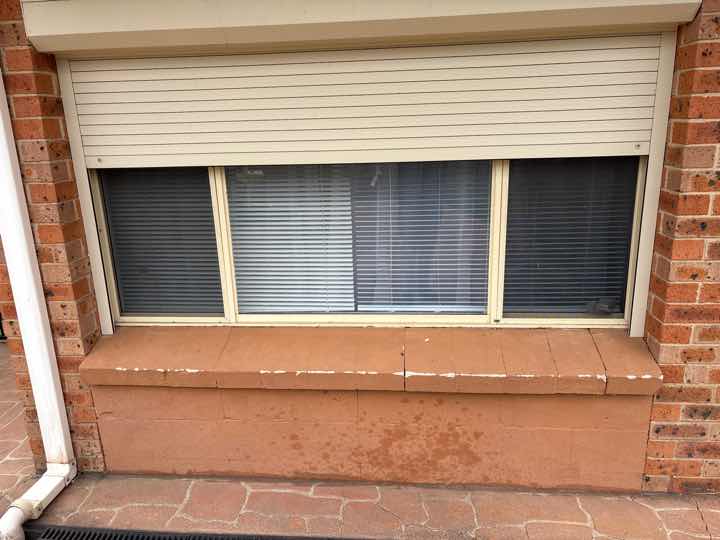
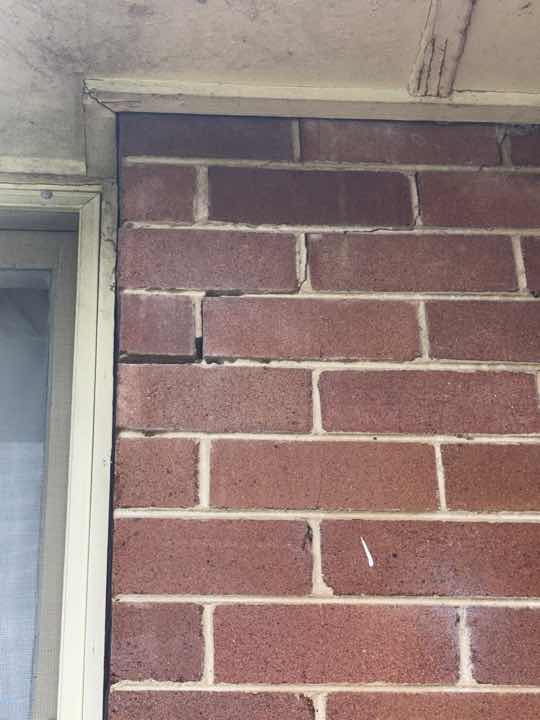
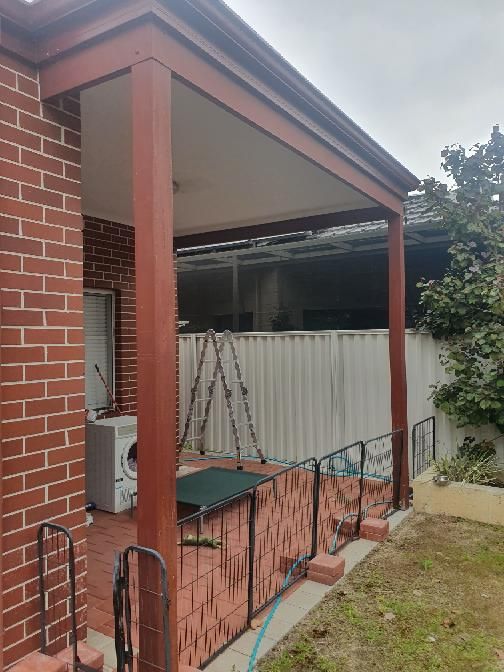
Built to last. Inspected to be SURE.
One inspection, twelve months of advice, and the same person on the other end of the phone every time you call. That is the part you do not see on the brochure.
9,237 inspections · 242,618 defects found · Inspector-owned franchises
Your free area report
Get your free area report in 30 seconds
A suburb-specific PDF with defect profiles from real SURE inspections in Joondanna, price trends, school data, and era-aware inspection guidance, emailed within two minutes. Just 4 fields.
- Defect profile: top issues found in real SURE inspections in Joondanna.
- Price trends & school data: local context to inform your decision.
- No paywall. No commitment. Just 4 fields, 30 seconds.